Getting clicks is nice.
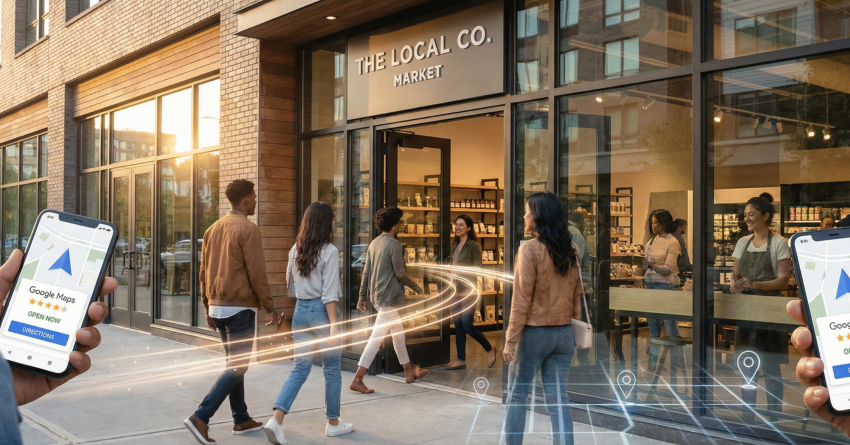
Getting people actually walking into your store is what pays the bills.
In 2026, smart local brands use local SEO + Google Maps + Google Business Profile (GBP) + smart offers to turn online searches into real-world foot traffic and sales not just “website visits.” Google Business+2Google Business+2
This blueprint shows you exactly how to do that, plus how White Label SEO Service helps agencies package this as a white-label service their local clients love.
Want a done-for-you “Foot Traffic Growth Blueprint” for your clients?
Book a free strategy call with White Label SEO Service and walk away with a 90-day local SEO + foot traffic plan you can resell under your own brand.
The White Label Local SEO Space: Strong Rankings, Weak Foot Traffic Focus
Recent 2025–2026 reviews of white label local SEO reseller programs highlight providers like AgencyPlatform, Boostability, SEOReseller, DashClicks, Vendasta, BrightLocal and others
Most of them emphasize:
- Local SEO packages (citations, on-page SEO, link building)
- Google Business Profile setup and optimization
- Local rank tracking and white-label reporting dashboards
- Reputation and listing management for agencies
They are good at:
- Getting better map rankings
- Adding local citations
- Showing impressions and calls in reports
The Gap: Offline Results, Not Just Online Rankings
What’s usually missing in their offers and case studies:
- Clear frameworks for foot traffic growth, not just “ranking growth”
- Deep use of store visits, GBP Insights, and Popular Times to measure real-world impac tMap Labs+3Google Help+3Center AI+3
- Blended strategies using Performance Max for store goals + GBP + local content to drive in-store visits, not just website visits
This is where White Label SEO Service can stand out as the partner that focuses on:
“More people through the door not just more blue lines on a ranking chart.”
What “Foot Traffic Growth” Really Means (Beyond Clicks)
H3: Simple Definition
Foot traffic is the number of people who physically visit your location.
For local SEO, the goal is to turn:
Searches → views → clicks → direction requests → store visits → sales
Think of tools like:
- Google Maps and GBP Popular Times (when you’re busiest)
- GBP Insights (calls, website clicks, direction requests) Google Help+1
- Google Ads Store Visits (estimated in-store visits from campaigns) Google Help+1
These are all Google entities that help you track and grow offline results.
H3: Why Local SEO Is the Engine Behind Foot Traffic
Local search ranking factor studies (Whitespark, Moz, Local SEO blogs) still point to:
- Relevance, proximity, and prominence as the big 3 input signals Google Help+4BrightLocal+4Local Falcon+4
- Heavy weight on on-page SEO, GBP optimization, links, and reviews
If you want more people in your store, you first need more people:
- Seeing your listing in the map pack
- Tapping “Call” and “Directions”
- Visiting your location after seeing an offer or promotion
Step 1 Make Your Google Business Profile a Foot-Traffic Magnet
Your Google Business Profile is your digital storefront. If it’s empty or weak, people will scroll past you.
H3: Complete and Optimize Your Profile
Google’s own help docs are very clear: listings with complete, accurate info are more likely to show up and get chosen. Google Help+1
H4: Non-Negotiables for Foot Traffic
Make sure you:
- Use the correct primary category (e.g., “Pizza restaurant,” “Furniture store,” “Hardware store”)
- Add secondary categories that match your other services
- Keep hours, address, and phone updated (including holiday hours)
- Add attributes like “wheelchair accessible,” “parking,” “family-friendly” when they apply Google Help+1
H4: Visual Storytelling
Upload:
- Exterior shots (so people recognize the place from the street)
- Interior shots (clean, welcoming, well-lit)
- Product or service photos (menu items, displays, before/after work)
This builds trust and sets expectations before someone even leaves home.
H3: Use Posts and Promotions to Drive Visits
According to Google and industry guides, you can use GBP to share:
- Special in-store promotions
- Limited-time sales
- New product drops
- Event announcements
These posts give people a reason to visit today, not “someday.”
Step 2 Turn “Near Me” Searches into Direction Requests
Your real win is when someone taps “Directions”. That’s high intent to visit.
GBP Insights and analytics platforms note that direction requests strongly correlate with actual store visits and sales.
H3: Optimize for “Near Me” and Local Intent
H4: On-Page SEO for Local Pages
Create / improve pages like:
- “Coffee Shop in [Neighborhood]”
- “Sporting Goods Store in [City, State]”
Use:
- A clear H1 (“Coffee Shop in Downtown Austin, TX”)
- Short sections on location, parking, hours, popular products
- Embedded Google Map and click-to-call buttons
Google uses on-page signals + GBP + proximity to decide who appears first. Local Dominator+3Whitespark+3Moz+3
H4: Local Keywords and NLP Terms
Sprinkle natural phrases like:
- “near [landmark]”
- “walking distance from [mall/transit]”
- “[service] near me in [city]”
This helps with semantic search and voice queries like “Hey Google, coffee shop near me.” Moz+2LinkedIn+2
Want us to turn your website + GBP into a “Directions-Generating Machine”?
White Label SEO Service can rebuild local pages, schema, and GBP content so more people tap “Directions” and actually show up.
Step 3 Use Offers, Events, and “Reasons to Visit Now”
Local SEO gets you seen. Offers and events get people to act.
H3: Tie Promotions to Local Search
Think With Google recommends promoting store openings, in-store promotions, updated hours, and available inventory to drive foot traffic. Google Business+1
H4: Where to Feature Offers
- GBP Posts (“20% off lunch today 11am–2pm”)
- Local landing pages (“In-Store Only Specials”)
- Performance Max campaigns with store visit goals Google Business+2Google Help+2
H4: Make It Time-Bound and Clear
- “Today only” or “This weekend”
- “Show this post at checkout”
- “Scan QR code at the counter”
This also helps you track impact (how many people came because of your online promotion).
Step 4 Turn Reviews into Foot Traffic Fuel
People check reviews before committing to a place, especially for food, beauty, healthcare, and home services.
H3: Reviews as Social Proof and Ranking Help
Review volume, rating, and keywords mentioned can influence both:
- Prominence (how “popular” you look to Google)
- Human trust (“Is this place worth driving to?”) Google Help+3linkgraph.com+3Local Falcon+3
H4: Build a Simple, Always-On Review System
- Ask every happy customer (in-store, by email, or SMS)
- Use short links or QR codes to your GBP
- Ask them to mention the specific service or product they bought
H4: Respond Like a Human
E-E-A-T best practices say to show real care and experience:
- Thank people for good reviews
- Calmly address bad ones and offer help
- Avoid copy-and-paste replies Google Help+2Delivix+2
Reviews are seen before people ever see your store railings or window signs.
Step 5 Track Foot Traffic with Google Tools (Not Just Guesswork)
To improve foot traffic, you have to measure it.
H3: GBP Insights & Google Maps Popular Times
Tools like GBP Insights and Google Maps Popular Times show:
- When your location is busiest
- How many people request directions
- How many calls and website visits come from your listing
You can use this to:
- Plan staff schedules and in-store offers
- Choose the best times to run “visit now” campaigns
H3: GA4 and Store Visit Conversions
Google Analytics 4 (GA4) tracks:
- Organic sessions and local landing page visits
- Click-to-call, click-for-directions, and “start navigation” events (if you set them up as conversions) Google Business+2Facebook+2
Google Ads Store Visits (for eligible advertisers) gives estimated in-store visits after people click a local ad. Google Help+1
Together, you get a picture of:
“Which online actions are sending people through the door?”
Step 6 Improve the In-Store Experience (So People Come Back)
Foot traffic doesn’t end at the door. A great in-store experience turns visitors into regulars and reviewers, which then supports better local SEO again a compounding loop.
H3: Experience as a Local E-E-A-T Signal
Shops and service locations with:
- Friendly, helpful staff
- Clean, well-designed spaces
- Clear branding and signage
…tend to get better reviews and word-of-mouth, which feeds both prominence and conversion.
This is the part most SEO-only providers ignore but it matters for offline and online success.
Want a full “online-to-offline” plan, not just more website visits?
White Label SEO Service can connect local SEO, GBP, ads, and in-store experience insights into one Foot Traffic Growth Blueprint for your brand or your agency clients.
Who is This Foot Traffic Growth Blueprint For?
This approach is perfect if you are:
- A digital marketing agency serving local clients (retail, restaurants, clinics, showrooms, auto, etc.)
- A local business owner who wants more people in the door, not just more followers
- A multi-location brand that needs consistent store visits across many cities
- A web/design shop wanting to add an ongoing “Foot Traffic SEO” retainer
If your success depends on people walking in, this blueprint is for you.
Key Takeaways
- Top white label local SEO competitors are strong at GBP, citations, and reporting, but most don’t frame their services directly around foot traffic and store visits. Moz+6Valasys Media+6Agicent+6
- Google’s local algorithm focuses on relevance, proximity, and prominence, heavily influenced by GBP, on-page SEO, links, and reviews. Google Business+5BrightLocal+5Local Falcon+5
- You can drive more foot traffic by using GBP Posts, Performance Max store goals, local pages, and time-bound offers that show up where people search. MapRanks+4Google Business+4Google Business+4
- Tools like GBP Insights, Popular Times, GA4, and Store Visits let you measure how online actions affect in-store visits and revenue.
- White Label SEO Service can package all of this into a white-labeled “Foot Traffic Growth Blueprint” that agencies can sell as a premium local service.
Lessons Learned
- Foot traffic is the real KPI for many local businesses not just rankings or clicks.
- Local SEO, GBP, and Google Maps are powerful when you tie them to offers, reviews, and direction requests.
- Measuring direction taps, Popular Times, and store visits gives you a real picture of what’s working.
- Agencies that can connect online actions to offline visits become trusted long-term partners, not just “SEO vendors.”
FAQs
1. How fast can local SEO impact foot traffic?
You can sometimes see small gains within a few weeks (especially from better GBP info and offers), but most businesses see meaningful, steady improvement in 3–6 months, and strong compounding effects over 6–12 months as rankings, reviews, and brand awareness grow. MapRanks+3Google Business+3linkgraph.com+3
2. Do I need paid ads to grow foot traffic, or is organic local SEO enough?
Organic local SEO plus GBP can drive a lot of foot traffic on its own, especially in less competitive markets. But Google recommends pairing local SEO with Performance Max or local campaigns for store goals if you want to scale faster and reach more “ready-to-visit” customers.
3. How do I know which online actions actually led to visits?
Use:
- GBP Insights (direction requests, calls)
- Google Maps Popular Times / busyness data
- GA4 events (click-to-call, click-for-directions)
- Google Ads Store Visits where available
Match these with sales data and busy times in-store to see patterns.
4. How does White Label SEO Service help agencies grow foot traffic, not just rankings?
We:
- Audit GBP, local pages, reviews, and analytics with a foot traffic lens
- Build optimized local content, schema, offers, and review systems
- Set up GA4 + GBP tracking and, where relevant, Google Ads Store Visit measurement
- Deliver white-labeled reports that show how many people are walking in, not just how many keywords you rank for
All under your agency’s name, so you look like the one delivering the magic.