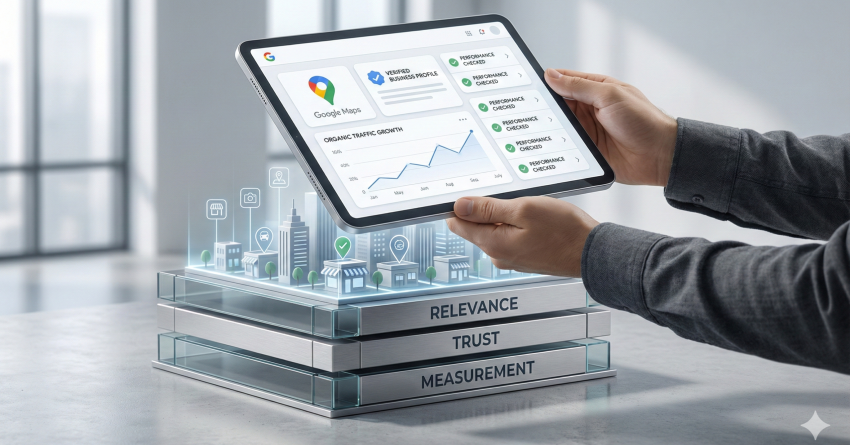
SEO fails when you “guess” first and measure later.
An initial audit stops guesswork and shows the fastest path forward.
Local rankings depend on relevance, distance, and popularity. Google Help
An audit helps you improve relevance and trust signals consistently.
Want a clean audit your clients understand, not a confusing spreadsheet?
White Label SEO Service delivers audits and action plans under your brand.
What top competitors emphasize (and why)
Top competitors lead with audits because audits prove value fast.
Audits create a baseline, clear priorities, and better monthly retention.
Competitors push audit tools and “proof dashboards”
BrightLocal promotes a Google Business Profile audit and competitor benchmarking. BrightLocal+1
They also highlight longer Insights history for stronger performance comparisons. BrightLocal
Whitespark emphasizes taking control of GBP updates and alerts. Whitespark+1
That matters because profiles drift when nobody monitors suggested changes.
Merchynt sells white-label GBP management as a repeatable service.
They package ongoing work so agencies can scale without hiring.
Birdeye sells a reseller platform for listings and reputation workflows.
They position it as an agency growth engine with recurring value.
Gap analysis and new opportunities
Most competitors sell audits, but skip the “next 30 days” plan.
Many audits feel scary, not simple, so clients stall.
Gaps agencies keep running into
Reports show issues, but not impact on calls and revenue.
Many audits miss the exact fixes that improve conversion rate quickly.
Audits often ignore “profile drift” from suggested edits. Whitespark+1
That drift quietly breaks trust and reduces map clicks.
New opportunities for White Label SEO Service
Package audits with a short, proven execution sprint.
Sell “Audit + Fix Week” as your easiest upsell.
Offer “GBP + Website Foundation Audit” in one bundle.
Clients love one plan instead of five disconnected reports.
What an initial audit really does
An audit finds hidden leaks before you spend money.
It sets a baseline, then tracks improvements over time.
It turns “I think” into “I know.”
That makes decisions faster and reporting easier.
What to audit first for local SEO success
Start where customers decide: Maps, profiles, and landing pages.
Then fix technical issues that block crawling and performance.
Audit area #1 Google Business Profile basics
Google says local results rely on relevance, distance, and popularity. Google Help
So your profile needs clear categories, services, and accurate information.
Check these fast:
- Business name, address, phone match everywhere (NAP consistency).
- Primary category matches your real main service and top intent.
Watch for profile drift
Suggested edits can change hours, categories, and details. Whitespark+1
An audit should flag changes before they hurt trust.
Audit area #2 Local visibility and competitors
Competitor analysis shows who wins the local pack and why. BrightLocal
You can’t beat what you don’t measure.
Compare these signals:
- Review volume, rating trends, and response patterns.
- Photos, posts, and profile completeness versus top competitors.
Audit area #3 Website foundations that affect SEO
If the site is slow, users bounce and leads drop.
Speed and stability also shape overall user experience.
Use PageSpeed Insights and Core Web Vitals for reality checks. Google for Developers+1
Lighthouse helps audit performance, accessibility, and SEO issues. Chrome for Developers
Look for:
- Broken pages, redirect chains, and missing titles or headings.
- Thin service pages that don’t answer real questions.
Audit area #4 Tracking and measurement setup
If tracking is wrong, every decision becomes a guess.
You need clear data before you optimize anything.
Search Console shows clicks, impressions, and position trends. Google Help+1
It also helps explain what queries actually drive traffic.
If your SEO feels “random,” your audit is probably missing fundamentals.
White Label SEO Service builds a clear plan with measurable next steps.
The proven initial audit process
A strong audit follows the same steps every time.
That consistency makes results repeatable across clients and industries.
Step 1 Collect facts, not opinions
Pull current data from Search Console and GBP performance. Google Help+1
Capture screenshots and dates so nothing gets “rewritten” later.
Step 2 Score what matters most
Rank issues by impact, not by how interesting they sound.
Fix trust and conversion leaks before chasing long-term projects.
High-impact priorities:
- Wrong NAP, wrong hours, wrong categories.
- Slow pages, broken forms, confusing service pages.
Step 3 Build a 30-day action plan
Every fix should have an owner and deadline.
Every fix should connect to a business outcome.
Example 30-day plan
- Week 1: GBP cleanup, categories, services, and photo refresh.
- Week 2: Landing page upgrades and internal links.
- Week 3: Technical fixes and speed improvements. Google for Developers+1
- Week 4: Review performance, report wins, and plan next month.
Google entities to reference naturally
This work lives inside Google Business Profile, Google Maps, and Google Search. Google Help+1
Search Console validates results through clicks and impressions over time. Google Help
PageSpeed Insights and Lighthouse guide performance improvements and Core Web Vitals. Google for Developers+1
These signals support better user experience and more conversions.
E-E-A-T: Make your audit feel trustworthy
E-E-A-T matters because people need proof, not promises. Google Help+1
A great audit shows experience, expertise, and clean documentation.
Experience
Show before-and-after numbers and screenshots, with dates.
Tell the story: problem, fix, and result.
Expertise
Explain the “why” behind each fix, simply.
Use Google’s guidance for local ranking factors as support. Google Help
Authoritativeness and Trust
Include author and reviewer names and roles.
Document every change so clients feel safe approving edits.
Who this is for
This is for agencies selling SEO and local optimization packages.
It’s also for businesses tired of spending without clarity.
It helps teams managing Google Business Profiles across locations.
It’s perfect for owners who want more calls and bookings.
Key Takeaways
An initial audit creates a baseline and a clear plan.
It prevents wasted work and speeds up early wins.
Local ranking depends on relevance, distance, and popularity. Google Help
Audits improve relevance by fixing clarity, accuracy, and trust signals.
Lessons learned
Most SEO “problems” are foundation problems in disguise.
Fixing basics first usually unlocks faster growth.
A simple audit beats a fancy report nobody uses.
Clear priorities reduce churn and improve client confidence.
FAQs
FAQ 1) What should an initial SEO audit include?
It should include GBP, website health, competitors, and tracking.
It should end with a prioritized 30-day plan.
2) How does a GBP audit help local rankings?
It improves relevance and trust signals people compare in Maps.
Google says local results depend on relevance and popularity. Google Help
3) What tools should we use for auditing?
Use Search Console for performance and PageSpeed Insights for speed. Google Help+1
Use Lighthouse for deeper page quality checks. Chrome for Developers
4) How often should we redo audits?
Do a full audit quarterly, with monthly mini-checks.
Profiles and sites drift, so monitoring prevents silent damage.
Want to sell “Audit + Fix Week” as a premium offer this month?
White Label SEO Service fulfills it under your brand, start-to-finish.