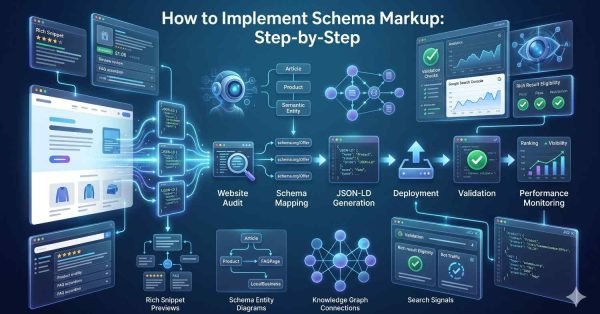
Choosing the right ecommerce SEO agency can mean the difference between stagnant product pages and a revenue-generating organic search channel. This comprehensive guide ranks 55 agencies across enterprise, mid-market, small business, and specialty categories based on verified performance data, platform expertise, and client outcomes.
Whether you operate a Shopify store generating six figures or a Magento enterprise processing millions in monthly transactions, the agencies listed here have demonstrated measurable results in product page rankings, category optimization, and technical SEO for online stores. You will learn exactly what separates top performers from average providers, how much to budget, and which agency fits your specific business model.
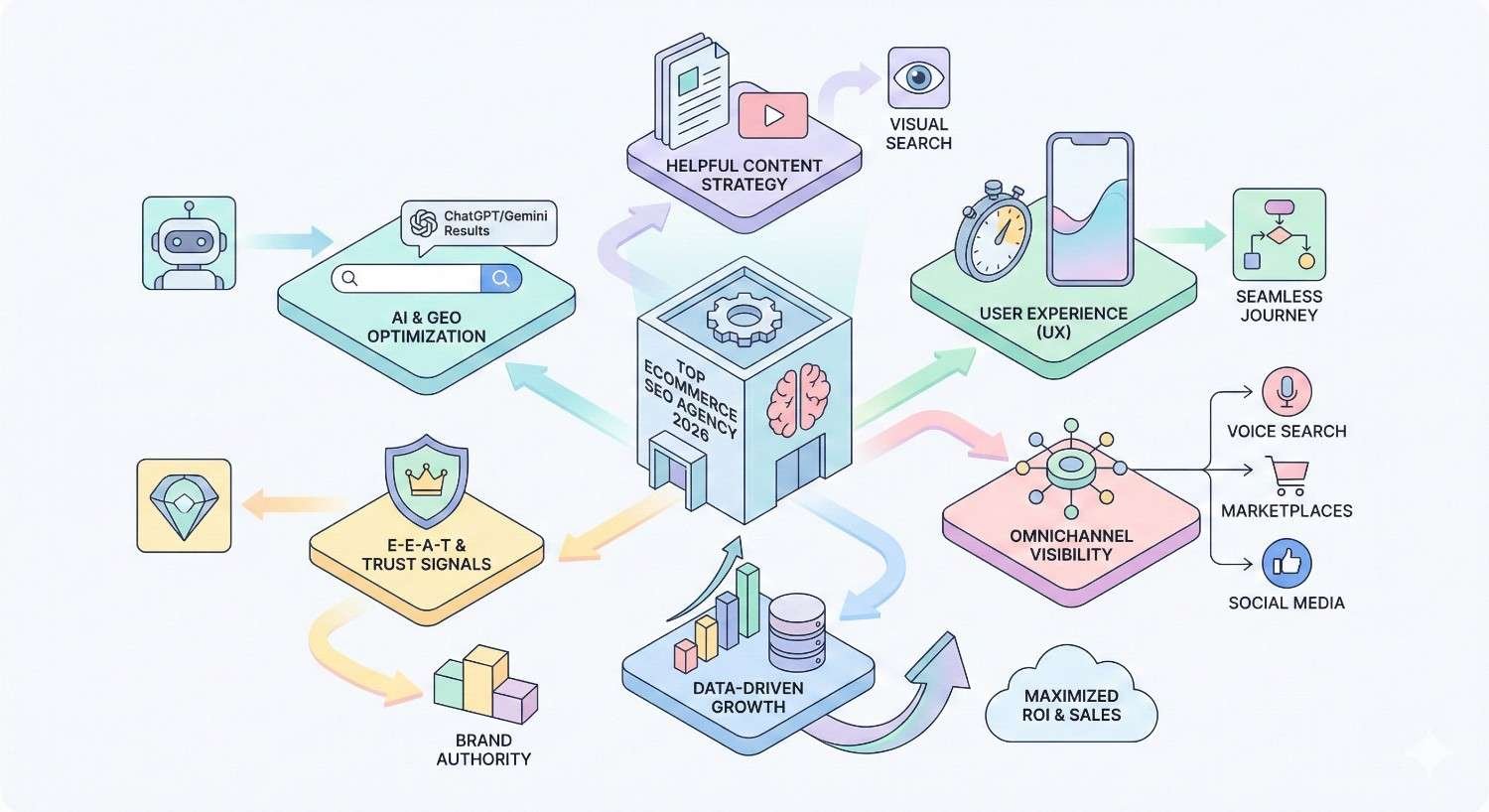
What Makes a Top Ecommerce SEO Agency in 2026
Ecommerce SEO differs fundamentally from traditional search optimization. The complexity of product catalogs, faceted navigation, inventory fluctuations, and platform limitations requires specialized knowledge that general SEO agencies often lack.
Core Ecommerce SEO Capabilities
A qualified ecommerce SEO agency must demonstrate proficiency across multiple interconnected disciplines. Product taxonomy optimization ensures category structures align with how customers actually search. Inventory-aware SEO strategies prevent ranking losses when products go out of stock. Schema markup implementation for products, reviews, pricing, and availability directly impacts rich snippet visibility in search results.
Content strategy for ecommerce extends beyond blog posts. Product descriptions, category page copy, buying guides, and comparison content all require optimization approaches that balance search intent with conversion goals. The best agencies understand that ranking means nothing without corresponding revenue increases.
Link building for ecommerce presents unique challenges. Product pages rarely attract natural backlinks, requiring creative approaches like digital PR, supplier relationships, and content-driven link acquisition. Agencies must demonstrate experience building authority for commercial pages, not just informational content.
Technical SEO Expertise for Online Stores
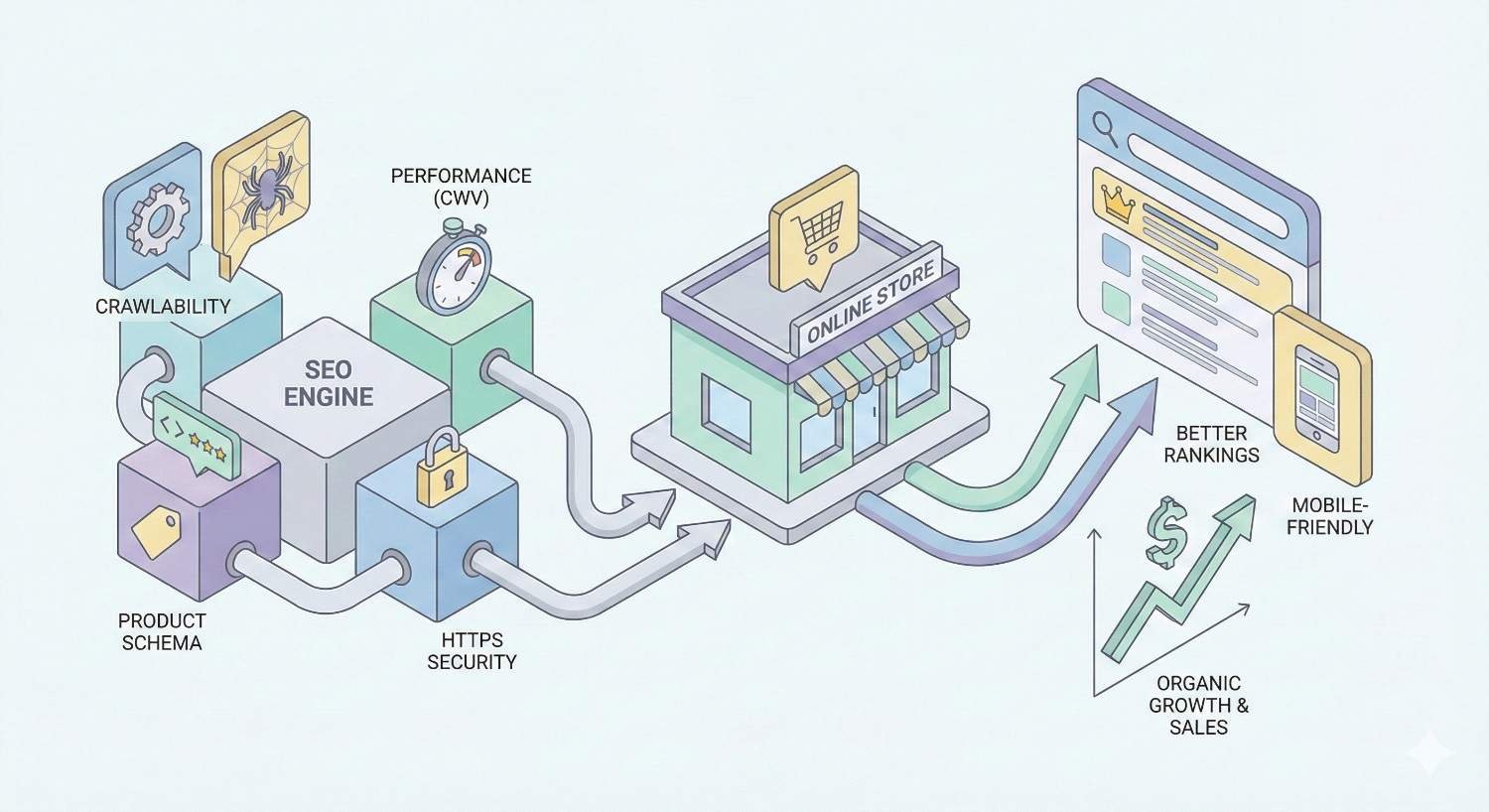
Technical SEO for ecommerce involves challenges rarely encountered on standard websites. Crawl budget management becomes critical when catalogs contain thousands or millions of product URLs. Faceted navigation creates potential duplicate content and crawl waste issues that require sophisticated solutions like canonical tags, robots directives, and parameter handling.
Site speed optimization for ecommerce must account for high-resolution product images, dynamic pricing displays, inventory checks, and third-party scripts from payment processors and analytics tools. Core Web Vitals compliance requires balancing user experience metrics with the functional requirements of online shopping.
Internal linking architecture determines how authority flows from high-performing pages to product and category URLs. Effective agencies implement programmatic internal linking strategies that scale with catalog size while maintaining relevance signals.
JavaScript rendering presents ongoing challenges as ecommerce platforms increasingly rely on client-side rendering for product displays, filtering, and cart functionality. Agencies must understand how search engines process JavaScript and implement solutions ensuring complete indexation.
Product Page Optimization Specialization
Product pages represent the revenue-generating core of any ecommerce site. Optimization requires balancing multiple competing priorities: unique content at scale, keyword targeting for product-specific queries, conversion rate optimization, and structured data implementation.
Title tag and meta description optimization for product pages must incorporate product names, key attributes, brand terms, and commercial modifiers while remaining compelling to human searchers. Template-based approaches work for large catalogs but require customization for high-value products.
Product description optimization goes beyond keyword insertion. Effective agencies create content frameworks that address buyer questions, highlight differentiating features, and incorporate semantic variations naturally. User-generated content integration through reviews and Q&A sections adds unique, keyword-rich content that scales automatically.
Image optimization for product pages includes file compression, descriptive filenames, alt text optimization, and implementation of image sitemaps. Visual search optimization has become increasingly important as platforms like Google Lens drive product discovery.
Platform-Specific Experience (Shopify, WooCommerce, Magento, BigCommerce)
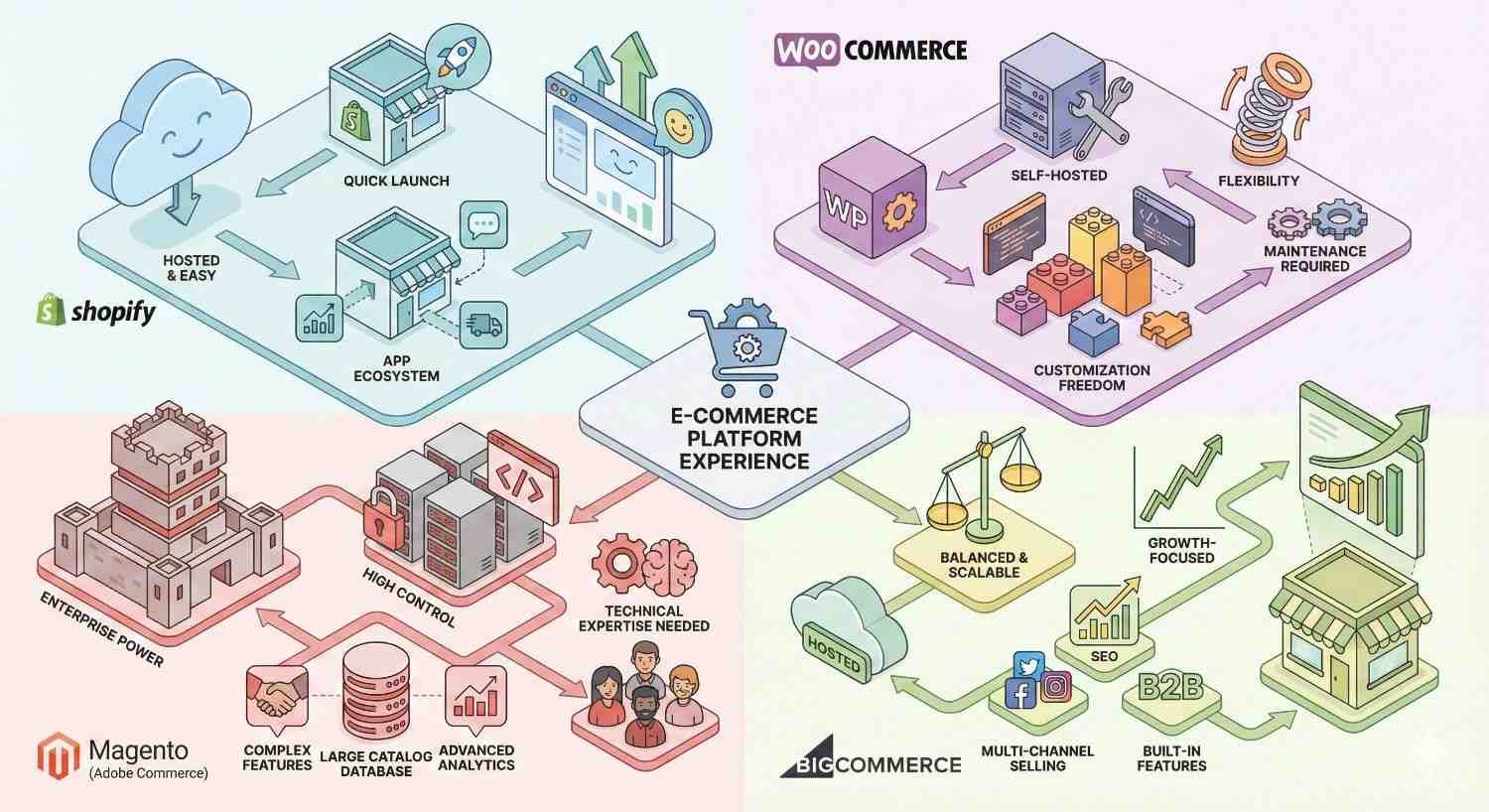
Each ecommerce platform presents unique SEO challenges and opportunities. Agencies claiming platform expertise must demonstrate deep understanding of technical limitations and available solutions.
Shopify SEO requires working within a relatively rigid URL structure and limited access to server-level configurations. Effective Shopify optimization involves theme code modifications, app integrations for advanced functionality, and creative solutions for issues like duplicate collection pages and pagination handling.
WooCommerce SEO offers greater flexibility through WordPress’s open architecture but requires careful plugin management to avoid conflicts and performance issues. Database optimization, caching configurations, and hosting environment selection significantly impact SEO outcomes.
Magento SEO demands enterprise-level technical expertise. The platform’s complexity enables sophisticated implementations but also creates potential for significant technical debt. Agencies must understand Magento’s indexing system, URL rewrites, and multi-store configurations.
BigCommerce SEO provides strong native SEO features but requires customization for advanced requirements. Understanding BigCommerce’s API capabilities and headless commerce options has become essential as brands adopt composable architectures.
How We Ranked the Best Ecommerce SEO Agencies
Transparency in methodology separates useful agency rankings from promotional content. Our evaluation process prioritizes verifiable outcomes over self-reported claims.
Evaluation Methodology
We assessed agencies through a multi-phase process spanning six months. Initial identification involved aggregating agencies from industry directories, award lists, client testimonials, and referral networks. This produced an initial list of over 200 agencies claiming ecommerce SEO expertise.
Qualification screening eliminated agencies without demonstrable ecommerce-specific case studies, those with fewer than three years of operation, and those without verifiable client references. This reduced the pool to 89 agencies for detailed evaluation.
Deep evaluation involved analyzing publicly available performance data, conducting interviews with agency leadership, reviewing client references, and assessing content quality and thought leadership. Where possible, we examined actual ranking data for agency clients using third-party tools.
Ranking Criteria and Weighting
Our ranking algorithm weighted factors based on their correlation with client success:
Demonstrated Results (35%): Verified case studies showing organic traffic growth, revenue attribution, and ranking improvements for ecommerce clients. We prioritized agencies providing specific metrics over vague percentage claims.
Technical Expertise (25%): Assessment of technical SEO capabilities through published content, tool proficiency, and platform-specific knowledge demonstrated in interviews and case studies.
Client Retention and Satisfaction (20%): Average client tenure, reference quality, and review sentiment across platforms like Clutch, G2, and Google Business Profile.
Team Expertise (10%): Credentials, experience levels, and thought leadership of key team members. We considered speaking engagements, publications, and industry recognition.
Transparency and Communication (10%): Clarity of service offerings, pricing transparency, reporting quality, and responsiveness during our evaluation process.
Data Sources and Verification Process
Primary data sources included direct agency submissions, client interviews, third-party review platforms, and publicly available information. We cross-referenced claims against multiple sources to identify discrepancies.
For ranking and traffic claims, we used Semrush, Ahrefs, and Similarweb data where client permission allowed verification. Agencies unable or unwilling to provide verifiable data received lower scores in the results category.
Financial information including pricing and revenue figures came from direct agency disclosure, client interviews, and industry databases. Where ranges are provided, they reflect the most common engagement structures rather than outliers.
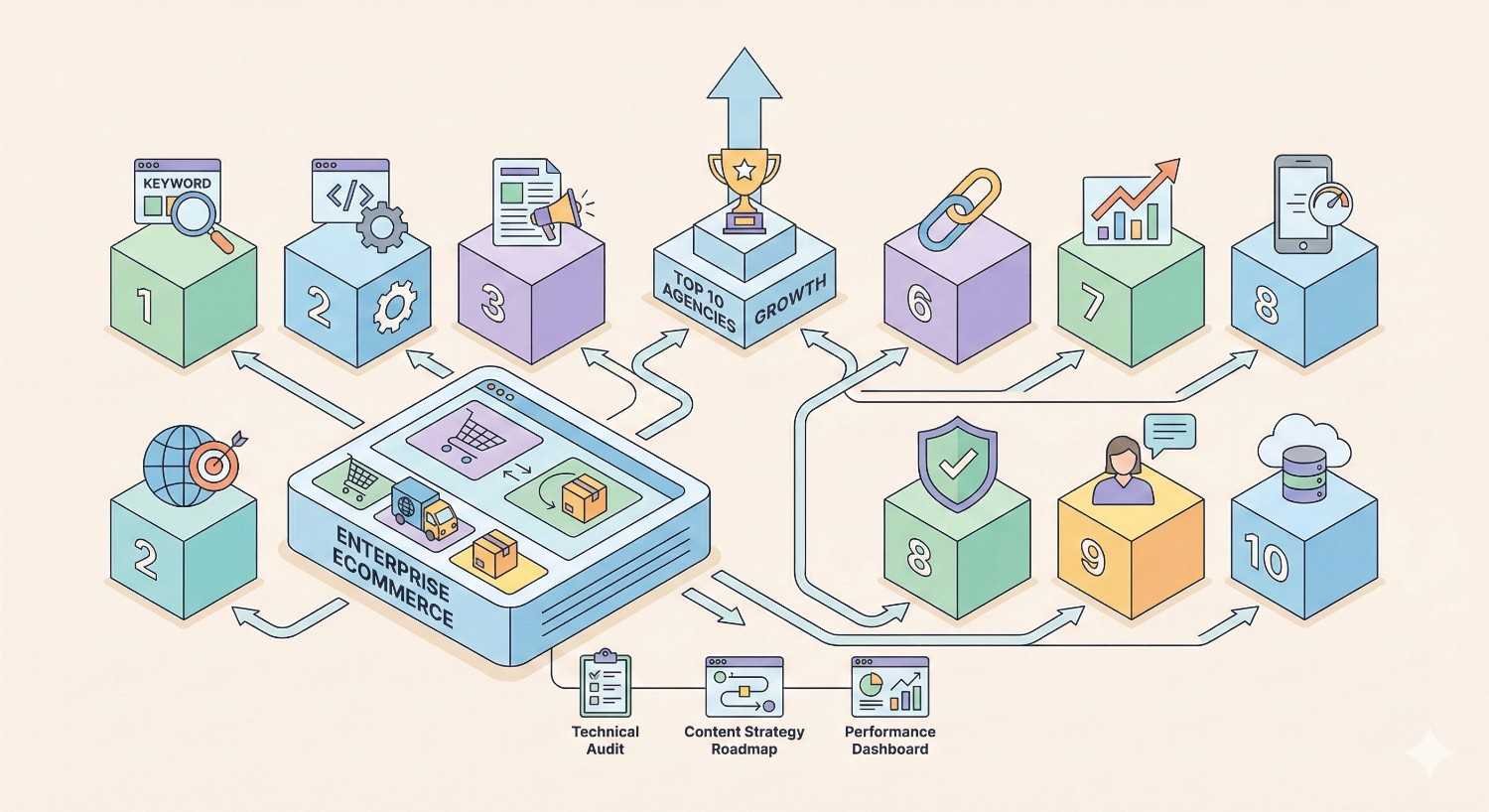
Top 10 Enterprise Ecommerce SEO Agencies
Enterprise ecommerce SEO requires agencies capable of managing complex technical environments, coordinating with large internal teams, and delivering results at scale. These agencies typically work with brands generating over $50 million in annual online revenue.
1. Wpromote – Overview, Specialties, Pricing, Notable Clients
Overview: Wpromote has established itself as a leading performance marketing agency with deep ecommerce SEO capabilities. Founded in 2001 and headquartered in El Segundo, California, the agency employs over 700 professionals across multiple disciplines.
Specialties: Enterprise technical SEO audits, marketplace optimization integration, full-funnel attribution modeling, and international ecommerce expansion. Their proprietary technology platform integrates SEO data with paid media and analytics for unified reporting.
Pricing: Enterprise engagements typically start at $25,000 per month with annual commitments. Project-based technical audits range from $50,000 to $150,000 depending on scope.
Notable Clients: Whirlpool, Zenni Optical, Polaris Industries, and TransUnion. The agency has demonstrated particular strength with consumer durables and direct-to-consumer brands scaling beyond startup phase.
2. Tinuiti – Overview, Specialties, Pricing, Notable Clients
Overview: Tinuiti positions itself as the largest independent performance marketing firm in the US, with significant ecommerce SEO capabilities developed through strategic acquisitions. The agency serves major retail and DTC brands with integrated search strategies.
Specialties: Amazon and marketplace SEO integration, retail media network optimization, enterprise content strategy, and cross-channel attribution. Their approach emphasizes connecting organic search performance to broader commerce ecosystems.
Pricing: Minimum engagements begin at $30,000 monthly for enterprise clients. Comprehensive programs including content production and technical implementation range from $50,000 to $100,000 per month.
Notable Clients: Etsy, Converse, Poppi, and E.l.f. Cosmetics. Tinuiti demonstrates particular expertise with beauty, fashion, and lifestyle brands operating across multiple sales channels.
3. Merkle – Overview, Specialties, Pricing, Notable Clients
Overview: As a Dentsu company, Merkle brings enterprise resources and global reach to ecommerce SEO engagements. The agency combines data-driven marketing expertise with technical SEO capabilities for Fortune 500 clients.
Specialties: Customer data platform integration, personalization-driven SEO, enterprise technical migrations, and international market expansion. Their strength lies in connecting SEO strategy to broader customer experience initiatives.
Pricing: Enterprise programs typically require $40,000 to $75,000 monthly investments with multi-year strategic partnerships common. Technical migration projects can exceed $500,000 for complex implementations.
Notable Clients: Dell, Kohl’s, Samsung, and major financial services brands. Merkle excels with enterprise clients requiring integration across multiple marketing technology platforms.
4. iProspect – Overview, Specialties, Pricing, Notable Clients
Overview: Another Dentsu agency, iProspect focuses on performance-driven digital marketing with strong ecommerce SEO capabilities. The agency operates globally with particular strength in European and Asian markets.
Specialties: Global ecommerce SEO coordination, luxury brand optimization, enterprise content operations, and performance creative integration. Their international presence enables coordinated multi-market strategies.
Pricing: Global programs start at $50,000 monthly with regional implementations available from $20,000 per month. Pricing varies significantly by market and scope.
Notable Clients: Burberry, Sonos, Levi’s, and General Motors. The agency demonstrates expertise with premium brands requiring sophisticated positioning in organic search.
5. Conductor – Overview, Specialties, Pricing, Notable Clients
Overview: Conductor combines agency services with its enterprise SEO platform, offering a unique hybrid model for large ecommerce operations. The company provides both technology and strategic services for organic search optimization.
Specialties: Enterprise SEO platform implementation, content intelligence, competitive analysis, and workflow optimization for large marketing teams. Their technology-first approach appeals to organizations building internal SEO capabilities.
Pricing: Platform licensing starts at $3,000 monthly with managed services adding $15,000 to $50,000 per month depending on engagement scope. Enterprise packages combine both elements.
Notable Clients: Citibank, WeWork, Slack, and CVS Health. Conductor works effectively with enterprise brands seeking to build internal SEO competency while maintaining agency support.
6. Seer Interactive – Overview, Specialties, Pricing, Notable Clients
Overview: Seer Interactive has built a reputation for data-driven SEO strategies and transparent client relationships. The Philadelphia-based agency emphasizes analytics integration and measurable business outcomes.
Specialties: Advanced analytics implementation, BigQuery and data warehouse integration, technical SEO for complex architectures, and conversion-focused content strategy. Their engineering-oriented approach appeals to data-mature organizations.
Pricing: Engagements typically range from $15,000 to $40,000 monthly with project work available for specific initiatives. The agency emphasizes value-based pricing tied to business outcomes.
Notable Clients: Intuit, LinkedIn, The Hartford, and major healthcare organizations. Seer demonstrates strength with B2B ecommerce and complex sales cycle optimization.
7. Path Interactive – Overview, Specialties, Pricing, Notable Clients
Overview: Path Interactive specializes in enterprise SEO with particular expertise in retail and ecommerce verticals. The New York-based agency combines technical depth with strategic consulting capabilities.
Specialties: Retail SEO strategy, enterprise technical audits, migration planning and execution, and international expansion support. Their retail focus provides deep category expertise for ecommerce clients.
Pricing: Enterprise programs range from $20,000 to $60,000 monthly depending on scope and complexity. Technical audit projects typically fall between $30,000 and $75,000.
Notable Clients: Major retail brands, luxury goods companies, and enterprise B2B ecommerce operations. Path Interactive works primarily with established brands requiring sophisticated SEO strategies.
8. Jellyfish – Overview, Specialties, Pricing, Notable Clients
Overview: Jellyfish operates as a global digital marketing agency with strong Google partnership credentials. The agency provides enterprise SEO services alongside broader digital transformation consulting.
Specialties: Google Marketing Platform integration, enterprise analytics implementation, global SEO coordination, and digital transformation strategy. Their Google partnership provides early access to platform features and direct support channels.
Pricing: Enterprise engagements typically require $30,000 to $80,000 monthly investments. Global programs with multi-market coordination command premium pricing.
Notable Clients: Disney, Spotify, Samsung, and eBay. Jellyfish excels with global brands requiring coordinated digital strategies across multiple markets and platforms.
9. Brainlabs – Overview, Specialties, Pricing, Notable Clients
Overview: Brainlabs has grown through acquisition to become a major performance marketing agency with significant SEO capabilities. The agency emphasizes testing, automation, and data-driven optimization.
Specialties: Automated SEO testing, programmatic content optimization, technical SEO at scale, and integrated paid and organic strategies. Their engineering culture drives innovative approaches to traditional SEO challenges.
Pricing: Enterprise programs start at $25,000 monthly with comprehensive engagements reaching $75,000 or more. The agency offers flexible structures based on client needs.
Notable Clients: American Express, Formula 1, Walmart, and Mars. Brainlabs works with enterprise brands seeking innovative, technology-driven SEO approaches.
10. Rise Interactive – Overview, Specialties, Pricing, Notable Clients
Overview: Rise Interactive combines digital marketing services with proprietary technology for enterprise clients. The Chicago-based agency emphasizes cross-channel optimization and business intelligence integration.
Specialties: Cross-channel attribution, enterprise reporting and dashboards, ecommerce conversion optimization, and integrated media strategies. Their Connex platform provides unified performance visibility across channels.
Pricing: Enterprise engagements typically range from $20,000 to $50,000 monthly with technology licensing additional. Comprehensive programs including multiple channels command higher investments.
Notable Clients: Ulta Beauty, Country Financial, and major retail brands. Rise Interactive demonstrates particular strength with retail and consumer brands requiring sophisticated attribution.
Top 15 Mid-Market Ecommerce SEO Agencies
Mid-market agencies serve businesses generating between $5 million and $50 million in annual online revenue. These agencies offer sophisticated capabilities at more accessible price points than enterprise providers.
Agencies 11-15 – Individual Profiles
- Victorious SEO
Victorious focuses exclusively on SEO, providing dedicated attention that full-service agencies often cannot match. The San Francisco-based agency has built particular expertise in ecommerce optimization for growing brands.
Their methodology emphasizes technical foundation, content strategy, and authority building in coordinated phases. Pricing starts at $5,000 monthly for mid-market clients with typical engagements ranging from $8,000 to $15,000 per month. Notable clients include Salesforce, Wayfair, and numerous venture-backed DTC brands.
- WebFX
WebFX operates as one of the largest SEO agencies in the US, serving mid-market clients with scalable processes and proprietary technology. Their MarketingCloudFX platform provides comprehensive reporting and competitive intelligence.
The agency offers tiered packages starting at $3,000 monthly for basic SEO services, with ecommerce-specific programs ranging from $6,000 to $20,000 per month. WebFX has worked with over 1,000 ecommerce clients across various industries.
- Straight North
Straight North specializes in lead generation and ecommerce SEO for mid-market B2B and B2C companies. The Chicago-based agency emphasizes measurable results and transparent reporting.
Their ecommerce programs typically range from $4,000 to $12,000 monthly depending on catalog size and competitive intensity. The agency demonstrates particular strength with industrial and professional services ecommerce.
- Thrive Internet Marketing Agency
Thrive provides comprehensive digital marketing services with strong ecommerce SEO capabilities. The agency operates with a distributed team model, providing cost efficiencies while maintaining quality.
Pricing for ecommerce SEO starts at $3,000 monthly with comprehensive programs reaching $10,000 or more. Thrive works with mid-market retailers across home goods, fashion, and specialty retail categories.
- Ignite Visibility
Ignite Visibility has earned recognition as a top SEO agency through consistent results and industry thought leadership. The San Diego-based agency serves mid-market ecommerce clients with integrated digital strategies.
Engagements typically range from $5,000 to $15,000 monthly for ecommerce SEO services. Notable clients include Tony Robbins, DoorDash, and numerous ecommerce brands in health and wellness categories.
Agencies 16-20 – Individual Profiles
- 1Digital Agency
1Digital Agency focuses exclusively on ecommerce, providing specialized expertise that generalist agencies cannot match. The agency has particular depth in BigCommerce and Shopify Plus implementations.
Their ecommerce SEO services range from $4,000 to $12,000 monthly depending on platform and scope. 1Digital has completed over 500 ecommerce projects across fashion, electronics, and specialty retail.
- Inflow
Inflow specializes in ecommerce marketing with dedicated SEO, paid media, and conversion optimization teams. The Denver-based agency emphasizes revenue-focused strategies over vanity metrics.
Pricing typically ranges from $6,000 to $18,000 monthly for comprehensive ecommerce SEO programs. Inflow works with mid-market brands in outdoor recreation, home goods, and consumer electronics.
- Coalition Technologies
Coalition Technologies provides SEO and web design services with strong ecommerce capabilities. The agency has built particular expertise in Shopify and WooCommerce optimization.
Ecommerce SEO programs start at $3,500 monthly with typical mid-market engagements ranging from $5,000 to $12,000 per month. Coalition has worked with over 800 ecommerce clients across various categories.
- OuterBox
OuterBox focuses on ecommerce SEO and paid search, providing specialized services for online retailers. The Ohio-based agency emphasizes technical SEO and conversion optimization.
Their programs typically range from $4,000 to $15,000 monthly depending on catalog complexity and competitive landscape. OuterBox demonstrates strength with industrial supply, automotive parts, and specialty retail.
- Logical Position
Logical Position has grown to become a major digital marketing agency with significant ecommerce SEO capabilities. The agency serves mid-market clients with integrated search strategies.
Ecommerce SEO engagements typically range from $3,000 to $10,000 monthly with comprehensive programs including content production at higher price points. The agency works across retail categories with particular strength in home and garden.
Agencies 21-25 – Individual Profiles
- SEO Brand
SEO Brand provides enterprise-level SEO services at mid-market price points. The agency emphasizes technical expertise and measurable business outcomes for ecommerce clients.
Pricing ranges from $5,000 to $15,000 monthly for ecommerce programs. SEO Brand works with growing DTC brands and established retailers expanding their organic presence.
- HigherVisibility
HigherVisibility offers comprehensive SEO services with dedicated ecommerce expertise. The Memphis-based agency has earned recognition for transparent practices and consistent results.
Ecommerce programs typically range from $4,000 to $12,000 monthly depending on scope and competitive intensity. The agency demonstrates strength with regional retailers and national specialty brands.
- SmartSites
SmartSites combines web development and digital marketing services with strong ecommerce SEO capabilities. The New Jersey-based agency provides integrated solutions for growing online retailers.
SEO services start at $3,000 monthly with ecommerce-specific programs ranging from $5,000 to $15,000 per month. SmartSites has completed over 900 projects for ecommerce clients.
- Titan Growth
Titan Growth emphasizes patented technology and data-driven strategies for ecommerce SEO. The San Diego-based agency provides sophisticated optimization for mid-market retailers.
Engagements typically range from $6,000 to $20,000 monthly depending on scope and technology requirements. Titan Growth works with mid-market brands in fashion, electronics, and specialty retail.
- Sure Oak
Sure Oak provides boutique SEO services with personalized attention for mid-market ecommerce clients. The agency emphasizes strategic consulting alongside tactical execution.
Pricing ranges from $5,000 to $12,000 monthly for ecommerce programs. Sure Oak works with growing DTC brands and established retailers seeking dedicated partnership.
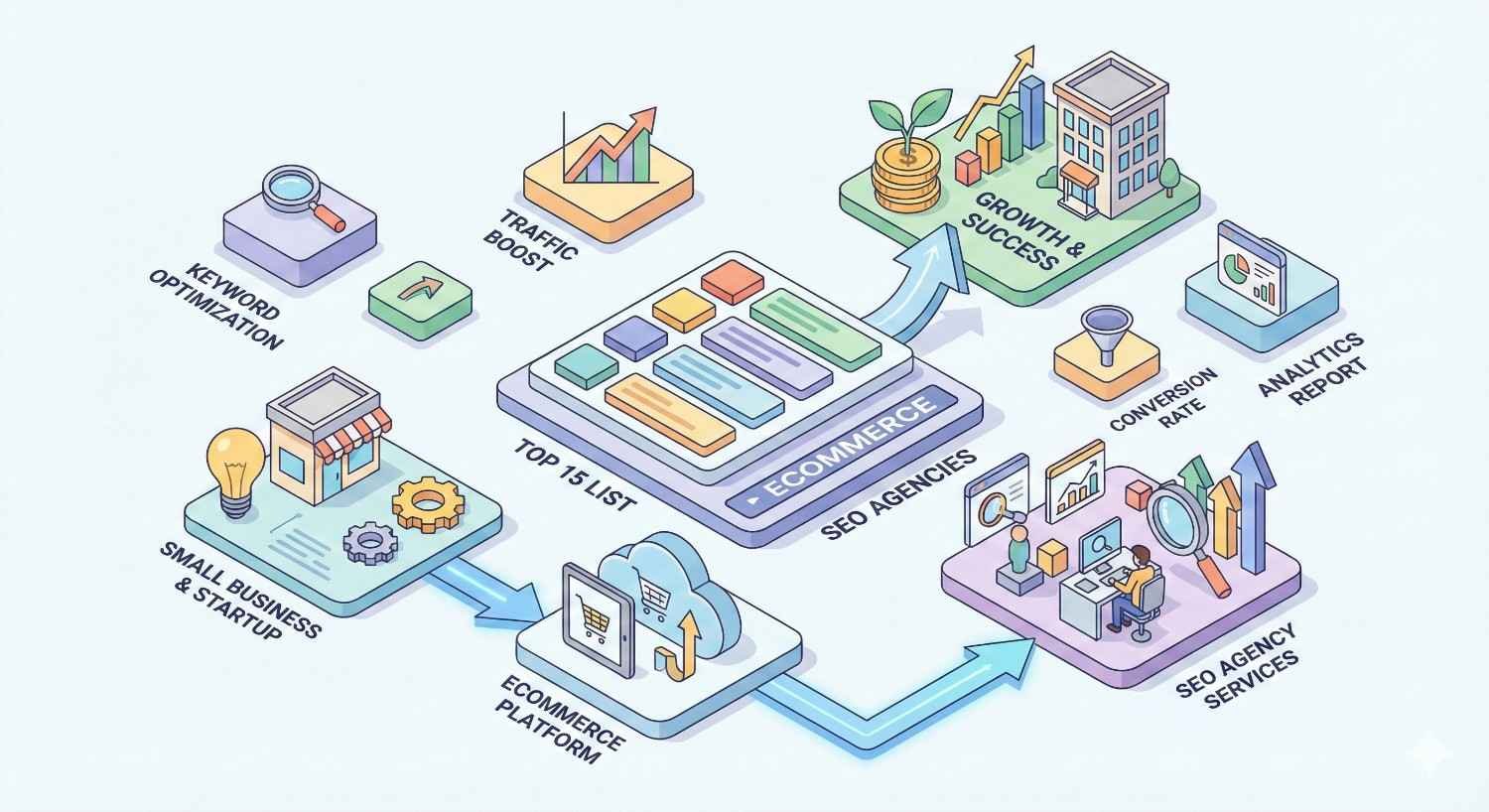
Top 15 Small Business & Startup Ecommerce SEO Agencies
Small business and startup agencies provide accessible entry points for emerging ecommerce brands. These agencies offer essential SEO services at price points appropriate for businesses generating under $5 million in annual online revenue.
Agencies 26-30 – Individual Profiles
- The HOTH
The HOTH provides scalable SEO services through productized offerings suitable for small ecommerce businesses. Their managed SEO packages provide predictable pricing and clear deliverables.
Ecommerce packages start at $1,000 monthly with comprehensive programs reaching $3,000 to $5,000 per month. The HOTH works with thousands of small ecommerce businesses across all categories.
- Boostability
Boostability specializes in small business SEO with streamlined processes enabling affordable pricing. The agency serves ecommerce clients through both direct relationships and white-label partnerships.
Pricing starts at $500 monthly for basic services with ecommerce-specific programs ranging from $1,000 to $3,000 per month. Boostability has served over 30,000 small businesses.
- SEO Discovery
SEO Discovery provides affordable SEO services with dedicated account management for small ecommerce businesses. The agency offers flexible engagement structures suitable for limited budgets.
Ecommerce programs range from $800 to $2,500 monthly depending on scope and competitive requirements. SEO Discovery works with small retailers across fashion, home goods, and specialty categories.
- Searchbloom
Searchbloom offers boutique SEO services at accessible price points for growing ecommerce businesses. The Utah-based agency emphasizes personalized strategy and transparent communication.
Pricing typically ranges from $2,000 to $5,000 monthly for small business ecommerce clients. Searchbloom demonstrates strength with local retailers expanding to national ecommerce presence.
- Digital Current
Digital Current provides strategic SEO services for small and mid-market ecommerce businesses. The agency emphasizes content-driven strategies and sustainable growth approaches.
Engagements range from $2,500 to $6,000 monthly for small business clients. Digital Current works with emerging DTC brands and established small retailers.
Agencies 31-35 – Individual Profiles
- Page One Power
Page One Power specializes in link building and content marketing for ecommerce clients. The agency provides focused services that complement broader SEO strategies.
Link building programs start at $3,000 monthly with comprehensive content and link packages reaching $6,000 to $10,000 per month. Page One Power works with ecommerce clients requiring authority building support.
- Directive Consulting
Directive focuses on B2B and SaaS marketing but serves B2B ecommerce clients with specialized strategies. The agency emphasizes revenue attribution and pipeline generation.
B2B ecommerce programs typically range from $5,000 to $12,000 monthly. Directive works with B2B distributors, wholesale platforms, and industrial ecommerce operations.
- Loganix
Loganix provides productized SEO services suitable for small ecommerce businesses and agencies. Their service marketplace enables à la carte purchasing of specific SEO deliverables.
Individual services range from $100 to $500 with ongoing programs starting at $1,500 monthly. Loganix serves small ecommerce businesses requiring specific tactical support.
- Fat Joe
Fat Joe offers link building and content services at accessible price points for small ecommerce businesses. The UK-based agency serves international clients through scalable processes.
Link building packages start at $100 per link with monthly programs beginning at $1,000. Fat Joe works with small ecommerce businesses requiring authority building support.
- Authority Builders
Authority Builders specializes in link acquisition for ecommerce and affiliate websites. The agency provides transparent link building services with clear pricing and quality standards.
Monthly programs range from $1,500 to $5,000 depending on link volume and quality requirements. Authority Builders serves small ecommerce businesses focused on competitive niches.
Agencies 36-40 – Individual Profiles
- Ecommerce SEO Agency
Ecommerce SEO Agency focuses exclusively on online retail optimization, providing specialized expertise for small businesses. The agency offers platform-specific services for Shopify, WooCommerce, and BigCommerce.
Programs start at $1,500 monthly with comprehensive services reaching $4,000 per month. The agency works with small retailers across fashion, home goods, and specialty categories.
- SEO Werkz
SEO Werkz provides affordable SEO services with dedicated support for small ecommerce businesses. The Utah-based agency emphasizes transparent reporting and measurable results.
Pricing ranges from $1,000 to $3,500 monthly for small business ecommerce clients. SEO Werkz works with local retailers and emerging national brands.
- Rank Executives
Rank Executives offers comprehensive digital marketing services with strong ecommerce SEO capabilities for small businesses. The agency provides integrated strategies across organic and paid channels.
Ecommerce programs range from $1,500 to $4,000 monthly depending on scope. Rank Executives serves small retailers in competitive consumer categories.
- Over The Top SEO
Over The Top SEO provides boutique services for small ecommerce businesses seeking personalized attention. The agency emphasizes strategic consulting alongside tactical execution.
Pricing typically ranges from $2,000 to $5,000 monthly for small business clients. The agency works with emerging DTC brands and established small retailers.
- Markitors
Markitors specializes in small business SEO with particular expertise in local and ecommerce optimization. The agency provides accessible services for businesses with limited marketing budgets.
Programs start at $1,000 monthly with ecommerce-specific services ranging from $1,500 to $3,500 per month. Markitors serves small retailers across various categories.
Top 10 Niche & Specialty Ecommerce SEO Agencies
Specialty agencies provide deep expertise in specific verticals or business models. These agencies offer category knowledge that generalist providers cannot match.
Best for Fashion & Apparel Ecommerce
- Common Thread Collective
Common Thread Collective specializes in fashion and apparel ecommerce marketing with strong SEO capabilities. The agency understands seasonal trends, size and color variations, and fashion-specific search behavior.
Programs typically range from $10,000 to $30,000 monthly for comprehensive fashion ecommerce marketing. The agency works with emerging and established fashion brands.
- Hawke Media
Hawke Media provides outsourced CMO services with strong fashion ecommerce expertise. The agency offers flexible engagement structures suitable for fashion brands at various growth stages.
SEO services range from $4,000 to $15,000 monthly depending on scope. Hawke Media works with DTC fashion brands and established apparel retailers.
- Blue Acorn iCi
Blue Acorn iCi combines ecommerce development with marketing services for fashion and lifestyle brands. The agency provides integrated solutions from platform implementation to ongoing optimization.
Comprehensive programs range from $15,000 to $50,000 monthly including development and marketing services. Blue Acorn iCi works with premium fashion and lifestyle brands.
Best for B2B Ecommerce
- Brafton
Brafton specializes in content marketing with strong B2B ecommerce SEO capabilities. The agency understands complex buying cycles and multi-stakeholder decision processes.
B2B ecommerce programs typically range from $5,000 to $15,000 monthly. Brafton works with industrial distributors, wholesale platforms, and B2B marketplace operators.
- KoMarketing
KoMarketing focuses on B2B digital marketing with particular expertise in industrial and technology ecommerce. The agency emphasizes lead generation and pipeline attribution.
Programs range from $8,000 to $20,000 monthly for B2B ecommerce clients. KoMarketing serves industrial suppliers, technology distributors, and B2B service providers.
Best for International/Multilingual Ecommerce
- Verbolia
Verbolia specializes in international SEO with automated multilingual content solutions. The agency provides scalable approaches for ecommerce brands expanding globally.
Programs typically range from $5,000 to $20,000 monthly depending on market scope. Verbolia works with ecommerce brands expanding into European, Asian, and Latin American markets.
- Webcertain
Webcertain provides international digital marketing services with strong multilingual SEO capabilities. The agency offers native-speaker expertise across dozens of languages and markets.
International programs range from $10,000 to $40,000 monthly depending on market coverage. Webcertain serves global ecommerce brands requiring coordinated multi-market strategies.
- Oban International
Oban International specializes in international digital marketing with particular expertise in market entry strategies. The agency provides cultural and linguistic expertise for global expansion.
Programs typically range from $8,000 to $25,000 monthly per market. Oban works with ecommerce brands entering new geographic markets.
Best for DTC Brands
- Mutesix
Mutesix specializes in DTC brand marketing with integrated organic and paid strategies. The agency understands the unique challenges of building direct consumer relationships.
Programs range from $10,000 to $30,000 monthly for comprehensive DTC marketing. Mutesix works with venture-backed DTC brands across consumer categories.
- Sharma Brands
Sharma Brands provides growth marketing services for DTC ecommerce with strong SEO integration. The agency emphasizes brand building alongside performance marketing.
Engagements typically range from $15,000 to $40,000 monthly for comprehensive programs. Sharma Brands works with premium DTC brands in beauty, wellness, and lifestyle categories.
Top 5 Budget-Friendly Ecommerce SEO Agencies
Budget-friendly agencies provide essential SEO services for businesses with limited marketing investments. These agencies offer streamlined services at accessible price points.
Agencies 51-55 – Individual Profiles
- SEO.com
SEO.com provides affordable SEO services through standardized processes and efficient delivery. The agency offers predictable pricing suitable for small ecommerce businesses.
Programs start at $500 monthly with ecommerce-specific services ranging from $750 to $2,000 per month. SEO.com serves small retailers requiring foundational SEO support.
- 180Fusion
180Fusion offers budget-friendly SEO services with dedicated account management. The agency provides accessible entry points for small ecommerce businesses.
Pricing ranges from $600 to $1,500 monthly for small business clients. 180Fusion works with emerging ecommerce brands across various categories.
- SEOValley
SEOValley provides offshore SEO services at competitive price points for budget-conscious ecommerce businesses. The agency offers comprehensive services through efficient delivery models.
Programs range from $400 to $1,200 monthly depending on scope. SEOValley serves small ecommerce businesses requiring cost-effective optimization.
- Stan Ventures
Stan Ventures offers link building and content services at accessible price points. The agency provides specific tactical services suitable for limited budgets.
Services range from $200 to $1,000 monthly depending on deliverables. Stan Ventures works with small ecommerce businesses requiring targeted support.
- BrightLocal
BrightLocal combines local SEO tools with agency services for small businesses with local ecommerce components. The agency provides affordable solutions for retailers with physical presence.
Programs start at $300 monthly with comprehensive services reaching $1,000 per month. BrightLocal serves small retailers combining local and ecommerce strategies.
Ecommerce SEO Agency Comparison Table
Comparing agencies across standardized criteria enables informed decision-making. The following comparisons highlight key differences among top providers.
Pricing Comparison
| Agency Tier | Monthly Range | Typical Engagement | Best For |
| Enterprise | $25,000-$100,000+ | 12-24 months | $50M+ revenue |
| Mid-Market | $5,000-$20,000 | 6-12 months | $5M-$50M revenue |
| Small Business | $1,500-$5,000 | 3-6 months | Under $5M revenue |
| Budget | $500-$1,500 | Month-to-month | Startups, testing |
Enterprise agencies command premium pricing reflecting their capabilities, resources, and client expectations. Mid-market agencies offer sophisticated services at more accessible price points. Small business and budget agencies provide essential services scaled appropriately for limited investments.
Services Comparison
| Service Category | Enterprise | Mid-Market | Small Business |
| Technical Audits | Comprehensive | Standard | Basic |
| Content Strategy | Custom | Template-based | Limited |
| Link Building | Premium placements | Quality focus | Volume focus |
| Reporting | Custom dashboards | Standard reports | Basic metrics |
| Account Management | Dedicated team | Single point | Shared resources |
Service depth correlates with pricing tier. Enterprise clients receive customized solutions while budget clients receive standardized deliverables. Understanding these differences helps set appropriate expectations.
Platform Expertise Comparison
| Platform | Top Agencies | Considerations |
| Shopify | 1Digital, Coalition, Inflow | App ecosystem, theme limitations |
| WooCommerce | WebFX, Thrive, SmartSites | Plugin management, hosting |
| Magento | Merkle, Blue Acorn, Path | Enterprise complexity |
| BigCommerce | 1Digital, OuterBox, Logical Position | Native features, API access |
Platform expertise varies significantly among agencies. Selecting an agency with demonstrated experience on your specific platform reduces implementation risk and accelerates results.
How to Choose the Right Ecommerce SEO Agency for Your Business
Selecting an agency requires systematic evaluation beyond marketing claims and case studies. The following framework guides effective decision-making.
Assessing Your Ecommerce SEO Needs
Begin by documenting your current situation and objectives. Audit your existing organic performance using Google Search Console and analytics data. Identify specific gaps in technical health, content coverage, and authority metrics.
Define measurable objectives tied to business outcomes. Revenue attribution, customer acquisition cost, and lifetime value provide more meaningful targets than ranking positions or traffic volume. Agencies aligned with business metrics deliver more valuable partnerships.
Evaluate internal capabilities honestly. Technical resources, content production capacity, and marketing expertise influence the type of agency relationship you need. Brands with strong internal teams may need strategic guidance while those without require full-service execution.
Questions to Ask Before Hiring
Experience Questions:
- How many ecommerce clients have you served on my platform?
- Can you provide references from similar-sized businesses in my category?
- What specific results have you achieved for comparable clients?
Process Questions:
- What does your onboarding process involve?
- How do you prioritize recommendations for new clients?
- What is your typical timeline for initial optimizations?
Communication Questions:
- Who will be my primary point of contact?
- How frequently will we meet and in what format?
- What does your reporting include and how often is it delivered?
Results Questions:
- How do you measure and attribute SEO performance?
- What results should I expect in 3, 6, and 12 months?
- How do you handle situations where results fall short of projections?
Red Flags to Avoid
Guaranteed Rankings: No legitimate agency can guarantee specific ranking positions. Search algorithms involve hundreds of factors beyond any agency’s control.
Proprietary Secrets: Agencies claiming secret techniques or special relationships with search engines are misrepresenting their capabilities. Effective SEO follows documented best practices.
Unusually Low Pricing: Agencies offering enterprise-level services at budget prices likely cut corners on quality, use risky tactics, or outsource to unqualified providers.
No Case Studies: Agencies unable to provide specific, verifiable case studies may lack the experience they claim. Request references and verify claims independently.
Long-Term Contracts Without Performance Clauses: Legitimate agencies confident in their capabilities offer performance-based terms or reasonable exit provisions.
Contract and Pricing Considerations
Understand exactly what deliverables are included in quoted pricing. Request detailed scope documents specifying hours, outputs, and responsibilities. Clarify ownership of content, tools access, and data upon contract termination.
Negotiate performance incentives where possible. Agencies willing to tie compensation to results demonstrate confidence in their capabilities. Structure bonuses around meaningful business metrics rather than vanity indicators.
Include reasonable termination provisions. Thirty to sixty day notice periods protect both parties while enabling exit from underperforming relationships. Avoid contracts requiring payment for services not yet rendered.
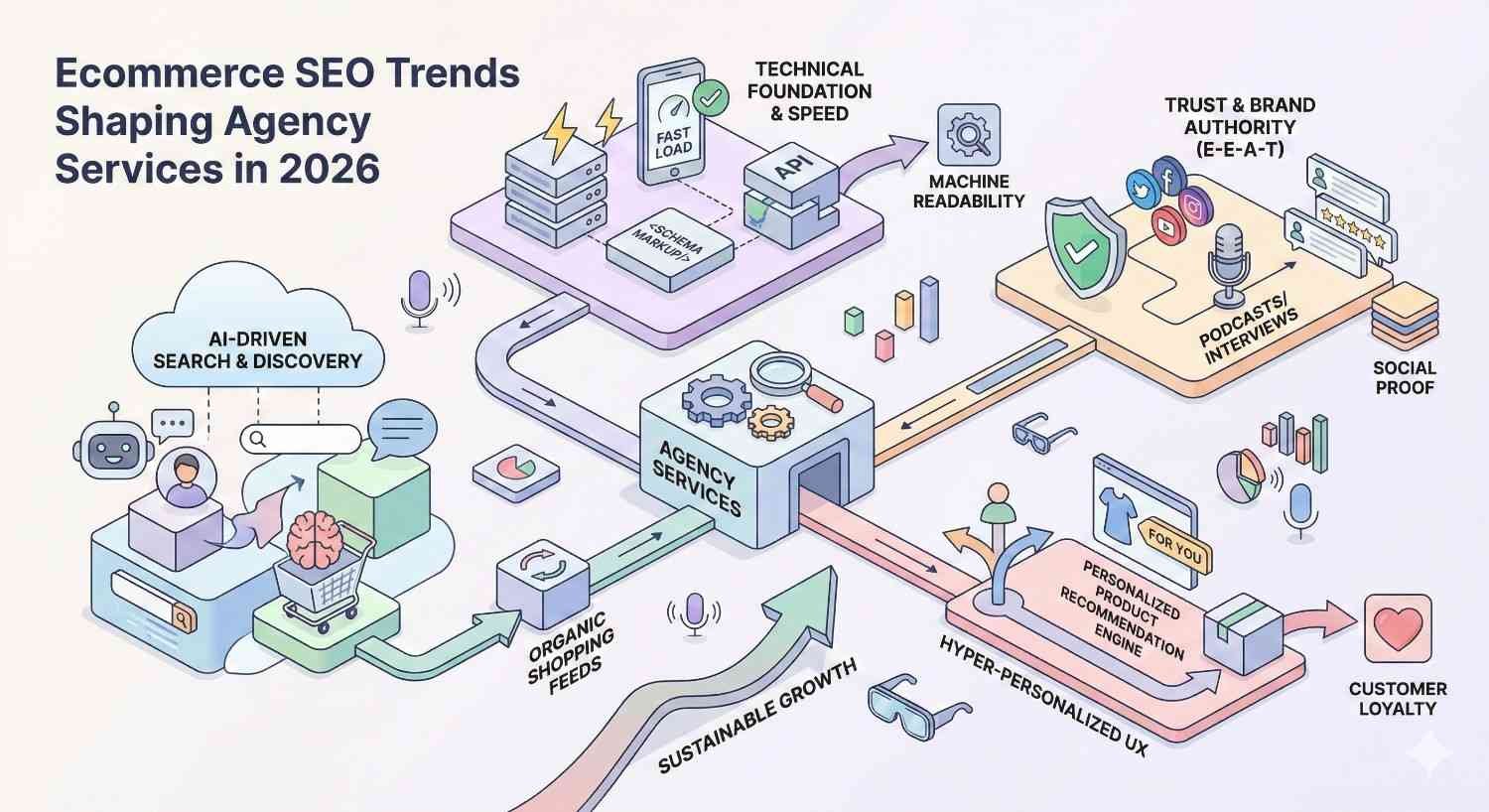
Ecommerce SEO Trends Shaping Agency Services in 2026
Understanding current trends helps evaluate agency capabilities and future-readiness. The following developments are reshaping ecommerce SEO strategies.
AI-Powered SEO Strategies
Artificial intelligence has transformed SEO workflows from keyword research through content optimization. Leading agencies leverage AI tools for competitive analysis, content gap identification, and performance prediction while maintaining human strategic oversight.
AI-generated content requires careful quality control for ecommerce applications. Product descriptions, category content, and buying guides benefit from AI assistance but require human editing to ensure accuracy, brand voice consistency, and conversion optimization.
Search engines increasingly use AI to understand content quality and relevance. Agencies must optimize for semantic understanding rather than keyword matching, creating content that comprehensively addresses user needs.
Voice and Visual Search Optimization
Voice search continues growing, particularly for product discovery and local shopping queries. Optimizing for conversational queries, featured snippets, and direct answers positions ecommerce brands for voice-driven traffic.
Visual search through Google Lens, Pinterest, and platform-specific tools drives product discovery. Image optimization, structured data implementation, and visual content strategies have become essential ecommerce SEO components.
Agencies must understand how visual and voice search differ from traditional text queries. User intent, query structure, and result formats all require adapted optimization approaches.
Core Web Vitals and Page Experience
Page experience signals remain important ranking factors for ecommerce sites. Core Web Vitals measuring loading performance, interactivity, and visual stability directly impact both rankings and conversion rates.
Ecommerce sites face particular challenges meeting Core Web Vitals thresholds. High-resolution product images, dynamic pricing, inventory checks, and third-party scripts all impact performance metrics. Agencies must balance functionality with speed optimization.
Mobile experience optimization has become non-negotiable. With mobile commerce representing the majority of ecommerce traffic, agencies must prioritize mobile-first strategies across technical and content optimization.
Zero-Click Search Adaptation
Search results increasingly provide answers directly without requiring clicks to websites. Product information, pricing, reviews, and specifications appear in search results through various SERP features.
Agencies must optimize for visibility within search results, not just click-through. Structured data implementation, featured snippet optimization, and knowledge panel strategies capture value from zero-click searches.
Brand building becomes more important as direct answer features reduce organic click opportunities. Agencies should integrate brand awareness strategies alongside traditional SEO tactics.
Ecommerce SEO Agency Pricing: What to Expect in 2026
Understanding pricing structures and expectations enables realistic budgeting and vendor evaluation. Agency pricing varies significantly based on scope, expertise, and engagement model.
Retainer vs. Project-Based Pricing
Retainer Model: Monthly fees covering ongoing optimization, monitoring, and strategic guidance. Retainers provide consistent support and enable long-term strategy execution. Most ecommerce SEO engagements follow retainer structures ranging from $1,500 to $50,000+ monthly depending on scope.
Project-Based Model: Fixed fees for specific deliverables like technical audits, migration support, or content production. Projects work well for defined initiatives but may not provide ongoing optimization. Project fees typically range from $5,000 to $150,000 depending on complexity.
Hybrid Model: Combining project work for initial optimization with ongoing retainers for maintenance and growth. Many agencies recommend hybrid structures for new clients requiring foundational work before ongoing optimization.
Average Costs by Business Size
Enterprise ($50M+ Revenue): Expect investments of $25,000 to $100,000+ monthly for comprehensive programs. Enterprise engagements typically include dedicated teams, custom technology, and strategic consulting alongside tactical execution.
Mid-Market ($5M-$50M Revenue): Budget $5,000 to $20,000 monthly for effective programs. Mid-market engagements balance strategic guidance with hands-on optimization across technical, content, and authority building.
Small Business (Under $5M Revenue): Allocate $1,500 to $5,000 monthly for foundational services. Small business programs focus on essential optimizations with limited customization and strategic consulting.
Startups and New Stores: Consider $500 to $1,500 monthly for basic services or project-based work for initial setup. Limited budgets require prioritization of highest-impact activities.
ROI Expectations and Timelines
Ecommerce SEO typically requires 3-6 months before significant ranking improvements appear. Traffic and revenue impacts follow ranking gains, often becoming meaningful at 6-12 months into engagements.
ROI calculations should account for the compounding nature of SEO investments. Unlike paid advertising requiring ongoing spend for ongoing results, SEO improvements often persist and compound over time. A 200-400% ROI over 12-24 months represents realistic expectations for well-executed programs.
Set appropriate expectations with stakeholders before engagement. SEO is not a quick fix for revenue shortfalls. Brands requiring immediate results should consider paid channels while building organic presence for long-term sustainability.
Frequently Asked Questions About Ecommerce SEO Agencies
What does an ecommerce SEO agency do?
An ecommerce SEO agency optimizes online stores for organic search visibility. Services typically include technical audits, product page optimization, category structure improvements, content strategy, and link building. The goal is increasing qualified organic traffic that converts to revenue.
How much do ecommerce SEO services cost?
Ecommerce SEO services range from $500 to $100,000+ monthly depending on business size and scope. Small businesses typically invest $1,500-$5,000 monthly, mid-market companies $5,000-$20,000, and enterprises $25,000 or more. Project-based work ranges from $5,000 to $150,000.
How long does ecommerce SEO take to show results?
Initial ranking improvements typically appear within 3-6 months of consistent optimization. Meaningful traffic and revenue impacts often require 6-12 months. Competitive categories and new domains may require longer timeframes. SEO is a long-term investment rather than a quick fix.
What’s the difference between general SEO and ecommerce SEO?
Ecommerce SEO addresses challenges unique to online stores: product page optimization at scale, faceted navigation management, inventory-aware strategies, and platform-specific technical requirements. General SEO principles apply, but implementation requires specialized knowledge of ecommerce systems and user behavior.
Should I hire an agency or build an in-house team?
The decision depends on budget, expertise requirements, and strategic priorities. Agencies provide immediate expertise and scalability without hiring overhead. In-house teams offer deeper brand knowledge and dedicated focus. Many brands use hybrid approaches with agencies providing strategy and specialized execution while internal teams handle day-to-day optimization.
Conclusion: Finding Your Ideal Ecommerce SEO Partner in 2026
Key Takeaways
Selecting the right ecommerce SEO agency requires matching capabilities to your specific needs, budget, and growth objectives. Enterprise brands need sophisticated partners capable of managing complexity at scale. Growing businesses benefit from mid-market agencies offering strong expertise at accessible price points. Startups and small businesses can achieve meaningful results with focused investments in foundational optimization.
Next Steps for Hiring
The agencies profiled in this guide represent the strongest options across enterprise, mid-market, small business, and specialty categories. Your next step involves shortlisting three to five agencies matching your tier and requirements, then conducting discovery calls to evaluate fit, chemistry, and specific capabilities.
At White Label SEO Service, we help businesses navigate the agency selection process and provide comprehensive SEO solutions tailored to ecommerce success. Whether you need strategic guidance on vendor selection or a full-service partnership for organic growth, our team delivers the technical expertise, content strategy, and authority building required for sustainable search visibility. Contact us to discuss your ecommerce SEO objectives and discover how we can accelerate your organic growth.
Frequently Asked Questions
How do I evaluate an ecommerce SEO agency’s track record?
Request specific case studies with verifiable metrics from clients in similar industries and business sizes. Ask for references you can contact directly. Use third-party tools to verify claimed ranking and traffic improvements where possible.
What questions should I ask during an agency discovery call?
Focus on their experience with your specific platform, their approach to measuring success, who will work on your account, and what results similar clients have achieved. Ask about their process for the first 90 days and how they handle underperformance.
How do I know if an ecommerce SEO agency is using ethical practices?
Legitimate agencies explain their strategies transparently, avoid guaranteed ranking promises, and follow documented best practices. Ask specifically about link building methods and content creation processes. Agencies unwilling to explain their tactics may use risky approaches.
What should be included in an ecommerce SEO agency contract?
Contracts should specify deliverables, reporting frequency, payment terms, performance expectations, and termination provisions. Ensure you retain ownership of content and data. Include clauses addressing scope changes and additional fees.
How do I measure the ROI of ecommerce SEO services?
Track organic revenue through proper analytics attribution, monitor customer acquisition costs from organic channels, and calculate lifetime value of organic customers. Compare total investment against attributed revenue over 12-24 month periods for accurate ROI assessment.
When should I consider switching ecommerce SEO agencies?
Consider switching if results consistently fall short of projections without clear explanation, communication deteriorates, or strategic recommendations no longer align with your business direction. Give agencies adequate time to demonstrate results before making changes.
Can I use multiple SEO agencies for different aspects of ecommerce optimization?
Some brands successfully use specialized agencies for specific functions like link building or content while maintaining a primary agency for strategy and technical work. This approach requires clear coordination and communication to avoid conflicts and duplication.