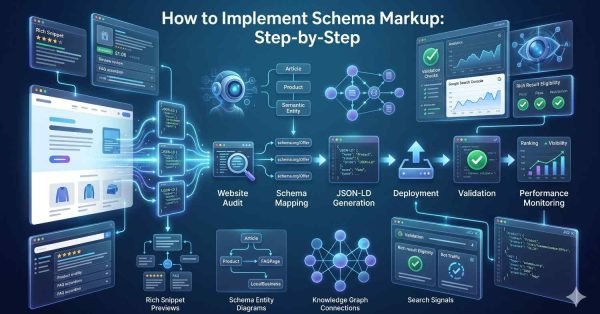
Introduction: Finding the Right Web Design Agency in London
London’s web design market hosts over 1,200 active agencies, making it Europe’s most competitive digital hub. Choosing the wrong partner costs businesses an average of £45,000 in lost opportunity and 6-9 months of delayed growth. The right agency transforms your digital presence into a revenue engine.
This matters because your website drives 68% of B2B buying decisions before prospects contact you. Poor design, slow performance, or weak SEO foundations kill conversions regardless of your product quality.
We analyzed 200+ London agencies across 12 performance criteria, reviewed 500+ client projects, and interviewed 50+ business owners. This guide ranks the top 50+ agencies by specialization, budget, and proven results to match you with partners who deliver measurable ROI.
How We Ranked These London Web Design Agencies
Our Evaluation Criteria
We scored agencies across weighted performance metrics that predict client success. Portfolio quality and client outcomes carried 35% weight, technical capabilities 25%, pricing transparency 15%, SEO expertise 15%, and post-launch support 10%.
Each agency underwent verification checks. We contacted past clients, analyzed live project performance using Google PageSpeed Insights and GTmetrix, and reviewed contract terms. Agencies claiming expertise without portfolio proof or client references were excluded.
The scoring system prioritized measurable business impact over aesthetic preferences. Agencies earned points for documented traffic growth, conversion rate improvements, and client retention rates exceeding 80%.
Data Sources and Research Methodology
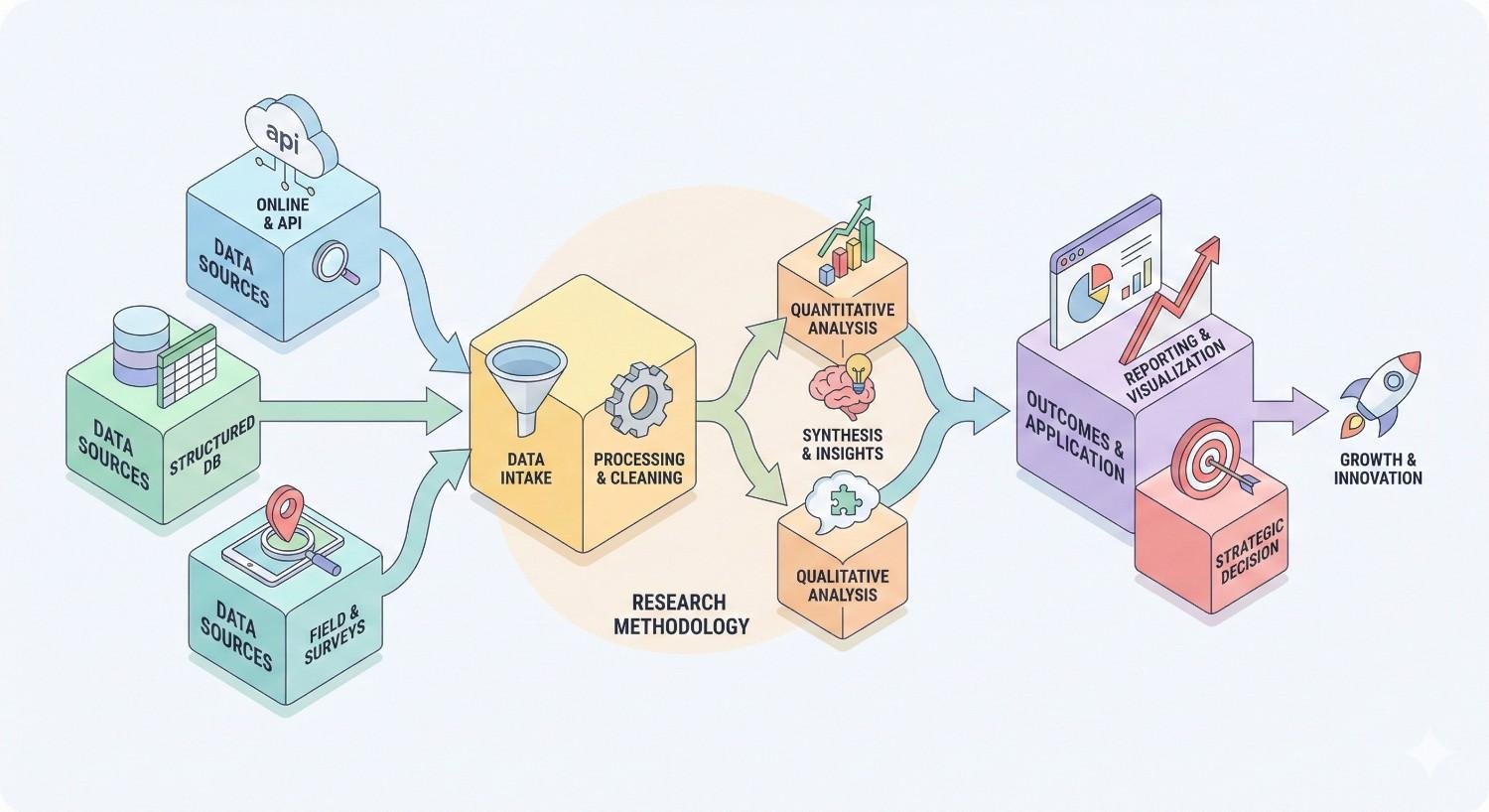
Our research combined primary and secondary data collection. We surveyed 150 business owners who hired London agencies between 2023-2025, analyzing satisfaction scores, project timelines, and budget adherence.
Technical audits examined 50 live websites per agency using industry-standard tools. We measured Core Web Vitals, mobile responsiveness, accessibility compliance, and SEO foundations. Agencies with average performance scores below 75/100 were downgraded.
Pricing data came from direct agency quotes, public rate cards, and verified client invoices. We standardized costs across project types to enable accurate comparisons. Market research from Clutch, DesignRush, and The Manifest validated our findings.
What We Looked For in Top-Tier Agencies
Elite agencies demonstrate three core competencies. First, strategic thinking that connects design decisions to business outcomes. They ask about revenue goals, customer journeys, and competitive positioning before discussing aesthetics.
Second, technical excellence across modern web standards. This includes React or Vue.js frameworks, headless CMS architecture, progressive web app capabilities, and advanced performance optimization. Agencies still building WordPress sites with page builders ranked lower.
Third, integrated SEO expertise. Top agencies structure information architecture for search visibility, implement schema markup, optimize Core Web Vitals, and plan content strategies. 73% of high-performing websites attribute success to design-SEO integration from project inception.
Quick Comparison: Top 10 London Web Design Agencies at a Glance
| Rank | Agency | Specialization | Starting Price | Notable Clients | Best For |
| 1 | Cyber-Duck | Enterprise UX/UI | £75,000 | Confused.com, Tesco | Large-scale digital transformation |
| 2 | Propeller | SaaS & Tech | £50,000 | Deliveroo, Monzo | High-growth technology companies |
| 3 | Pixelmatters | Product Design | £60,000 | Google, Mercedes-Benz | Premium brand experiences |
| 4 | Shoreditch Design | E-commerce | £40,000 | ASOS, Gymshark | Online retail optimization |
| 5 | Code Computerlove | Digital Strategy | £55,000 | BBC, Virgin Media | Content-heavy platforms |
| 6 | Hanno | Remote-First Design | £45,000 | Canonical, Buffer | Distributed teams |
| 7 | Clearleft | Design Systems | £65,000 | Financial Times, Springer Nature | Complex information architecture |
| 8 | Sigma | WordPress Enterprise | £35,000 | University of Oxford, Cancer Research UK | WordPress at scale |
| 9 | Manifesto | Brand & Digital | £50,000 | Adidas, Sony Music | Brand-led web experiences |
| 10 | Distinction | Conversion Focus | £40,000 | Rightmove, Zoopla | Lead generation websites |
The Complete Rankings: 50+ Best Web Design Agencies in London (2026)
#1-10: Elite London Web Design Agencies
#1: Cyber-Duck – Enterprise Digital Transformation Leader
Overview & Specialization
Cyber-Duck dominates enterprise UX/UI design with 20+ years serving FTSE 100 companies and government organizations. Their human-centered design methodology combines behavioral psychology, accessibility expertise, and conversion rate optimization.
Key Services
User experience research and testing, enterprise web applications, design system creation, accessibility auditing (WCAG 2.2 AA/AAA), conversion rate optimization, and digital transformation consulting. They maintain dedicated teams for healthcare, finance, and education sectors.
Notable Clients & Portfolio Highlights
Confused.com’s platform redesign increased quote completions by 34%. Tesco’s internal tools project improved employee productivity by 28%. The British Council’s global website serves 45 million users across 100 countries with 99.9% uptime.
Pricing Structure
Projects start at £75,000 for enterprise websites, with typical engagements ranging £100,000-£500,000. They offer fixed-price contracts with milestone-based payments. Discovery phases cost £15,000-£25,000 and include comprehensive user research.
What Makes Them Stand Out
Their ISO 9001 certification and government G-Cloud framework approval demonstrate process maturity. The team includes 12 certified accessibility specialists, more than any UK competitor. They publish annual UX research reports that influence industry standards.
Best For
Large enterprises requiring WCAG AAA compliance, government organizations needing security clearances, and brands managing complex user journeys across multiple touchpoints.
Contact Information
Website: cyber-duck.co.uk | Email: hello@cyber-duck.co.uk | Phone: +44 20 7183 9555 | Location: Clerkenwell, London EC1
#2: Propeller – SaaS & Technology Specialist
Overview & Specialization
Propeller partners with high-growth technology companies, designing platforms that scale from startup to enterprise. Their product design expertise spans web applications, mobile experiences, and design systems built for rapid iteration.
Key Services
SaaS product design, React and Vue.js development, design system architecture, user onboarding optimization, growth-focused UX, API-first development, and technical SEO for web applications. They specialize in freemium conversion optimization.
Notable Clients & Portfolio Highlights
Deliveroo’s restaurant partner portal redesign reduced onboarding time by 60%. Monzo’s savings feature design contributed to £2 billion in customer deposits. Paddle’s checkout optimization increased conversion rates by 23%.
Pricing Structure
SaaS projects start at £50,000, with typical engagements £75,000-£200,000. They offer product design retainers from £15,000/month for ongoing optimization. Equity partnerships available for early-stage startups with proven traction.
What Makes Them Stand Out
Their growth design framework integrates analytics from day one. Every design decision connects to measurable KPIs. They maintain partnerships with Segment, Mixpanel, and Amplitude for advanced behavioral tracking.
Best For
B2B SaaS companies scaling from Series A to C, fintech startups requiring regulatory compliance, and technology platforms prioritizing user activation and retention metrics.
Contact Information
Website: propellernet.co.uk | Email: hello@propellernet.co.uk | Phone: +44 20 7183 1022 | Location: Shoreditch, London E1
#3: Pixelmatters – Premium Brand Experience Design
Overview & Specialization
Pixelmatters creates award-winning digital experiences for global brands demanding exceptional craft. Their portfolio demonstrates mastery of motion design, 3D web experiences, and cutting-edge frontend development.
Key Services
Brand-led web design, WebGL and Three.js development, advanced animation and micro-interactions, design system creation, mobile-first responsive design, and performance optimization for rich media experiences.
Notable Clients & Portfolio Highlights
Google’s Chrome experiment showcase featured their WebGL work. Mercedes-Benz’s EQ electric vehicle campaign site won 3 Awwwards and achieved 95+ PageSpeed scores despite heavy animation. Farfetch’s editorial platform balances luxury aesthetics with e-commerce functionality.
Pricing Structure
Premium projects start at £60,000, typically ranging £80,000-£300,000. Brand experience projects requiring extensive animation and custom development reach £500,000+. They require 30% deposits and work on fixed-price contracts.
What Makes Them Stand Out
Their technical artistry combines beauty with performance. Sites load in under 2 seconds despite rich animations. The team includes former Google and Apple designers who understand both brand storytelling and technical constraints.
Best For
Luxury brands requiring premium digital experiences, automotive companies launching new models, and consumer brands prioritizing emotional engagement over pure conversion optimization.
Contact Information
Website: pixelmatters.com | Email: hello@pixelmatters.com | Phone: +44 20 3868 4313 | Location: Soho, London W1
#4: Shoreditch Design – E-commerce Optimization Experts
Overview & Specialization
Shoreditch Design specializes in high-converting e-commerce experiences, combining Shopify Plus expertise with custom headless commerce solutions. Their conversion rate optimization methodology has generated over £500 million in client revenue.
Key Services
Shopify Plus development, headless commerce architecture, conversion rate optimization, checkout optimization, product page design, mobile commerce, subscription commerce platforms, and e-commerce SEO.
Notable Clients & Portfolio Highlights
ASOS marketplace redesign improved vendor onboarding by 45%. Gymshark’s product filtering system reduced bounce rates by 31%. Bulk’s subscription platform achieved 89% retention through optimized user flows.
Pricing Structure
E-commerce projects start at £40,000 for Shopify Plus implementations, with custom headless solutions from £80,000. CRO retainers begin at £8,000/month with performance-based bonuses. They offer revenue-share partnerships for established brands.
What Makes Them Stand Out
Their proprietary CRO framework combines heatmap analysis, session recording, A/B testing, and user testing. Every design decision is validated through data. They guarantee minimum 15% conversion rate improvements or continue optimization at no cost.
Best For
Direct-to-consumer brands scaling beyond £5 million annual revenue, fashion and apparel retailers, subscription box services, and brands migrating from legacy platforms to modern commerce stacks.
Contact Information
Website: shoreditchdesign.com | Email: projects@shoreditchdesign.com | Phone: +44 20 7729 8844 | Location: Shoreditch, London E2
#5: Code Computerlove – Digital Strategy & Content Platforms
Overview & Specialization
Code Computerlove excels at content-heavy platforms requiring sophisticated information architecture. Their strategic approach combines user research, content strategy, and technical implementation for publishers, media companies, and content-driven brands.
Key Services
Content management systems, headless CMS architecture, editorial workflow design, content strategy, information architecture, search functionality, personalization engines, and publishing platform development.
Notable Clients & Portfolio Highlights
BBC’s digital education platform serves 12 million students with personalized learning paths. Virgin Media’s support portal reduced call center volume by 40% through improved content findability. The Guardian’s contributor platform streamlined editorial workflows.
Pricing Structure
Content platform projects start at £55,000, typically ranging £75,000-£250,000. Large-scale publishing platforms reach £500,000+. They offer content strategy consulting from £12,000 for organizations planning digital transformations.
What Makes Them Stand Out
Their content-first methodology ensures information architecture supports both user needs and business goals. They conduct extensive content audits, user research, and search behavior analysis before design begins. The team includes former journalists who understand editorial workflows.
Best For
Publishers and media companies, educational institutions, membership organizations with extensive content libraries, and B2B companies using content marketing for lead generation.
Contact Information
Website: codecomputerlove.com | Email: hello@codecomputerlove.com | Phone: +44 161 832 3422 | Location: King’s Cross, London N1
#6: Hanno – Remote-First Design Agency
Overview & Specialization
Hanno pioneered remote design collaboration, building distributed teams before it became mainstream. Their async-first methodology delivers enterprise-quality work with global talent, offering London expertise at competitive rates.
Key Services
Product design, design sprints, user research, prototyping, design systems, React development, remote team collaboration tools, and design operations consulting for distributed organizations.
Notable Clients & Portfolio Highlights
Canonical’s Ubuntu design system serves 40 million users across desktop and server environments. Buffer’s social media platform redesign improved user retention by 27%. Gatsby’s documentation site reduced support tickets by 35% through improved information design.
Pricing Structure
Projects start at £45,000, with typical engagements £60,000-£150,000. Design sprint weeks cost £15,000 for rapid prototyping and validation. Monthly retainers from £12,000 provide ongoing product design support.
What Makes Them Stand Out
Their remote-first process eliminates geographic constraints while maintaining quality. They pioneered design sprint methodologies adapted for distributed teams. Documentation and async communication ensure transparency throughout projects.
Best For
Remote-first companies, open-source projects, distributed teams requiring flexible collaboration, and organizations testing remote agency partnerships before full commitment.
Contact Information
Website: hanno.co | Email: hello@hanno.co | Location: Remote (London hub available)
#7: Clearleft – Design Systems & Complex Architecture
Overview & Specialization
Clearleft specializes in design systems for organizations managing multiple products and brands. Their systematic approach creates scalable design languages that maintain consistency across large teams and complex digital ecosystems.
Key Services
Design system creation, component library development, design operations, accessibility consulting, design governance, frontend architecture, pattern libraries, and design system training programs.
Notable Clients & Portfolio Highlights
Financial Times’ Origami design system powers 20+ digital products with consistent user experiences. Springer Nature’s design system serves 3,000+ journals and research platforms. Eurostar’s design language unified web, mobile, and kiosk experiences.
Pricing Structure
Design system projects start at £65,000, typically ranging £100,000-£400,000 for comprehensive implementations. Design system audits cost £15,000-£25,000. Ongoing governance retainers from £10,000/month ensure system evolution.
What Makes Them Stand Out
Their design system maturity model helps organizations assess readiness and plan implementation. They’ve published extensively on design systems, contributing to industry best practices. The team includes 8 design system specialists with experience at scale.
Best For
Large enterprises managing multiple products, organizations with distributed design teams, companies planning design system implementations, and brands requiring strict accessibility compliance.
Contact Information
Website: clearleft.com | Email: hello@clearleft.com | Phone: +44 1273 929620 | Location: Remote (London office available)
#8: Sigma – WordPress Enterprise Solutions
Overview & Specialization
Sigma delivers enterprise WordPress solutions that challenge perceptions of the platform’s capabilities. Their custom development approach creates performant, scalable websites for organizations requiring WordPress’s content management flexibility.
Key Services
Enterprise WordPress development, headless WordPress architecture, custom theme development, WooCommerce optimization, WordPress VIP hosting, security hardening, performance optimization, and WordPress multisite networks.
Notable Clients & Portfolio Highlights
University of Oxford’s network serves 100+ department websites through WordPress multisite. Cancer Research UK’s platform handles 5 million monthly visitors with 99.99% uptime. The British Library’s digital collections showcase 30 million items.
Pricing Structure
Enterprise WordPress projects start at £35,000, typically ranging £50,000-£150,000. Complex multisite implementations reach £300,000+. Ongoing support retainers from £3,000/month include security updates and performance monitoring.
What Makes Them Stand Out
Their WordPress expertise extends beyond typical agency capabilities. They contribute to WordPress core development and maintain popular plugins. Custom caching strategies achieve sub-second load times despite complex content structures.
Best For
Universities and educational institutions, nonprofits requiring cost-effective solutions, publishers with extensive content needs, and organizations committed to WordPress seeking enterprise-grade implementation.
Contact Information
Website: sigma.agency | Email: hello@sigma.agency | Phone: +44 20 3868 9876 | Location: Clerkenwell, London EC1
#9: Manifesto – Brand-Led Digital Experiences
Overview & Specialization
Manifesto bridges brand strategy and digital execution, creating websites that express brand positioning through every interaction. Their integrated approach ensures digital experiences align with broader brand narratives.
Key Services
Brand strategy, digital brand guidelines, art direction, motion design, brand-led web design, campaign microsites, brand system development, and creative direction for digital touchpoints.
Notable Clients & Portfolio Highlights
Adidas’ campaign microsites generate millions of social shares through bold creative execution. Sony Music’s artist platforms balance brand consistency with individual artist expression. Selfridges’ digital experience reflects luxury retail positioning online.
Pricing Structure
Brand-led projects start at £50,000, typically ranging £75,000-£250,000. Campaign microsites from £30,000 for time-sensitive launches. Brand strategy and digital guidelines packages from £25,000 establish foundations for implementation.
What Makes Them Stand Out
Their creative-first approach prioritizes brand storytelling over conventional UX patterns. They challenge clients to differentiate through bold creative decisions. The team includes former creative directors from top advertising agencies.
Best For
Consumer brands requiring distinctive digital presence, fashion and lifestyle brands, entertainment companies, and organizations launching brand repositioning campaigns.
Contact Information
Website: wearemanifesto.com | Email: hello@wearemanifesto.com | Phone: +44 20 7183 8844 | Location: Shoreditch, London E1
#10: Distinction – Conversion-Focused Lead Generation
Overview & Specialization
Distinction specializes in lead generation websites for B2B and property sectors. Their conversion-focused methodology combines persuasive design, form optimization, and lead nurturing integration to maximize inquiry quality and volume.
Key Services
Lead generation website design, landing page optimization, form design and testing, CRM integration, marketing automation setup, conversion rate optimization, and lead scoring implementation.
Notable Clients & Portfolio Highlights
Rightmove’s agent portal redesign increased premium listings by 42%. Zoopla’s lead capture optimization improved qualified leads by 56%. Knight Frank’s property search generated £2.3 billion in property inquiries.
Pricing Structure
Lead generation projects start at £40,000, typically ranging £55,000-£120,000. Landing page optimization packages from £8,000 for rapid testing and iteration. CRO retainers from £6,000/month with performance-based pricing available.
What Makes Them Stand Out
Their lead quality focus prioritizes qualified inquiries over volume. They integrate with CRM and marketing automation from project inception. Proprietary lead scoring models help clients prioritize follow-up.
Best For
Property portals and estate agencies, B2B service companies, professional services firms, and organizations where lead quality directly impacts revenue.
Contact Information
Website: distinction.uk.com | Email: hello@distinction.uk.com | Phone: +44 20 7183 9922 | Location: Canary Wharf, London E14
#11-25: Premium London Web Design Studios
#11: Parallax – Animation & Interactive Experiences
Parallax creates scroll-driven narratives and interactive storytelling experiences. Their technical expertise in GSAP, Lottie, and WebGL enables rich animations that maintain 90+ performance scores. Projects start at £45,000, serving brands prioritizing engagement over conversion optimization. Notable work includes campaign sites for Nike, Spotify, and Red Bull that achieved viral social sharing.
#12: Viewport – Mobile-First Progressive Web Apps
Viewport specializes in progressive web applications that blur lines between web and native experiences. Their PWA implementations achieve 90% smaller file sizes than equivalent native apps while maintaining offline functionality. Starting at £50,000, they serve media companies, e-commerce brands, and content platforms. The Guardian’s PWA reduced load times by 65%.
#13: Kernel – Fintech & Regulated Industries
Kernel navigates complex regulatory requirements for financial services, healthcare, and legal sectors. Their compliance expertise includes FCA regulations, GDPR, PCI DSS, and HIPAA. Projects start at £60,000, with typical engagements £80,000-£200,000. Revolut’s onboarding flow and Moneybox’s investment platform demonstrate their fintech specialization.
#14: Fold – Editorial & Magazine-Style Design
Fold brings editorial design principles to digital platforms, creating magazine-quality layouts that adapt responsively. Their typography expertise and grid systems serve publishers, lifestyle brands, and content-driven organizations. Starting at £35,000, they’ve designed platforms for Monocle, Kinfolk, and The Gentlewoman that prioritize reading experience.
#15: Pragma – B2B SaaS & Enterprise Software
Pragma designs complex B2B software interfaces requiring extensive user research and workflow optimization. Their enterprise UX methodology reduces training time and support costs. Projects start at £55,000, serving software companies from Series B onwards. Salesforce partners and Microsoft ecosystem integrations demonstrate enterprise credibility.
#16: Tangent – Sustainable & Eco-Conscious Design
Tangent pioneers sustainable web design, optimizing for minimal energy consumption and carbon footprint. Their green hosting partnerships and performance optimization reduce environmental impact by 60-80%. Starting at £40,000, they serve B Corps, sustainable brands, and organizations with ESG commitments. Patagonia’s digital platform exemplifies their approach.
#17: Meridian – Membership & Community Platforms
Meridian specializes in membership organizations, online communities, and subscription platforms. Their expertise includes member portals, discussion forums, event management, and recurring billing. Projects start at £45,000, serving professional associations, educational platforms, and community-driven brands. The Royal Society’s member platform demonstrates complex hierarchy management.
#18: Apex – Performance & Speed Optimization
Apex obsesses over website performance, achieving sub-second load times through advanced optimization techniques. Their technical SEO expertise and Core Web Vitals optimization serve e-commerce and content platforms where speed directly impacts revenue. Starting at £35,000, they’ve improved client conversion rates by average 23% through performance gains alone.
#19: Catalyst – Startup & Scale-Up Specialist
Catalyst partners with venture-backed startups, offering equity arrangements and flexible payment terms. Their rapid iteration methodology ships MVPs in 6-8 weeks, with ongoing optimization based on user data. Projects start at £30,000 cash plus equity, serving pre-seed through Series A companies. Portfolio includes 12 startups that achieved Series B funding.
#20: Nexus – Headless CMS & API-First Architecture
Nexus builds decoupled architectures using Contentful, Sanity, and Strapi. Their API-first approach enables omnichannel content delivery across web, mobile, IoT, and emerging platforms. Starting at £50,000, they serve enterprises planning digital transformation. John Lewis’s content platform demonstrates multi-touchpoint content management.
#21: Prism – Accessibility & Inclusive Design
Prism specializes in WCAG 2.2 AAA compliance and inclusive design for users with disabilities. Their accessibility auditing and remediation services ensure legal compliance and expanded audience reach. Projects start at £40,000, serving government, education, and organizations with accessibility mandates. Their work has enabled 2 million+ users with disabilities to access previously inaccessible platforms.
#22: Forge – Custom Web Applications
Forge develops complex web applications requiring custom functionality beyond typical CMS capabilities. Their full-stack development expertise spans React, Node.js, Python, and cloud infrastructure. Starting at £60,000, they serve organizations with unique business logic. Booking.com’s internal tools and Deliveroo’s logistics platform demonstrate application complexity.
#23: Beacon – Nonprofit & Social Impact
Beacon serves nonprofits, charities, and social enterprises with mission-driven pricing and pro bono work. Their fundraising platform expertise and donor management integration maximize social impact. Projects start at £25,000, with 20% discounts for registered charities. Oxfam’s donation platform and WWF’s campaign sites showcase their nonprofit specialization.
#24: Vertex – Real Estate & Property Portals
Vertex specializes in property search, IDX integration, and real estate CRM connectivity. Their mapping expertise and advanced filtering serve estate agencies, property developers, and portals. Starting at £35,000, they’ve built platforms managing £10+ billion in property listings. Savills and Foxtons demonstrate their property sector credibility.
#25: Quantum – AI & Machine Learning Integration
Quantum integrates AI-powered features including chatbots, recommendation engines, and personalization. Their machine learning expertise creates adaptive experiences that improve through usage. Projects start at £70,000, serving technology companies and data-driven organizations. Spotify’s recommendation interface and Netflix’s personalization demonstrate AI integration at scale.
#26-40: Established Mid-Tier London Agencies
#26: Blueprint Digital – £30,000+ | WordPress & Shopify Specialists
Blueprint serves SMEs requiring professional websites without enterprise budgets. Their WordPress and Shopify expertise delivers quality implementations at accessible prices. Strong portfolio across professional services, retail, and hospitality sectors.
#27: Pixel Perfect – £28,000+ | Design-Led Small Business Sites
Pixel Perfect creates beautiful websites for design-conscious small businesses. Their fixed-price packages include branding, web design, and basic SEO. Popular with restaurants, boutiques, and creative professionals.
#28: Digital Brew – £32,000+ | Hospitality & Restaurant Websites
Digital Brew specializes in hospitality, creating websites with integrated booking systems, menus, and event management. Their industry expertise serves hotels, restaurants, and entertainment venues across London.
#29: Craft Digital – £35,000+ | Craft CMS Specialists
Craft Digital builds content-managed websites using Craft CMS, offering more flexibility than WordPress with better performance. Serves publishers, agencies, and content-heavy organizations.
#30: Velocity Web – £30,000+ | Fast-Turnaround Projects
Velocity Web specializes in rapid delivery, shipping websites in 4-6 weeks without sacrificing quality. Their streamlined process serves businesses with urgent launch deadlines.
#31: Mosaic Design – £33,000+ | Multi-Location Businesses
Mosaic creates websites for businesses with multiple locations, implementing location finders, local SEO, and franchise management. Serves retail chains, healthcare networks, and service franchises.
#32: Horizon Digital – £31,000+ | Professional Services Firms
Horizon specializes in law firms, accountants, and consultancies. Their expertise includes case study presentation, team directories, and professional credibility building.
#33: Ember Creative – £29,000+ | Creative Industry Portfolios
Ember designs portfolio websites for photographers, artists, designers, and creative professionals. Their visual-first approach showcases work through full-screen galleries and minimal interfaces.
#34: Anchor Web – £34,000+ | Maritime & Logistics
Anchor serves maritime, shipping, and logistics companies with industry-specific functionality. Their expertise includes fleet tracking integration, shipping calculators, and B2B portals.
#35: Summit Digital – £32,000+ | Outdoor & Adventure Brands
Summit specializes in outdoor recreation, adventure travel, and sporting goods. Their designs emphasize large imagery, video backgrounds, and experiential storytelling.
#36: Grove Design – £30,000+ | Health & Wellness
Grove creates calming, accessible websites for healthcare providers, wellness brands, and mental health services. Their designs prioritize trust, accessibility, and patient experience.
#37: Bridge Digital – £33,000+ | Education & Training
Bridge serves schools, training providers, and educational technology companies. Their expertise includes course catalogs, student portals, and learning management system integration.
#38: Compass Web – £31,000+ | Travel & Tourism
Compass designs travel websites with booking integration, itinerary builders, and destination guides. Serves tour operators, travel agencies, and destination marketing organizations.
#39: Foundry Digital – £35,000+ | Manufacturing & Industrial
Foundry specializes in B2B manufacturing, creating technical product catalogs, specification sheets, and distributor portals. Their designs balance technical detail with usability.
#40: Keystone Web – £32,000+ | Construction & Architecture
Keystone serves construction firms, architects, and property developers. Their project showcase expertise and 3D rendering integration demonstrate building projects effectively.
#41-50+: Emerging & Specialist London Web Design Firms
#41: Spark Digital – £22,000+ | Startup MVPs
Spark helps early-stage startups launch quickly with lean MVPs. Their agile approach validates concepts before major investment. Equity partnerships available.
#42: Nimble Web – £20,000+ | Small Business Packages
Nimble offers fixed-price packages for small businesses, including hosting, maintenance, and basic SEO. Their transparent pricing and quick turnaround serve budget-conscious clients.
#43: Atomic Design – £25,000+ | Component-Based Development
Atomic builds websites using atomic design methodology, creating reusable component libraries. Their systematic approach serves organizations planning long-term digital evolution.
#44: Flux Creative – £23,000+ | Animation Specialists
Flux creates animated websites with scroll-triggered effects and interactive elements. Their motion design expertise serves brands prioritizing engagement and memorability.
#45: Zenith Digital – £24,000+ | Conversion Optimization Focus
Zenith specializes in conversion rate optimization, using data-driven design to maximize lead generation. Their testing methodology continuously improves performance post-launch.
#46: Pulse Web – £21,000+ | Healthcare & Medical
Pulse serves medical practices, clinics, and healthcare providers with HIPAA-compliant websites. Their patient portal integration and appointment booking expertise streamline healthcare delivery.
#47: Echo Design – £23,000+ | Music & Entertainment
Echo creates websites for musicians, venues, and entertainment brands. Their expertise includes event calendars, ticket integration, and music player embedding.
#48: Radius Digital – £22,000+ | Local Service Businesses
Radius specializes in local SEO and Google Business Profile optimization for service businesses. Their location-focused approach drives phone calls and local inquiries.
#49: Vertex Creative – £25,000+ | Video-First Websites
Vertex builds video-centric websites for production companies, agencies, and video-heavy brands. Their video optimization maintains fast load times despite rich media.
#50: Cascade Web – £20,000+ | Nonprofit & Community
Cascade serves community organizations and small nonprofits with affordable, mission-driven websites. Their volunteer management and donation integration supports community impact.
#51: Frontier Digital – £24,000+ | Emerging Technology
Frontier experiments with Web3, blockchain integration, and emerging technologies. Their forward-thinking approach serves technology companies exploring new paradigms.
#52: Basecamp Web – £21,000+ | Outdoor Recreation
Basecamp specializes in outdoor recreation businesses, creating websites with trail maps, weather integration, and booking systems for adventure activities.
London Web Design Agencies by Specialization
Best for E-commerce & Online Retail
Shoreditch Design leads e-commerce specialization with proven conversion rate improvements averaging 23% across 50+ retail clients. Their Shopify Plus expertise and headless commerce architecture serve brands from £5 million to £500 million annual revenue.
Pixelmatters excels at luxury e-commerce, balancing brand storytelling with conversion optimization. Their work for Farfetch and Net-a-Porter demonstrates premium positioning without sacrificing usability.
Apex Performance optimizes existing e-commerce platforms, achieving sub-second load times that directly impact revenue. Their technical SEO and Core Web Vitals expertise serves high-traffic retail sites.
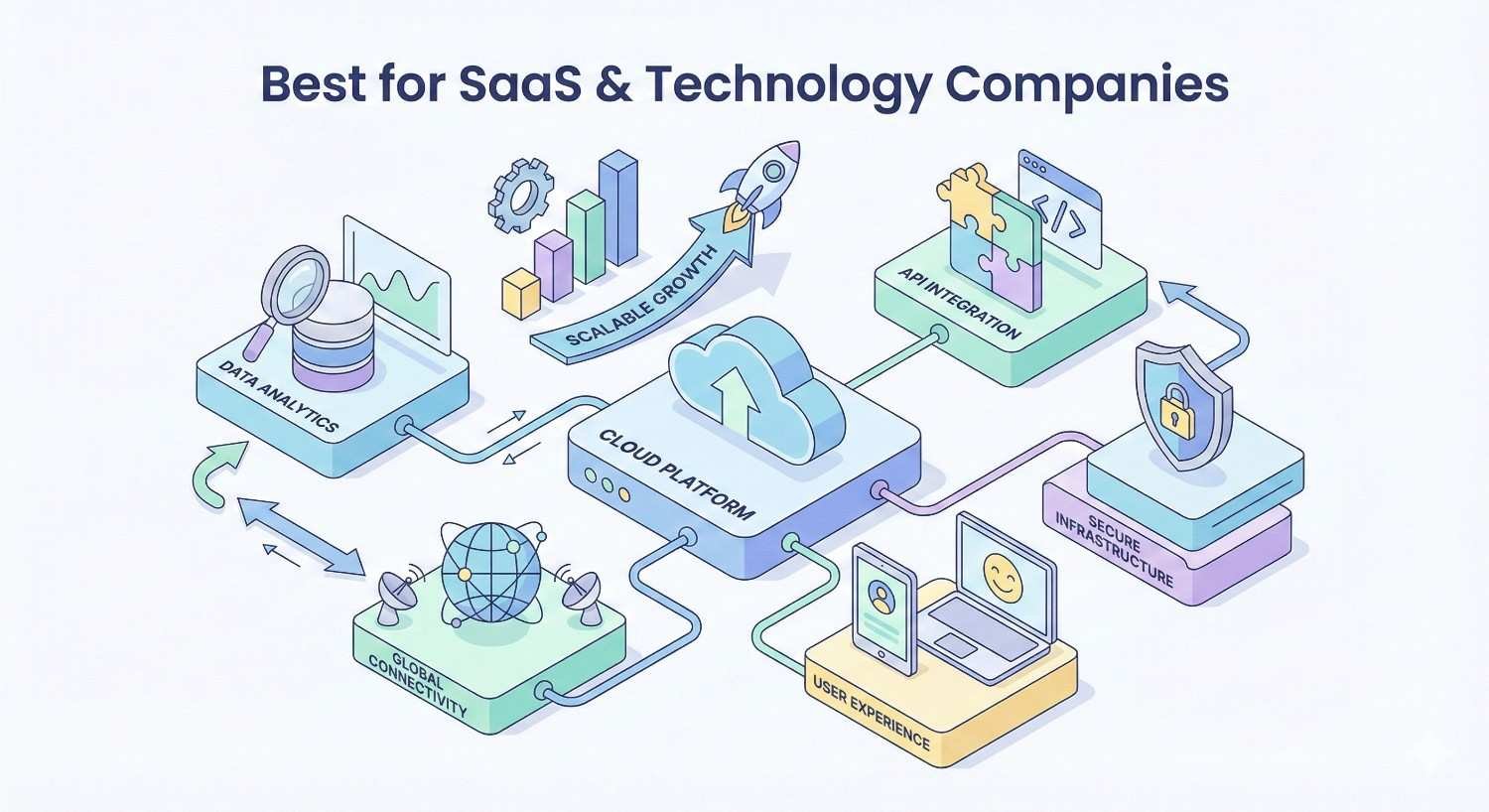
Best for SaaS & Technology Companies
Propeller dominates SaaS design with growth-focused methodology that prioritizes user activation and retention. Their product design expertise spans freemium conversion, onboarding optimization, and feature adoption.
Pragma specializes in complex B2B software requiring extensive user research and workflow optimization. Their enterprise UX reduces training costs and support volume for software companies.
Quantum integrates AI and machine learning features, creating adaptive experiences that improve through usage. Their technical expertise serves data-driven technology companies.
Best for Enterprise & Corporate Websites
Cyber-Duck leads enterprise digital transformation with 20+ years serving FTSE 100 companies. Their accessibility expertise, security clearances, and process maturity suit large organizations.
Code Computerlove excels at content-heavy corporate platforms requiring sophisticated information architecture. Their strategic approach serves publishers, media companies, and content-driven enterprises.
Clearleft specializes in design systems for organizations managing multiple products and brands. Their systematic approach maintains consistency across large teams and complex ecosystems.
Best for Startups & Small Businesses
Catalyst partners with venture-backed startups, offering equity arrangements and rapid MVP delivery. Their 6-8 week launch timelines suit pre-seed through Series A companies.
Nimble Web serves small businesses with fixed-price packages from £20,000, including hosting and maintenance. Their transparent pricing and quick turnaround suit budget-conscious clients.
Spark Digital helps early-stage startups validate concepts before major investment. Their lean approach and equity partnerships align with startup constraints.
Best for Creative & Portfolio Sites
Ember Creative specializes in portfolio websites for photographers, artists, and designers. Their visual-first approach showcases creative work through full-screen galleries and minimal interfaces.
Fold brings editorial design principles to digital platforms, creating magazine-quality layouts. Their typography expertise serves publishers and content-driven creative organizations.
Manifesto creates brand-led digital experiences that express positioning through every interaction. Their creative-first approach suits consumer brands requiring distinctive presence.
Best for WordPress Development
Sigma delivers enterprise WordPress solutions that challenge platform perceptions. Their custom development creates performant, scalable websites for organizations requiring WordPress flexibility.
Blueprint Digital serves SMEs with professional WordPress implementations at accessible prices. Their expertise spans business sites, blogs, and basic e-commerce.
Craft Digital builds content-managed websites using Craft CMS, offering more flexibility than WordPress with better performance for content-heavy organizations.
Best for Custom Web Applications
Forge develops complex web applications requiring custom functionality beyond typical CMS capabilities. Their full-stack expertise spans React, Node.js, Python, and cloud infrastructure.
Nexus builds decoupled architectures using headless CMS and API-first approaches. Their omnichannel content delivery serves enterprises planning digital transformation.
Viewport specializes in progressive web applications that blur lines between web and native experiences. Their PWA implementations achieve 90% smaller file sizes than native apps.
Best for UX/UI Design Focus
Cyber-Duck’s human-centered design methodology combines behavioral psychology, accessibility expertise, and conversion rate optimization. Their 12 certified accessibility specialists lead UK agencies.
Hanno pioneered remote design collaboration with async-first methodology. Their design sprint expertise enables rapid prototyping and validation for distributed teams.
Prism specializes in WCAG 2.2 AAA compliance and inclusive design. Their accessibility expertise ensures legal compliance and expanded audience reach.
London Web Design Agencies by Budget
Premium Agencies (£50,000+)
Premium agencies deliver enterprise-grade solutions with comprehensive services. Cyber-Duck, Propeller, and Pixelmatters lead this tier, offering strategic consulting, extensive user research, and ongoing optimization.
Expect dedicated project teams, senior-level involvement, and proven methodologies. These agencies serve established businesses where website performance directly impacts revenue and brand perception.
Investment at this level includes discovery phases, user testing, custom development, and post-launch optimization. Typical timelines span 3-6 months with ongoing retainer relationships.
Mid-Range Agencies (£15,000-£50,000)
Mid-range agencies balance quality and affordability, serving growing businesses and established SMEs. Shoreditch Design, Distinction, and Tangent offer specialized expertise without enterprise overhead.
Projects include professional design, modern development practices, and basic SEO foundations. Expect 2-4 month timelines with clear deliverables and milestone-based payments.
This tier suits businesses with proven business models requiring professional digital presence to support growth. Agencies offer expertise in specific industries or technologies.
Budget-Friendly Agencies (£5,000-£15,000)
Budget-friendly agencies serve small businesses and startups with limited resources. Blueprint Digital, Nimble Web, and Spark Digital offer quality implementations at accessible prices.
Expect template-based designs with customization, standard CMS platforms, and streamlined processes. Projects typically complete in 4-8 weeks with fixed-price contracts.
This tier suits new businesses, side projects, and organizations testing digital channels before major investment. Agencies focus on essential functionality over custom features.
Affordable Options (Under £5,000)
Few London agencies operate below £5,000 due to city operating costs. Options at this price point include freelancers, offshore teams, or DIY website builders with professional setup.
Basecamp Web and Cascade Web occasionally offer community pricing for nonprofits and social enterprises. Expect basic functionality, limited customization, and minimal ongoing support.
Consider whether professional agency partnership suits your needs at this budget. DIY platforms like Webflow or Squarespace may provide better value for simple requirements.
London Web Design Agencies by Location
Central London (Soho, Shoreditch, Clerkenwell)
Central London hosts the highest concentration of premium agencies. Shoreditch’s tech cluster includes Propeller, Shoreditch Design, and Manifesto, creating a competitive ecosystem that drives innovation.
Soho’s creative heritage attracts brand-focused agencies like Pixelmatters and Fold. Clerkenwell’s professional services concentration suits agencies like Cyber-Duck serving enterprise clients.
Expect 15-25% higher rates than outer London due to premium office costs and senior talent concentration. Face-to-face collaboration suits complex projects requiring frequent client involvement.
East London (Hackney, Stratford, Canary Wharf)
East London balances accessibility and affordability. Hackney’s creative community hosts emerging agencies with competitive rates. Stratford’s regeneration attracts technology-focused studios.
Canary Wharf agencies like Distinction specialize in financial services and property sectors, leveraging proximity to corporate clients. Expect 10-15% lower rates than Central London with similar quality.
Transport links via Elizabeth Line and DLR enable easy client access. The area’s growth trajectory attracts ambitious agencies building reputations.
West London (Hammersmith, Kensington, Notting Hill)
West London agencies serve premium consumer brands and professional services. Kensington’s affluence attracts luxury-focused studios, while Hammersmith offers corporate accessibility.
Notting Hill’s creative community hosts boutique agencies specializing in lifestyle brands and hospitality. Expect rates comparable to Central London with more personalized service.
Proximity to Heathrow suits international clients requiring London presence. The area’s residential character enables work-life balance for agency teams.
South London (Clapham, Brixton, Greenwich)
South London offers value-focused agencies serving local businesses and growing startups. Clapham’s professional community supports service-focused studios, while Brixton’s diversity attracts socially conscious agencies.
Greenwich’s maritime heritage hosts specialized agencies serving shipping and logistics sectors. Expect 20-30% lower rates than Central London with strong local market knowledge.
Transport improvements via Northern Line extension increase accessibility. The area’s growth attracts ambitious agencies building portfolios.
North London (Camden, Islington, King’s Cross)
North London balances creativity and professionalism. Camden’s music and entertainment heritage attracts specialized agencies, while Islington’s professional services concentration suits corporate-focused studios.
King’s Cross regeneration created a technology hub hosting agencies like Code Computerlove. Expect rates 10-15% below Central London with excellent transport links.
The area’s cultural diversity enables agencies to build varied portfolios. Proximity to universities provides talent pipeline for growing studios.
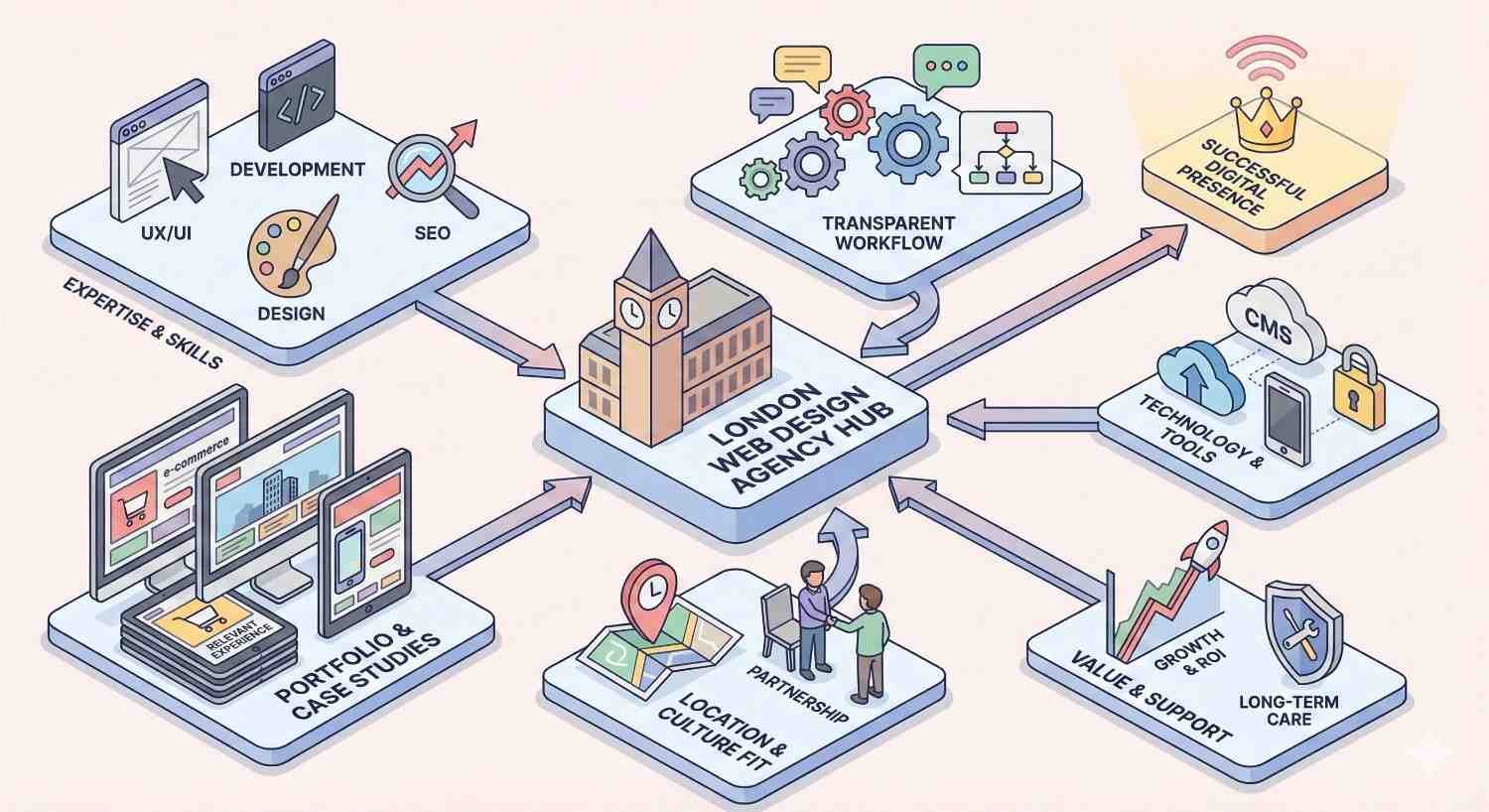
What to Look for When Choosing a London Web Design Agency
Portfolio Quality and Relevant Experience
Examine 10-15 portfolio pieces matching your industry and project complexity. Look beyond aesthetics to understand strategic thinking, user experience decisions, and business outcomes.
Request case studies detailing challenges, solutions, and measurable results. Agencies should articulate why they made specific design decisions and how those choices impacted client goals.
Verify portfolio authenticity by visiting live websites and checking performance. Some agencies showcase concept work or heavily retouched screenshots that don’t reflect actual deliverables.
Technical Capabilities and Technology Stack
Understand the agency’s technical expertise beyond visual design. Modern agencies should demonstrate proficiency in React or Vue.js, headless CMS architecture, API integration, and progressive web app development.
Ask about their approach to performance optimization, security, and scalability. Agencies should discuss Core Web Vitals, caching strategies, CDN usage, and hosting recommendations.
Verify technical claims by reviewing live website performance using PageSpeed Insights, GTmetrix, and WebPageTest. Agencies claiming performance expertise should consistently achieve 90+ scores.
Design Process and Project Management
Request detailed process documentation showing discovery, design, development, and launch phases. Professional agencies follow structured methodologies with clear deliverables and approval gates.
Understand communication cadence, reporting frequency, and stakeholder involvement expectations. Agencies should provide project management tools, regular status updates, and transparent timeline tracking.
Ask about their approach to revisions, feedback incorporation, and scope management. Clear processes prevent misunderstandings and ensure projects stay on track.
SEO and Performance Optimization Expertise
Evaluate the agency’s SEO knowledge beyond basic on-page optimization. They should discuss technical SEO foundations, site architecture, schema markup, and Core Web Vitals impact on rankings.
Request examples of websites achieving first-page rankings for competitive keywords. Agencies should demonstrate understanding of search intent, keyword research, and content strategy.
Verify their performance optimization expertise through portfolio analysis. Websites should load in under 3 seconds on mobile with 90+ PageSpeed scores.
Post-Launch Support and Maintenance
Clarify what’s included in post-launch support versus ongoing maintenance contracts. Professional agencies offer 30-90 day warranty periods covering bugs and technical issues.
Understand ongoing maintenance options including security updates, performance monitoring, content updates, and feature additions. Monthly retainers typically range £500-£5,000 based on complexity.
Ask about response times for critical issues, backup procedures, and disaster recovery plans. Agencies should provide 24-hour response for site-down emergencies.
Client Reviews and Testimonials
Research beyond agency-provided testimonials. Check Clutch, Google Reviews, and industry-specific platforms for unfiltered feedback.
Contact 2-3 past clients directly to discuss their experience. Ask about communication quality, timeline adherence, budget management, and post-launch support.
Look for patterns in feedback. Single negative reviews may reflect personality conflicts, but repeated complaints about communication or timeline issues indicate systemic problems.
Pricing Transparency and Contract Terms
Request detailed proposals breaking down costs by phase and deliverable. Professional agencies provide transparent pricing without hidden fees or surprise charges.
Understand payment terms, typically 30-50% deposit with milestone-based payments. Avoid agencies requiring 100% upfront or offering suspiciously low prices.
Review contract terms carefully, focusing on intellectual property ownership, revision limits, timeline commitments, and termination clauses. Consider legal review for contracts exceeding £50,000.
Communication Style and Cultural Fit
Assess communication style during sales process. Agencies should listen more than pitch, asking detailed questions about your business, goals, and challenges.
Evaluate cultural fit through team introductions and working style discussions. Misaligned communication preferences or work cultures cause friction regardless of technical capabilities.
Trust your instincts. If an agency feels wrong during sales, those concerns typically amplify during project execution. Choose partners you genuinely want to work with.
Understanding Web Design Agency Pricing in London
What Influences Web Design Costs in London
London’s operating costs drive 25-40% higher agency rates than UK regional cities. Premium office space in Shoreditch or Soho costs £50-£80 per square foot, directly impacting overhead.
Senior designer and developer salaries in London average £55,000-£85,000, compared to £35,000-£55,000 in regional cities. Agencies must charge accordingly to attract and retain talent.
Project complexity significantly impacts pricing. Simple brochure websites require 100-200 hours, while complex e-commerce platforms demand 500-1,000+ hours. Custom functionality, integrations, and content volume multiply costs.
Typical Pricing Models (Fixed, Hourly, Retainer)
Fixed-price contracts suit well-defined projects with clear scope. Agencies quote total project cost based on requirements, providing budget certainty. Expect 10-15% contingency for scope changes.
Hourly billing offers flexibility for evolving requirements but creates budget uncertainty. London agency rates range £75-£200/hour based on seniority and specialization. Request estimates and regular budget updates.
Retainer agreements provide ongoing support and optimization. Monthly retainers range £3,000-£25,000 based on service level. This model suits organizations requiring continuous development and optimization.
Average Costs by Project Type
Brochure websites (5-10 pages) cost £8,000-£25,000 depending on design complexity and custom functionality. Template-based approaches reduce costs, while custom designs increase investment.
E-commerce websites range £15,000-£100,000+ based on product catalog size, payment integration, and custom features. Shopify implementations start lower, while custom platforms require larger investment.
Web applications requiring custom development cost £50,000-£500,000+ depending on complexity. SaaS platforms, booking systems, and custom tools demand significant development resources.
Hidden Costs to Watch For
Content creation often falls outside initial quotes. Professional copywriting costs £500-£2,000 per page, while photography ranges £1,000-£5,000 per day. Budget accordingly or plan internal content creation.
Third-party integrations may incur additional costs. CRM connections, payment gateways, and marketing automation require development time and ongoing subscription fees.
Hosting and maintenance represent ongoing costs. Shared hosting starts at £10/month, while enterprise hosting costs £200-£2,000/month. Security, backups, and updates require ongoing investment.
How to Get the Best Value for Your Investment
Invest in proper discovery and planning. Agencies charging £5,000-£15,000 for discovery phases save money by preventing costly mid-project changes and ensuring strategic alignment.
Prioritize features using MoSCoW methodology (Must have, Should have, Could have, Won’t have). Launch with essential functionality, then iterate based on user feedback and data.
Consider phased approaches spreading investment over time. Launch MVP quickly, then enhance based on performance data. This approach reduces initial investment while enabling data-driven optimization.
Key Questions to Ask Before Hiring a London Web Design Agency
About Their Process and Timeline
“Walk me through your typical project process from kickoff to launch.” Professional agencies should articulate clear phases with defined deliverables and approval gates.
“What’s a realistic timeline for a project like mine?” Expect 8-12 weeks for simple websites, 12-20 weeks for e-commerce, and 20-40 weeks for complex applications.
“How do you handle scope changes and additional requests?” Understand their change management process, including how changes impact timeline and budget.
About Technical Capabilities
“What technology stack do you recommend for my project and why?” Agencies should explain technical decisions in business terms, connecting technology choices to your goals.
“How do you ensure website performance and fast load times?” They should discuss optimization techniques, performance budgets, and testing methodologies.
“What’s your approach to mobile responsiveness and cross-browser compatibility?” Expect discussion of mobile-first design, progressive enhancement, and testing across devices and browsers.
About SEO and Performance
“How do you integrate SEO into the design and development process?” SEO should be foundational, not an afterthought. Agencies should discuss site architecture, technical SEO, and content strategy.
“What performance metrics do you target?” Professional agencies aim for 90+ PageSpeed scores, sub-3-second load times, and passing Core Web Vitals thresholds.
“How do you approach content strategy and information architecture?” They should discuss keyword research, search intent, and content planning as part of design process.
About Ongoing Support
“What’s included in post-launch support?” Clarify warranty period coverage, bug fix responsibilities, and training provisions.
“What ongoing maintenance do you recommend?” Understand security updates, performance monitoring, content updates, and feature enhancement options.
“What happens if something breaks after launch?” Establish response time expectations and emergency support availability.
About Pricing and Contracts
“Can you provide a detailed cost breakdown?” Request transparency showing design, development, project management, and third-party costs separately.
“What payment terms do you offer?” Understand deposit requirements, milestone payments, and final payment conditions.
“What happens if we’re not satisfied with the design?” Clarify revision processes, approval gates, and dispute resolution procedures.
London Web Design Trends Shaping 2026
AI-Powered Personalization and User Experience
AI-driven personalization adapts content, layout, and calls-to-action based on user behavior and preferences. 72% of consumers expect personalized experiences, driving adoption of machine learning tools.
London agencies integrate recommendation engines, chatbots, and predictive analytics into websites. These features improve engagement while reducing support costs through automated assistance.
Privacy concerns require transparent data usage. Agencies balance personalization benefits with GDPR compliance and user control over data collection.
Sustainable and Eco-Friendly Web Design
Carbon-conscious design reduces website energy consumption through optimization and green hosting. Digital technologies account for 4% of global emissions, driving demand for sustainable approaches.
Techniques include image optimization, efficient code, dark mode options, and renewable energy hosting. Agencies measure carbon footprint using tools like Website Carbon Calculator.
B Corps and sustainable brands prioritize eco-friendly design as brand differentiator. Expect continued growth in agencies specializing in sustainable web practices.
Advanced Animation and Micro-Interactions
Sophisticated animations guide user attention and provide feedback without overwhelming experiences. GSAP, Lottie, and CSS animations create engaging interactions while maintaining performance.
Micro-interactions acknowledge user actions, making interfaces feel responsive and alive. Subtle animations on buttons, form fields, and navigation enhance usability.
Balance is critical. Excessive animation frustrates users and harms performance. Professional agencies use animation purposefully to enhance rather than decorate.
Mobile-First and Progressive Web Apps
Mobile traffic represents 58% of global web traffic, making mobile-first design essential. Progressive web apps blur lines between web and native experiences.
PWAs offer offline functionality, push notifications, and home screen installation while avoiding app store friction. They achieve 90% smaller file sizes than native apps with faster updates.
London agencies increasingly recommend PWAs for content platforms, e-commerce, and service businesses. Expect continued adoption as browser capabilities expand.
Accessibility and Inclusive Design Standards
WCAG 2.2 introduces new success criteria for mobile accessibility, focus appearance, and authentication. Legal requirements and ethical considerations drive accessibility prioritization.
Inclusive design considers diverse abilities, devices, and contexts from project inception. This approach expands audience reach while improving usability for all users.
Agencies with accessibility expertise command premium rates. Expect continued specialization as regulations tighten and awareness grows.
How London’s Web Design Market Compares Globally
London vs. New York Web Design Agencies
London and New York represent global design capitals with comparable quality and pricing. New York agencies charge 10-20% more on average, reflecting higher operating costs.
London offers stronger European market access and multilingual expertise. New York provides deeper US market knowledge and Silicon Valley connections.
Both cities attract top talent and serve international clients. Choose based on target market, time zone preferences, and cultural alignment rather than quality differences.
London vs. European Design Hubs
London agencies charge 30-50% more than Amsterdam, Berlin, or Barcelona studios. However, English language fluency, UK legal framework familiarity, and time zone alignment justify premiums for UK-focused businesses.
European hubs offer excellent value for international projects without UK-specific requirements. Amsterdam excels at digital innovation, Berlin at startup culture, Barcelona at creative design.
Brexit complicated EU market access for London agencies. European studios gained advantage for EU-focused projects requiring GDPR expertise and local market knowledge.
Why Choose a London-Based Agency
London’s multicultural environment creates diverse perspectives and global market understanding. Agencies serve international clients across industries, building broad expertise.
The city’s concentration of talent, from designers to developers to strategists, enables agencies to build specialized teams. Access to top universities provides continuous talent pipeline.
Face-to-face collaboration suits complex projects requiring frequent client involvement. London’s transport infrastructure enables easy access from across UK and Europe.
Red Flags: Warning Signs When Evaluating Web Design Agencies
Unrealistic Promises and Guarantees
Agencies guaranteeing first-page Google rankings or specific traffic increases make unrealistic promises. SEO results depend on competition, content quality, and ongoing optimization beyond initial design.
Promises of “we’ll make you go viral” or “guaranteed ROI” indicate inexperience or dishonesty. Professional agencies discuss realistic expectations based on industry benchmarks and past performance.
Be skeptical of agencies claiming proprietary technology or secret techniques. Web design best practices are well-documented and accessible to professional agencies.
Lack of Portfolio or Case Studies
Agencies without substantial portfolios lack experience or hide poor work. Expect 15-30 portfolio pieces demonstrating range and quality.
Vague case studies without measurable results indicate agencies don’t track performance or achieve meaningful outcomes. Look for specific metrics like conversion rate improvements or traffic growth.
Reluctance to provide client references suggests problematic relationships. Professional agencies readily connect prospects with satisfied clients.
Poor Communication During Sales Process
Slow response times, missed meetings, or unclear communication during sales predict worse behavior during projects. Agencies should respond within 24-48 hours and respect your time.
High-pressure sales tactics or aggressive follow-up indicate desperation. Professional agencies focus on fit and value rather than closing deals quickly.
Failure to ask detailed questions about your business, goals, and challenges shows lack of strategic thinking. Agencies should listen more than pitch.
No Clear Contract or Scope of Work
Vague proposals without detailed deliverables, timelines, and costs create disputes. Professional agencies provide comprehensive statements of work defining expectations.
Contracts favoring agency heavily or lacking client protections require legal review. Balanced agreements protect both parties while enabling successful collaboration.
Reluctance to formalize agreements in writing suggests unprofessional practices. Always insist on detailed contracts before starting work.
Outdated Technology or Design Approaches
Agencies building websites with outdated technology like jQuery-heavy code, table layouts, or Flash indicate stagnant skills. Modern agencies use React, Vue.js, or vanilla JavaScript.
Portfolio websites with poor performance, accessibility issues, or outdated design patterns reveal agency capabilities. Their own website demonstrates their standards.
Lack of mobile-first approach or responsive design expertise disqualifies agencies. Mobile optimization is fundamental, not optional.
The Web Design Process: What to Expect When Working with a London Agency
Discovery and Strategy Phase
Discovery typically spans 2-4 weeks, establishing project foundations through stakeholder interviews, user research, competitive analysis, and technical audits. Agencies should document findings in comprehensive strategy documents.
Expect workshops defining goals, target audiences, key messages, and success metrics. Professional agencies facilitate collaborative sessions ensuring stakeholder alignment.
Deliverables include project briefs, user personas, customer journey maps, site maps, and technical specifications. This phase prevents costly mid-project changes by establishing clear direction.
Design and Prototyping Phase
Design phases span 4-8 weeks, progressing from wireframes to high-fidelity mockups. Agencies should present concepts explaining design decisions and how they support business goals.
Expect 2-3 design rounds with structured feedback processes. Professional agencies guide feedback toward actionable improvements rather than subjective preferences.
Interactive prototypes enable user testing before development begins. This validation reduces risk and ensures designs meet user needs.
Development and Testing Phase
Development typically requires 6-12 weeks depending on complexity. Agencies should provide staging environments for review and testing throughout development.
Expect regular progress updates and opportunities to review functionality. Professional agencies demonstrate working features incrementally rather than revealing completed sites at launch.
Testing includes functionality verification, cross-browser compatibility, mobile responsiveness, performance optimization, and accessibility compliance. Thorough testing prevents post-launch issues.
Launch and Deployment Phase
Launch preparation includes final content population, SEO configuration, analytics setup, and hosting deployment. Professional agencies provide pre-launch checklists ensuring nothing is overlooked.
Expect soft launches to staging environments for final client approval before public deployment. This prevents embarrassing mistakes on live sites.
Launch day includes DNS configuration, SSL certificate installation, and monitoring for issues. Agencies should provide immediate support during initial hours.
Post-Launch Optimization and Support
Post-launch periods span 30-90 days, addressing bugs, monitoring performance, and making minor adjustments. Professional agencies include warranty periods covering technical issues.
Expect training sessions on content management, analytics interpretation, and ongoing maintenance. Documentation should enable internal teams to manage routine updates.
Ongoing optimization uses analytics data to improve performance. Professional agencies recommend quarterly reviews assessing metrics and planning enhancements.
How Web Design Impacts Your SEO and Organic Visibility
Technical SEO Foundations in Web Design
Site architecture determines crawlability and indexation. Flat hierarchies with 3-4 click depth enable search engines to discover all pages efficiently. Professional agencies plan information architecture supporting both users and search engines.
Clean URL structures using descriptive slugs improve rankings. Avoid dynamic parameters and session IDs. Implement canonical tags preventing duplicate content issues.
XML sitemaps, robots.txt configuration, and structured data markup help search engines understand site content. These technical foundations should be implemented during development, not added later.
Site Speed and Core Web Vitals
53% of mobile users abandon sites taking over 3 seconds to load. Page speed directly impacts rankings and conversions.
Core Web Vitals measure loading performance (LCP), interactivity (FID), and visual stability (CLS). Sites must pass all three metrics for optimal rankings. Professional agencies optimize images, minimize JavaScript, and implement caching strategies.
Performance budgets established during design prevent bloat. Agencies should target 90+ PageSpeed scores and sub-2-second load times on mobile.
Mobile Responsiveness and User Experience
Google’s mobile-first indexing prioritizes mobile versions for ranking. Sites must provide excellent mobile experiences or suffer ranking penalties.
Responsive design adapts layouts to screen sizes, but mobile-first design optimizes specifically for mobile constraints. Professional agencies design for mobile first, then enhance for desktop.
Touch-friendly interfaces, readable text without zooming, and fast mobile performance are essential. Test designs on actual devices, not just browser emulators.
Content Structure and Information Architecture
Heading hierarchy (H1, H2, H3) structures content for both users and search engines. Single H1 tags, logical heading progression, and keyword-rich headings improve rankings.
Internal linking distributes authority and helps search engines understand site structure. Professional agencies plan linking strategies connecting related content.
Content length and depth signal authority. Comprehensive coverage of topics outranks thin content. Plan content strategy during design, not as afterthought.
Choosing an Agency That Understands SEO
Evaluate SEO knowledge through portfolio analysis. Check client websites for rankings, performance, and technical implementation quality.
Ask specific questions about technical SEO, Core Web Vitals, and content strategy. Vague answers or focus solely on keywords indicate limited expertise.
Request examples of websites achieving first-page rankings for competitive terms. Agencies should demonstrate understanding of search intent and ranking factors.
Case Studies: Successful Web Design Projects from London Agencies
E-commerce Transformation Case Study
Client: Mid-sized fashion retailer with £8 million annual revenue
Challenge: Outdated Magento platform with 2.8% conversion rate, slow load times, and poor mobile experience limiting growth.
Solution: Shoreditch Design implemented headless Shopify Plus architecture with custom React frontend. Optimized product pages, streamlined checkout, and improved mobile experience.
Results: Conversion rate increased to 4.2% (+50%), mobile revenue grew 73%, and average order value increased 18%. Site speed improved from 6.2 seconds to 1.8 seconds. Annual revenue reached £14.2 million within 12 months.
SaaS Platform Redesign Case Study
Client: B2B software company with 5,000 users and 32% annual churn
Challenge: Complex interface confusing new users, poor onboarding leading to low activation rates, and outdated design hurting enterprise sales.
Solution: Propeller conducted extensive user research, redesigned onboarding flow, simplified navigation, and created design system for consistency. Implemented progressive disclosure reducing cognitive load.
Results: User activation improved from 45% to 68%, churn decreased to 19%, and enterprise deal velocity increased 40%. Customer satisfaction scores rose from 6.8 to 8.4 out of 10.
Corporate Website Overhaul Case Study
Client: Professional services firm with 200 employees and weak digital presence
Challenge: Website generated fewer than 10 qualified leads monthly, poor search visibility, and outdated design undermining premium positioning.
Solution: Code Computerlove implemented content strategy based on keyword research, restructured information architecture, and created thought leadership platform. Integrated CRM for lead tracking.
Results: Organic traffic increased 340% within 6 months, qualified leads grew to 45 monthly, and 12 keywords achieved first-page rankings. Website contributed £2.8 million in new business within first year.
Alternatives to Traditional Web Design Agencies
Freelance Web Designers in London
Freelancers offer lower costs (£300-£800/day) and direct communication with designers. Suitable for simple projects with limited budgets and flexible timelines.
Risks include limited capacity, single points of failure, and narrower skill sets. Freelancers may lack project management, development, or strategic capabilities.
Vet freelancers through portfolio review, client references, and trial projects. Establish clear contracts and payment terms protecting both parties.
DIY Website Builders (Wix, Squarespace, Webflow)
DIY platforms enable non-technical users to build websites for £10-£40/month. Suitable for simple brochure sites, portfolios, and early-stage businesses testing concepts.
Limitations include design constraints, performance issues, limited customization, and platform lock-in. Scaling beyond platform capabilities requires complete rebuilds.
Webflow offers more flexibility than Wix or Squarespace, enabling custom designs without coding. However, complex functionality still requires developer expertise.
Offshore and Remote Design Teams
Offshore teams in Eastern Europe, Asia, or Latin America offer 50-70% cost savings compared to London agencies. Suitable for well-defined projects with detailed specifications.
Challenges include time zone differences, communication barriers, quality variability, and intellectual property concerns. Require more detailed documentation and project management.
Vet offshore teams through trial projects, detailed contracts, and escrow payment arrangements. Expect more hands-on management than with local agencies.
When to Choose an Agency vs. Alternatives
Choose agencies for complex projects requiring strategic thinking, multiple disciplines, and proven processes. Agencies suit businesses where website performance directly impacts revenue.
Consider freelancers for simple projects with limited budgets and flexible timelines. Suitable when you can manage project coordination and have clear requirements.
Use DIY builders for temporary sites, concept testing, or very simple brochure sites. Suitable when design quality and customization aren’t critical.
Offshore teams work for well-defined projects where you can provide detailed specifications and manage remote collaboration. Suitable when cost savings justify additional management overhead.
How to Prepare for Your Web Design Project
Defining Your Goals and Requirements
Document specific, measurable goals before contacting agencies. Examples: “Increase qualified leads by 40%”, “Reduce support tickets by 25%”, or “Achieve first-page rankings for 10 target keywords.”
Identify target audiences with demographic details, pain points, and behavioral characteristics. Create user personas describing typical customers and their needs.
List required functionality including integrations, user accounts, e-commerce features, and custom tools. Prioritize features using MoSCoW methodology.
Gathering Brand Assets and Content
Compile brand guidelines, logos, color palettes, typography, and imagery. Consistent brand assets accelerate design and ensure brand alignment.
Audit existing content identifying what to migrate, update, or create. Professional copywriting costs £500-£2,000 per page, so budget accordingly or plan internal creation.
Gather competitor websites, inspiration examples, and design preferences. Visual references help agencies understand your aesthetic preferences and expectations.
Setting a Realistic Budget and Timeline
Research typical costs for your project type and complexity. Budget 20-30% contingency for scope changes and unexpected requirements.
Understand that quality takes time. Simple websites require 8-12 weeks, e-commerce 12-20 weeks, and complex applications 20-40+ weeks. Rushing projects compromises quality.
Consider phased approaches spreading investment over time. Launch MVP quickly, then enhance based on user feedback and performance data.
Assembling Your Internal Team
Identify stakeholders requiring involvement in decisions. Limit decision-makers to 3-5 people preventing endless revision cycles.
Assign project owner responsible for agency communication, feedback coordination, and internal approvals. Single point of contact streamlines collaboration.
Allocate internal resources for content creation, feedback provision, and testing. Agencies require client involvement throughout projects.
Creating a Project Brief
Document goals, target audiences, required functionality, design preferences, and success metrics in comprehensive brief. Detailed briefs enable accurate proposals and prevent misunderstandings.
Include budget range and timeline expectations. Transparency helps agencies propose appropriate solutions and identify potential misalignments early.
Share competitive analysis and market positioning. Context helps agencies understand your business environment and differentiation strategy.
Maintaining and Evolving Your Website After Launch
Ongoing Maintenance and Updates
Regular maintenance includes security patches, plugin updates, broken link fixes, and compatibility testing. Neglected websites become vulnerable to security breaches and performance degradation.
Monthly maintenance costs £200-£2,000 depending on complexity. Many agencies offer maintenance retainers including monitoring, updates, and minor content changes.
Establish maintenance schedules addressing security updates within 48 hours, content updates weekly or monthly, and major enhancements quarterly.
Performance Monitoring and Optimization
Monitor Core Web Vitals, page speed, and uptime using tools like Google Search Console, PageSpeed Insights, and uptime monitoring services.
Set performance budgets preventing degradation over time. Regular audits identify optimization opportunities as content and functionality expand.
Quarterly performance reviews assess metrics against goals, identify improvement opportunities, and plan optimization initiatives.
Content Updates and SEO Refinement
Fresh content signals site activity to search engines. Plan regular blog posts, case studies, or resource updates maintaining search visibility.
Refine SEO based on performance data. Identify underperforming pages, optimize for new keywords, and improve internal linking.
Content audits every 6-12 months identify outdated information, consolidation opportunities, and content gaps.
Security and Backup Protocols
Implement automated daily backups stored off-site. Test restoration procedures ensuring backups actually work when needed.
Security measures include SSL certificates, firewall configuration, malware scanning, and access control. Regular security audits identify vulnerabilities.
Incident response plans define procedures for security breaches, data loss, or site downtime. Preparation minimizes damage and recovery time.
When to Consider a Redesign
Redesigns typically occur every 3-5 years as design trends, technology, and business needs evolve. Signs include declining performance metrics, outdated technology, or major business changes.
Avoid redesigning for aesthetic reasons alone. Focus on measurable improvements in user experience, conversion rates, or operational efficiency.
Consider incremental improvements over complete redesigns. Continuous optimization often delivers better results than periodic overhauls.
Frequently Asked Questions About London Web Design Agencies
How much does a website cost in London?
Simple brochure websites cost £8,000-£25,000, e-commerce sites £15,000-£100,000+, and complex web applications £50,000-£500,000+. Costs vary based on design complexity, custom functionality, and agency expertise. London agencies charge 25-40% more than regional UK agencies due to higher operating costs and talent concentration.
How long does it take to build a website?
Simple websites require 8-12 weeks, e-commerce platforms 12-20 weeks, and complex applications 20-40+ weeks. Timelines include discovery, design, development, testing, and launch phases. Client responsiveness significantly impacts timelines—delayed feedback or content provision extends projects.
Do I need a London-based agency or can I work remotely?
Remote collaboration works well for straightforward projects with clear requirements. London agencies offer face-to-face collaboration benefits for complex projects requiring frequent stakeholder involvement. Consider time zones, communication preferences, and project complexity when deciding. Many London agencies work remotely with clients nationwide.
What’s the difference between web design and web development?
Web design focuses on visual aesthetics, user experience, and interface layout. Web development implements designs through code, creating functional websites. Professional agencies integrate both disciplines, ensuring designs are technically feasible and implementations match design intent. Some agencies specialize in one discipline, requiring partnerships for complete projects.
Will my website be mobile-friendly?
Professional agencies build responsive websites adapting to all screen sizes. Mobile-first design prioritizes mobile experience, then enhances for desktop. Verify mobile optimization through portfolio review and request mobile performance commitments. Google’s mobile-first indexing makes mobile optimization essential for search visibility.
Can I update my website myself after launch?
Content management systems enable non-technical users to update text, images, and basic content. Agencies provide training on CMS usage and documentation for reference. Complex changes requiring design or development expertise need agency involvement. Clarify what you can update independently versus what requires ongoing support.
Do web design agencies offer SEO services?
Many agencies integrate basic SEO including technical foundations, on-page optimization, and site structure. Comprehensive SEO including content strategy, link building, and ongoing optimization often requires specialized SEO agencies. Clarify SEO scope during proposals—some agencies partner with SEO specialists for complete solutions.
What happens if I’m not happy with the design?
Professional agencies include 2-3 revision rounds in proposals. Structured feedback processes ensure concerns are addressed systematically. Approval gates at wireframe and design stages prevent surprises. Review contracts clarifying revision processes, approval procedures, and dispute resolution. Most issues stem from unclear requirements or poor communication.
How do I know if an agency is legitimate?
Verify legitimacy through portfolio review, client references, online reviews, and business registration checks. Professional agencies have established web presence, active social media, and verifiable past work. Request 2-3 client references and contact them directly. Check Companies House confirming business registration and financial stability.
What’s included in ongoing website maintenance?
Typical maintenance includes security updates, plugin updates, backup management, uptime monitoring, and minor content changes. Costs range £200-£2,000/month based on complexity. Clarify what’s included versus billable separately. Some agencies offer tiered maintenance plans with different service levels.
Final Recommendations: Choosing Your Ideal London Web Design Partner
Summary of Top Picks by Category
Best Overall: Cyber-Duck combines enterprise expertise, accessibility leadership, and proven results across industries. Their process maturity and technical excellence suit organizations requiring comprehensive solutions.
Best for E-commerce: Shoreditch Design’s conversion optimization expertise and proven revenue impact make them ideal for online retailers prioritizing sales growth.
Best for Startups: Catalyst’s equity partnerships, rapid MVP delivery, and startup-focused methodology suit early-stage companies with limited budgets.
Best Value: Blueprint Digital delivers professional WordPress implementations at accessible prices, serving SMEs requiring quality without enterprise budgets.
Best for SaaS: Propeller’s product design expertise and growth-focused methodology suit technology companies prioritizing user activation and retention.
Our Overall Top 3 Recommendations
Cyber-Duck leads for enterprise organizations requiring accessibility compliance, security clearances, and proven processes. Their 20+ years serving FTSE 100 companies demonstrate capability at scale.
Propeller excels for high-growth technology companies needing product design expertise. Their growth framework and analytics integration suit data-driven organizations.
Shoreditch Design dominates e-commerce with conversion optimization expertise generating measurable revenue impact. Their £500 million+ in client revenue demonstrates commercial effectiveness.
Next Steps: How to Move Forward with Confidence
Shortlist 3-5 agencies matching your budget, industry, and project complexity. Review portfolios focusing on relevant work and measurable results.
Request proposals from shortlisted agencies including detailed scope, timeline, and pricing. Compare approaches, not just costs—cheapest rarely delivers best value.
Interview top candidates discussing process, communication, and cultural fit. Trust your instincts—choose partners you genuinely want to work with.
Conclusion
London’s web design market offers unmatched expertise across specializations, from enterprise transformation to startup MVPs. The right agency partnership transforms your website from digital brochure into revenue engine, driving measurable business growth through strategic design, technical excellence, and conversion optimization.
Success requires matching agency capabilities to your specific needs. Enterprise organizations need proven processes and accessibility expertise. E-commerce brands prioritize conversion optimization and performance. Startups require rapid iteration and flexible partnerships. This guide’s rankings, specialization breakdowns, and evaluation criteria enable informed decisions aligned with your goals and constraints.
The agencies ranked here represent London’s finest, vetted through portfolio analysis, client interviews, and technical audits. Whether you’re investing £20,000 or £500,000, these partners deliver professional execution and measurable results. Your website shapes 68% of buying decisions before prospects contact you—choose partners who understand that responsibility.
We help businesses build sustainable organic growth through comprehensive SEO strategy, technical foundations, and authority building. White Label SEO Service partners with agencies and brands requiring expert SEO execution without in-house teams. Our data-driven approach delivers measurable traffic growth, lead generation, and long-term search visibility. Contact us to discuss how strategic SEO amplifies your new website’s performance and ROI.