SEMrush transforms link building from guesswork into a data-driven process that delivers measurable results. The platform combines backlink analytics, competitor intelligence, and outreach management into one toolkit that streamlines every stage of link acquisition.
Building quality backlinks remains one of the most challenging aspects of SEO. Without the right tools, you waste hours on prospects that never convert.
This guide covers everything from initial backlink audits to advanced outreach strategies, helping you build sustainable link profiles that improve rankings.
What is SEMrush Link Building Toolkit?
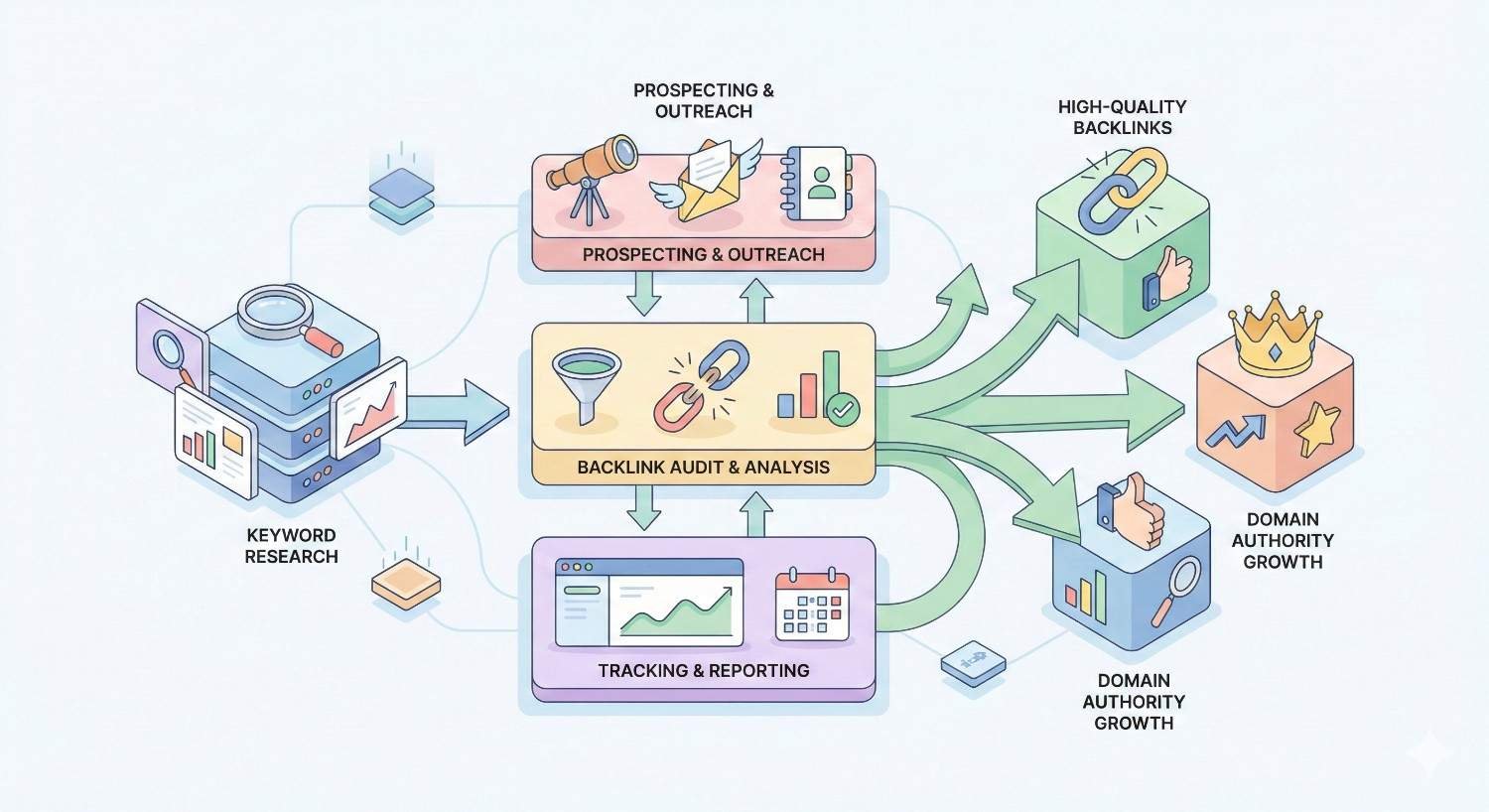
SEMrush’s Link Building Toolkit is an integrated suite of tools designed to help SEO professionals and marketers discover, analyze, and acquire high-quality backlinks. The toolkit combines prospecting, outreach, and monitoring capabilities within a single platform, eliminating the need to switch between multiple tools during link building campaigns.
The toolkit operates on SEMrush’s extensive backlink database, which indexes over 43 trillion backlinks across the web. This data foundation powers every feature, from competitor analysis to prospect discovery, giving users access to comprehensive link intelligence that informs strategic decisions.
Core Link Building Tools in SEMrush
SEMrush organizes its link building capabilities into several interconnected tools:
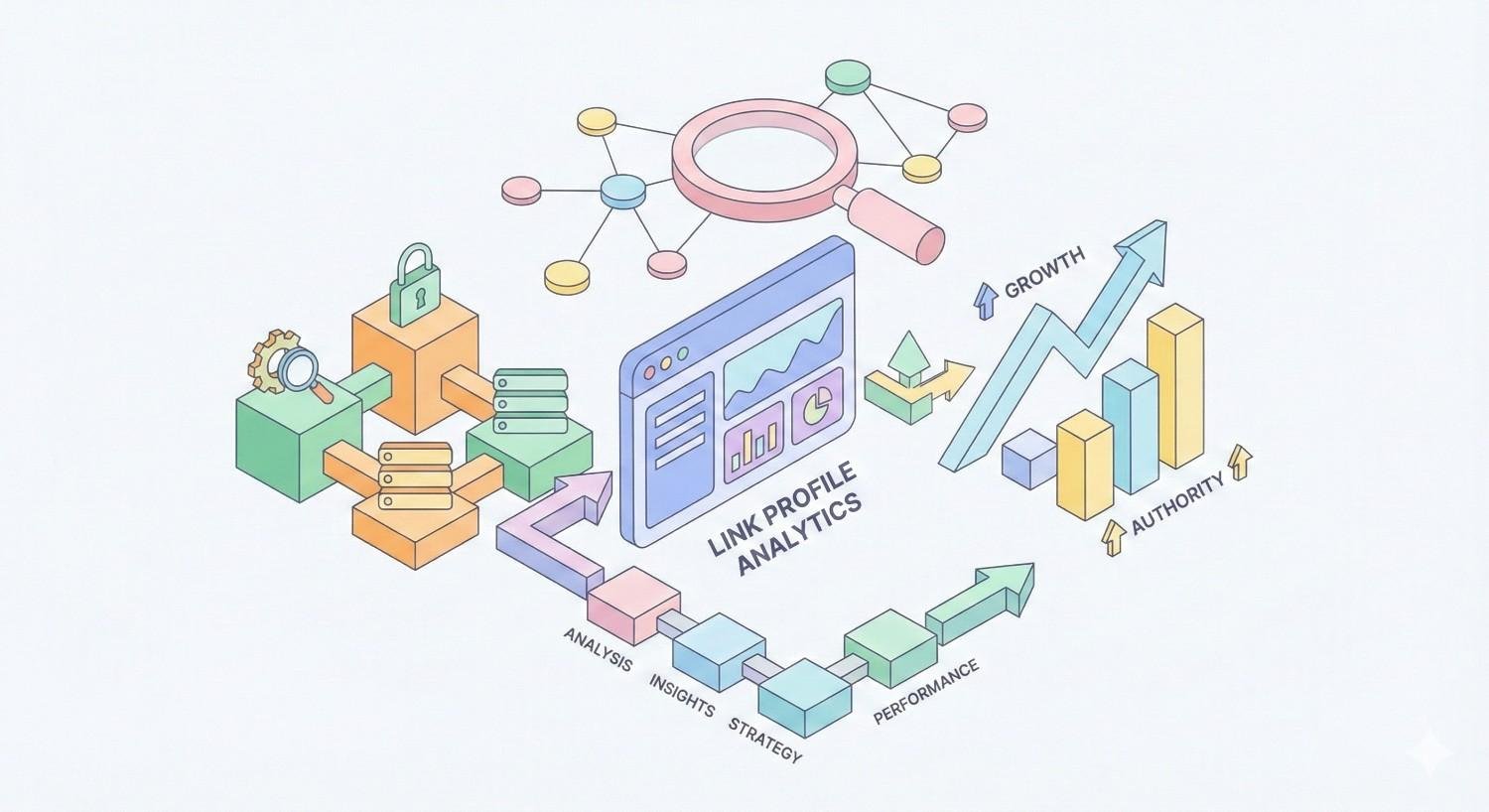
Backlink Analytics provides deep analysis of any domain’s link profile. You can examine referring domains, anchor text distribution, link attributes, and historical trends. The tool reveals which pages attract the most links and identifies patterns in successful link acquisition.
Backlink Audit scans your link profile for potentially harmful links. It assigns toxicity scores based on multiple factors and helps you create disavow files when necessary. Regular audits protect your site from algorithmic penalties.
Link Building Tool manages the entire outreach process. It discovers prospects based on your target keywords, tracks outreach status, and monitors acquired links. The CRM-style interface keeps campaigns organized from first contact to link placement.
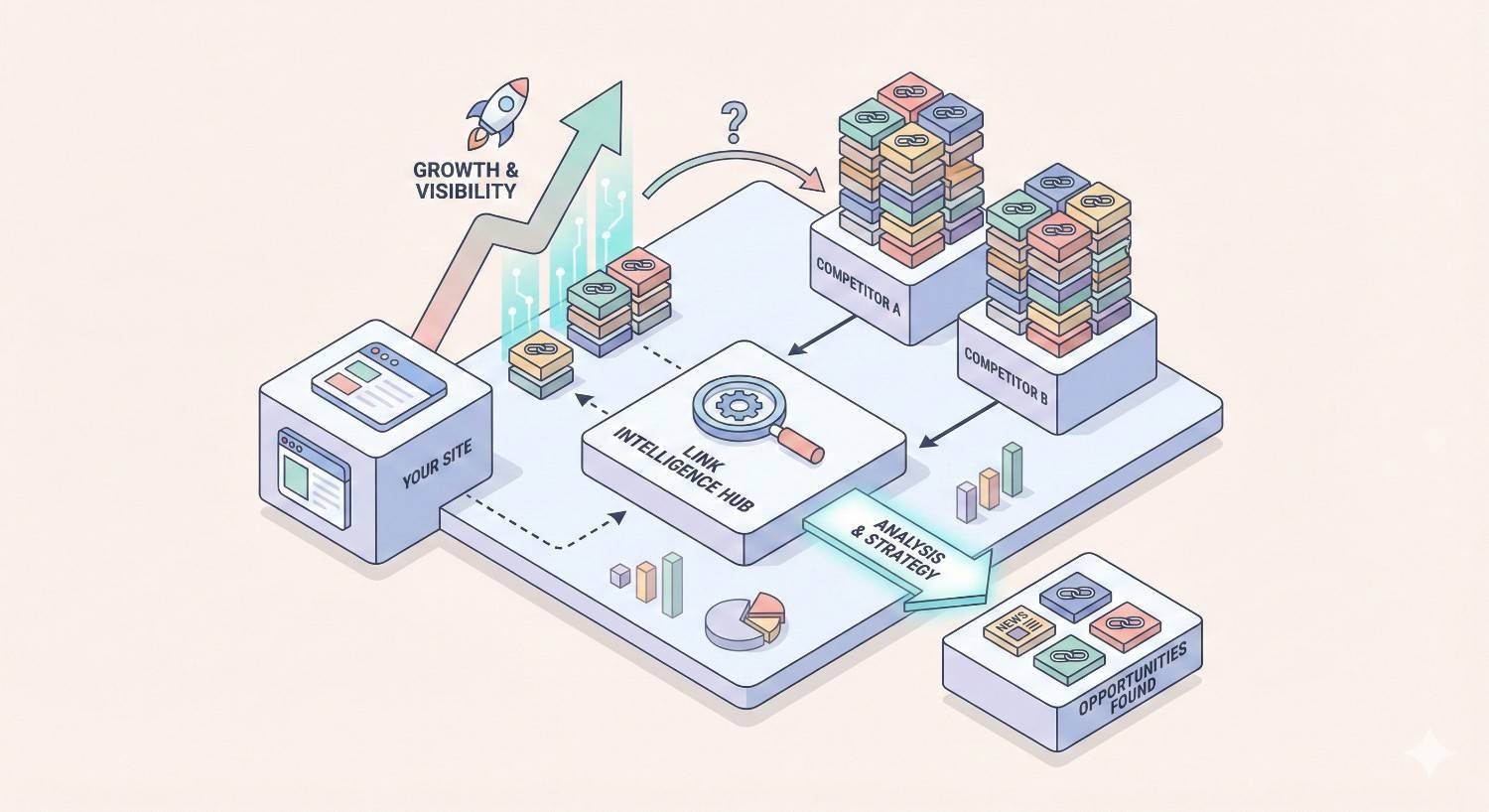
Backlink Gap compares your link profile against competitors. It identifies domains linking to competitors but not to you, revealing immediate opportunities for outreach.
How SEMrush Differs from Other Link Building Tools
SEMrush distinguishes itself through integration depth. While standalone tools like Majestic or Pitchbox excel in specific areas, SEMrush connects link building data with keyword research, content analysis, and rank tracking. This integration reveals relationships between link acquisition and ranking improvements that siloed tools miss.
The platform’s Authority Score metric combines multiple signals into a single quality indicator. Unlike raw domain authority numbers, Authority Score factors in link quality, organic traffic, and spam signals. This composite metric helps you prioritize prospects more accurately.
SEMrush also provides outreach functionality within the platform. You can send emails, track responses, and manage follow-ups without exporting data to external CRM systems. This workflow consolidation saves significant time on high-volume campaigns.
Who Should Use SEMrush for Link Building
SEMrush’s link building tools serve several user profiles effectively:
In-house SEO teams benefit from the integrated workflow. They can connect link building efforts directly to keyword rankings and organic traffic, demonstrating ROI to stakeholders with unified reporting.
Digital marketing agencies appreciate the scalability. Multiple client campaigns can run simultaneously, with separate prospect lists and outreach tracking for each project. White-label reporting options support client deliverables.
Small business owners with limited SEO experience find the guided workflows helpful. The Link Building Tool suggests prospects automatically and provides templates for outreach emails, reducing the learning curve.
Content marketers use the tools to identify link-worthy content opportunities. Backlink Analytics reveals which content types attract links in your niche, informing content strategy decisions.
SEMrush Backlink Analytics: Understanding Your Link Profile
Before building new links, you need complete visibility into your current backlink profile. SEMrush Backlink Analytics provides this foundation, revealing strengths to leverage and weaknesses to address.
How to Analyze Your Current Backlink Profile
Start by entering your domain into Backlink Analytics. The overview dashboard displays key metrics: total backlinks, referring domains, Authority Score, and monthly trends. This snapshot establishes your baseline.
Drill into the “Backlinks” tab to examine individual links. Filter by link type, anchor text, or referring domain authority. Look for patterns in your strongest links—which content attracts them, what anchor text appears most frequently, and which industries link to you.
The “Referring Domains” view groups links by source domain. This perspective matters more than raw backlink counts because one link from a high-authority domain often outweighs dozens from low-quality sites.
Export your backlink data for deeper analysis. Cross-reference with Google Search Console data to identify links SEMrush may have missed and verify that reported links actually exist.
Key Backlink Metrics to Monitor
Authority Score ranges from 0 to 100 and indicates overall domain quality. SEMrush calculates this using link data, organic traffic, and spam factors. Prioritize links from domains with Authority Scores above 40 for meaningful impact.
Referring Domains counts unique domains linking to your site. Growth in referring domains typically correlates more strongly with ranking improvements than total backlink growth. A diverse referring domain profile signals natural link acquisition.
Anchor Text Distribution reveals how other sites describe your content when linking. Healthy profiles show variety: branded anchors, naked URLs, generic phrases, and relevant keywords. Over-optimized anchor text with exact-match keywords can trigger algorithmic filters.
Follow vs. Nofollow Links indicates which links pass PageRank. While nofollow links don’t directly transfer authority, they contribute to natural link profiles and can drive referral traffic. Most healthy profiles contain 70-80% follow links.
Identifying Toxic Backlinks
The Backlink Audit tool scans your profile for potentially harmful links. It evaluates each link against multiple toxicity markers:
- Links from known spam networks
- Excessive reciprocal linking patterns
- Links from penalized domains
- Unnatural anchor text concentrations
- Links from irrelevant foreign-language sites
Each flagged link receives a toxicity score. High-toxicity links warrant immediate attention, while medium scores require manual review. Not every flagged link needs disavowing—context matters.
Review flagged links individually before taking action. Some legitimate links trigger false positives due to unusual characteristics. Check whether the linking page contains real content and whether the link appears in a natural editorial context.
Competitor Backlink Analysis
Analyzing competitor backlinks reveals proven link opportunities in your niche. Enter competitor domains into Backlink Analytics to examine their link profiles with the same depth as your own.
Focus on their highest-authority referring domains. These sites have demonstrated willingness to link within your industry. Many will consider linking to your content if you provide comparable or superior value.
Examine which competitor content attracts the most links. This analysis informs your content strategy—create similar resources with unique angles or improved depth to compete for the same links.
Note the link velocity of successful competitors. If they acquire 50 new referring domains monthly, that benchmark helps you set realistic goals and resource allocation.
Link Building Tool: Finding Link Opportunities
SEMrush’s Link Building Tool transforms prospect discovery from manual research into a systematic process. The tool identifies opportunities, organizes prospects, and manages outreach within a unified interface.
Setting Up Your First Link Building Campaign
Create a new project in SEMrush and navigate to the Link Building Tool. Enter your target keywords—these inform prospect discovery. Choose keywords that represent your core topics and have clear link-building potential.
Add your competitors. The tool analyzes their backlink profiles to find domains that might link to you. Include 3-5 direct competitors for comprehensive prospect generation.
Configure your target pages. Specify which URLs you want to build links to. This could be your homepage, key service pages, or specific content pieces designed for link acquisition.
The tool generates an initial prospect list based on your inputs. This automated discovery saves hours of manual research while ensuring prospects have demonstrated relevance to your niche.
Prospect Discovery Methods
Competitor Backlink Gap Analysis identifies domains linking to competitors but not to you. These prospects have already shown interest in your topic area. The gap analysis prioritizes domains linking to multiple competitors, as these represent the strongest opportunities.
Broken Link Building Opportunities surface when the tool finds dead links pointing to competitor content. You can offer your content as a replacement, providing value to the linking site while acquiring a link. This approach often yields higher response rates than cold outreach.
Unlinked Brand Mentions appear when sites mention your brand without linking. SEMrush’s Brand Monitoring tool identifies these mentions. Outreach to convert mentions into links typically succeeds because the site already views your brand positively.
Guest Posting Prospects emerge from analyzing where competitors publish guest content. The tool identifies sites accepting contributions in your niche. Filter by authority and relevance to build a targeted guest posting list.
Filtering and Qualifying Link Prospects
Raw prospect lists require refinement. Apply filters to focus on high-value opportunities:
Authority Score threshold eliminates low-quality domains. Set minimums based on your current profile—if your Authority Score is 35, targeting domains above 30 makes sense.
Traffic filters ensure prospects have real audiences. Links from sites with zero organic traffic provide minimal value beyond the link itself.
Relevance scoring prioritizes topically aligned prospects. A link from a highly relevant site with moderate authority often outperforms an irrelevant link from a high-authority domain.
Outreach feasibility considers whether you can realistically contact the site. Prospects with visible contact information and active content publication are more likely to respond.
Evaluating Domain Authority and Relevance
Authority metrics provide one dimension of prospect quality. SEMrush’s Authority Score offers a starting point, but deeper evaluation improves targeting.
Check the prospect’s organic traffic trends. Declining traffic may indicate penalties or abandonment. Growing traffic suggests an active, healthy site worth pursuing.
Examine their content quality. Visit the site and assess whether their audience aligns with yours. A high-authority site in an unrelated niche provides less value than a moderate-authority site in your exact space.
Review their existing outbound links. Sites that link generously to quality resources are more likely to link to you. Sites with few outbound links may have strict editorial policies.
Organizing Prospects by Priority
The Link Building Tool allows prospect categorization. Create priority tiers based on your evaluation:
Tier 1 includes high-authority, highly relevant prospects with clear outreach paths. These receive personalized, high-effort outreach.
Tier 2 contains moderate-authority prospects or those requiring more creative angles. These receive semi-personalized outreach at scale.
Tier 3 holds lower-priority prospects for batch outreach or future campaigns. Don’t ignore these—they often convert at reasonable rates with efficient processes.
Move prospects through stages as campaigns progress: To Contact, In Progress, Link Acquired, or Rejected. This workflow visibility prevents duplicate outreach and tracks campaign progress.
Backlink Gap Analysis: Competitive Link Intelligence
The Backlink Gap tool provides strategic intelligence by comparing link profiles across multiple domains simultaneously. This competitive analysis reveals opportunities invisible when examining sites individually.
How to Run a Backlink Gap Analysis
Enter your domain and up to four competitors into the Backlink Gap tool. SEMrush compares referring domains across all entered sites, identifying where competitors have links you lack.
The results display in a matrix format. Each row represents a referring domain, with columns showing which analyzed sites receive links. Filter to show only domains linking to competitors but not to you—these represent your gap opportunities.
Sort results by Authority Score to prioritize high-value gaps. Export the filtered list for integration with your outreach workflow.
Run gap analyses periodically. Competitors acquire new links continuously, creating fresh opportunities. Monthly gap checks keep your prospect pipeline full.
Identifying High-Value Link Opportunities
Not all gap opportunities deserve equal attention. Evaluate each based on acquisition likelihood and potential impact.
Domains linking to multiple competitors indicate strong topical relevance. If three competitors all have links from a site, that site clearly covers your topic area and links within it.
Resource pages and link roundups often appear in gap analyses. These pages exist specifically to link out, making them receptive to outreach.
Industry publications and news sites provide high-authority opportunities. Their editorial standards are higher, but successful placements deliver significant value.
Niche directories and associations sometimes appear. While less exciting than editorial links, relevant directory listings contribute to healthy link profiles.
Understanding Competitor Link Strategies
Gap analysis reveals competitor tactics. Patterns in their link profiles indicate strategies you might replicate or counter.
If competitors have numerous links from guest posts, they’ve invested in content-based outreach. You can target the same publications or find similar opportunities they’ve missed.
Heavy representation from industry events suggests conference sponsorships or speaking engagements generate links. Consider whether these channels fit your marketing mix.
Links from data studies or original research indicate content investment. Creating superior research in your niche can capture similar links while establishing thought leadership.
Prioritizing Gap Opportunities
Create a scoring system for gap opportunities. Weight factors based on your goals:
- Authority Score (30% weight)
- Topical relevance (25% weight)
- Outreach feasibility (20% weight)
- Link placement quality (15% weight)
- Referral traffic potential (10% weight)
Apply scores to your gap list and sort by total score. This systematic approach ensures you pursue the highest-value opportunities first rather than working through lists randomly.
Link Building Outreach with SEMrush
SEMrush’s outreach functionality transforms prospect lists into active campaigns. The integrated approach keeps all communication and tracking within the platform.
Creating Outreach Email Templates
Effective templates balance efficiency with personalization. Create base templates for different outreach scenarios:
Broken link outreach templates notify site owners of dead links and suggest your content as a replacement. Lead with the value you’re providing—helping them fix a user experience issue.
Guest post pitches propose specific topic ideas relevant to the target site’s audience. Research their existing content to suggest angles they haven’t covered.
Resource page requests highlight why your content deserves inclusion. Focus on what makes your resource uniquely valuable to their readers.
Link insertion requests ask for links within existing content. These work best when your content genuinely improves their article’s value.
Store templates in SEMrush for quick deployment. Include merge fields for personalization elements you’ll customize per prospect.
Personalizing Outreach at Scale
Personalization dramatically improves response rates. Research indicates personalized outreach emails achieve response rates 2-3x higher than generic templates.
Personalize these elements for each prospect:
- Recipient name and role
- Specific reference to their content
- Explanation of why your content fits their site
- Custom value proposition based on their audience
SEMrush allows you to add personalization notes to each prospect. Use these fields to capture research that informs your customization.
Batch similar prospects for efficient personalization. Sites in the same category often share characteristics that allow semi-templated personalization.
Tracking Outreach Campaigns
The Link Building Tool tracks every outreach touchpoint. Log emails sent, responses received, and current status for each prospect.
Monitor key metrics across campaigns:
- Emails sent per week
- Response rate by template type
- Conversion rate from response to link
- Average time from first contact to link placement
These metrics reveal what’s working. If one template dramatically outperforms others, analyze why and apply those insights to underperforming approaches.
Managing Follow-ups and Responses
Most links come from follow-up emails, not initial outreach. Plan a follow-up sequence for non-responders:
Follow-up 1 (5-7 days after initial email): Brief reminder with slightly different angle.
Follow-up 2 (7-10 days after first follow-up): Final attempt with new value proposition or different ask.
Track follow-up status in SEMrush to avoid over-contacting prospects. Excessive follow-ups damage relationships and brand perception.
When prospects respond, move them to appropriate status categories. Positive responses enter negotiation tracking. Rejections inform future targeting—note why they declined to refine prospect qualification.
Measuring Outreach Success Rates
Benchmark your performance against industry standards. Typical link building outreach metrics:
- Open rates: 30-50% for well-targeted campaigns
- Response rates: 5-15% depending on approach
- Conversion rates: 2-8% from initial contact to placed link
If your metrics fall below these ranges, diagnose the issue. Low open rates suggest subject line or targeting problems. Low response rates indicate template or value proposition issues. Low conversion rates point to negotiation or content quality gaps.
Track metrics by campaign type, industry, and template to identify patterns. This data-driven approach continuously improves outreach effectiveness.
Monitoring and Tracking New Backlinks
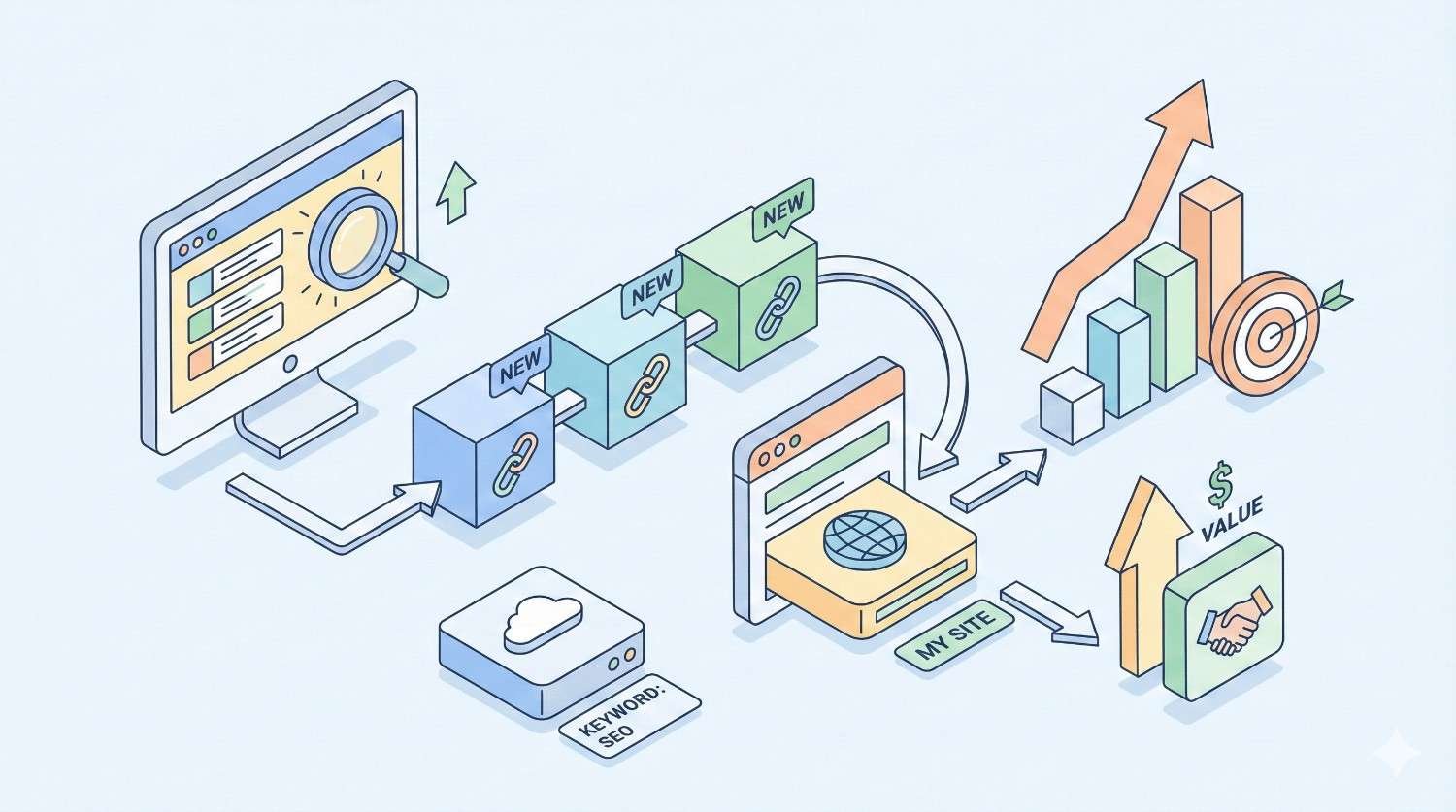
Link building success requires ongoing monitoring. SEMrush provides tools to track new acquisitions, identify lost links, and analyze link velocity trends.
Setting Up Backlink Monitoring
Configure backlink alerts in your SEMrush project. Set notifications for:
- New backlinks acquired
- Lost backlinks
- Changes in referring domain count
- Significant Authority Score changes
Daily or weekly email digests keep you informed without requiring constant platform checks. Adjust frequency based on your link building activity level.
Connect Google Search Console to SEMrush for comprehensive link visibility. GSC data complements SEMrush’s crawled data, ensuring you capture links from both sources.
Tracking New and Lost Backlinks
The Backlink Analytics “New” and “Lost” tabs show recent link changes. Review new links to verify they match your outreach efforts and identify organic acquisitions you didn’t pursue.
Investigate lost links promptly. Common causes include:
- Linking page deleted or moved
- Site-wide redesign removed links
- Editorial decision to remove link
- Domain expired or changed ownership
For valuable lost links, outreach to restore them. If the page still exists, a polite inquiry often results in link restoration. If the page was removed, suggest alternative placement.
Analyzing Link Velocity
Link velocity measures the rate of new link acquisition over time. Healthy velocity patterns appear natural—gradual growth with occasional spikes from successful content or PR.
Sudden velocity changes warrant investigation. Rapid increases might indicate successful campaigns or potentially problematic link schemes. Sudden drops could signal lost links or indexing issues.
Compare your velocity to competitors. If they consistently acquire links faster, analyze their strategies and adjust your resource allocation accordingly.
Creating Backlink Reports
SEMrush’s reporting tools generate professional backlink reports for stakeholders. Customize reports to include:
- Link profile overview and trends
- New links acquired during reporting period
- Authority Score changes
- Competitor comparison
- Campaign performance metrics
Schedule automated reports for regular stakeholder updates. Monthly reports work well for most organizations, with weekly reports during intensive campaigns.
Disavowing Toxic Links with SEMrush
Not all backlinks help your site. Toxic links can trigger algorithmic penalties or manual actions. SEMrush helps identify and disavow harmful links before they cause damage.
When to Disavow Backlinks
Disavow conservatively. Google’s algorithms largely ignore low-quality links automatically. Disavow only when:
- You’ve received a manual action for unnatural links
- You have clear evidence of negative SEO attacks
- You previously participated in link schemes and need cleanup
- Toxic links correlate with ranking drops
Unnecessary disavowing can accidentally remove beneficial links. When in doubt, leave links alone and monitor for actual negative impact.
Creating a Disavow File
SEMrush’s Backlink Audit tool streamlines disavow file creation. Review flagged toxic links and select those warranting disavowal.
For each selected link, choose whether to disavow:
- The specific URL: Removes only that exact link
- The entire domain: Removes all links from that domain
Domain-level disavows work best for spam sites with multiple links to your site. URL-level disavows suit situations where one bad link exists on an otherwise legitimate domain.
Export your selections as a properly formatted disavow file. SEMrush generates the correct syntax automatically.
Submitting to Google Search Console
Upload your disavow file through Google Search Console’s Disavow Links tool. Select the correct property and upload the file.
Google processes disavow files during regular crawling. Effects aren’t immediate—allow several weeks for full processing.
Keep records of submitted disavow files. If you need to modify your disavow list later, you must upload a complete replacement file, not an addition.
Monitoring Disavow Impact
Track metrics after disavow submission:
- Ranking changes for affected keywords
- Organic traffic trends
- Crawl stats in Search Console
- Any new manual actions or warnings
Disavowing legitimate links can cause ranking drops. If you see negative trends, review your disavow file for potential errors and submit a corrected version if needed.
Advanced Link Building Strategies Using SEMrush
Beyond basic prospecting and outreach, SEMrush supports sophisticated link building approaches that scale results and improve efficiency.
Resource Page Link Building
Resource pages curate links to valuable content within specific topics. They represent high-conversion outreach targets because linking is their explicit purpose.
Find resource pages using SEMrush’s keyword research. Search for terms like:
- “[your topic] resources”
- “[your topic] useful links”
- “best [your topic] articles”
Analyze results in Backlink Analytics to verify these pages actually link out. Some “resource” pages are actually sales pages with minimal outbound links.
Create content specifically designed for resource page inclusion. Comprehensive guides, tools, and original research perform best. Your content must clearly deserve a spot among existing resources.
Digital PR and Journalist Outreach
Digital PR generates high-authority links from news sites and publications. SEMrush supports this strategy through brand monitoring and journalist identification.
Monitor industry news for trending topics. When relevant stories break, rapid response with expert commentary or data can earn media links.
Identify journalists covering your industry using SEMrush’s media database. Build relationships before you need coverage—share their work, provide helpful information, and establish yourself as a reliable source.
Create newsworthy content assets: original research, industry surveys, data studies, or trend analyses. Journalists need sources and data—providing these earns links naturally.
Content-Driven Link Acquisition
Certain content types attract links organically. SEMrush data helps identify what works in your niche.
Analyze top-linked content from competitors. Common link magnets include:
- Original research and data studies
- Comprehensive guides and tutorials
- Free tools and calculators
- Infographics and visual content
- Industry surveys and reports
Create superior versions of proven link magnets. If a competitor’s guide has 200 referring domains, a more comprehensive, updated version can capture similar links.
Promote link-worthy content actively. Even excellent content needs initial visibility to attract links. Combine content creation with targeted outreach for maximum impact.
Local Link Building Tactics
Local businesses benefit from geographically targeted link building. SEMrush helps identify local opportunities:
Local business directories provide foundational links. Ensure consistent NAP (Name, Address, Phone) information across all listings.
Local news sites and blogs cover community businesses. Newsworthy activities—events, sponsorships, community involvement—generate coverage and links.
Local business associations often maintain member directories with links. Chamber of commerce memberships and industry association participation provide relevant local links.
Local partnerships create mutual linking opportunities. Complementary businesses can cross-promote through legitimate editorial links.
Scaling Link Building Operations
As campaigns mature, efficiency becomes critical. SEMrush supports scaling through:
Template libraries store proven outreach messages for quick deployment. Organize templates by campaign type and continuously refine based on performance data.
Prospect scoring automation prioritizes opportunities systematically. Define scoring criteria once and apply consistently across all prospects.
Team collaboration features allow multiple team members to work campaigns simultaneously. Assign prospects, track individual performance, and maintain consistent communication.
Integration with external tools extends functionality. Connect SEMrush data with dedicated outreach platforms or CRM systems for enterprise-scale operations.
SEMrush Link Building Pricing and Plans
Understanding SEMrush’s pricing structure helps you evaluate whether the investment aligns with your link building needs and budget.
Which SEMrush Plan Includes Link Building Tools
SEMrush offers three main subscription tiers:
Pro Plan ($139.95/month) includes basic link building features. You get Backlink Analytics, Backlink Audit, and limited access to the Link Building Tool. Suitable for freelancers and small sites with modest link building needs.
Guru Plan ($249.95/month) adds expanded limits and historical data. The Link Building Tool supports more prospects and campaigns. Content marketing features complement link building efforts. Best for growing businesses and small agencies.
Business Plan ($499.95/month) provides maximum capacity for all tools. API access enables custom integrations. Share of Voice metrics and extended historical data support enterprise link building programs.
All plans include the core link building toolkit. Higher tiers primarily expand usage limits rather than adding fundamentally different features.
Cost Comparison: SEMrush vs. Dedicated Link Building Tools
Evaluating SEMrush’s value requires comparing against specialized alternatives:
Ahrefs ($99-$999/month) offers comparable backlink data with different strengths. Some users prefer Ahrefs’ backlink index freshness, while others favor SEMrush’s integrated workflow.
Majestic ($49.99-$399.99/month) focuses exclusively on backlink data. Lower cost but lacks outreach and campaign management features.
Pitchbox ($195-$395/month) specializes in outreach automation. Stronger outreach features but requires separate tools for backlink analysis.
BuzzStream ($24-$999/month) provides CRM-focused outreach management. Good for relationship tracking but limited backlink intelligence.
SEMrush’s value proposition centers on integration. Paying for one platform that handles analysis, prospecting, and outreach often costs less than assembling multiple specialized tools.
ROI Considerations for Link Building Investment
Calculate link building ROI by connecting tool costs to outcomes:
Direct costs include SEMrush subscription plus team time spent on campaigns. Track hours invested in prospecting, outreach, and content creation.
Link acquisition cost divides total investment by links acquired. Industry benchmarks suggest $100-$500 per quality link for manual outreach campaigns.
Ranking impact measures keyword position improvements attributable to link building. Connect ranking gains to traffic increases using Search Console data.
Revenue attribution links traffic improvements to conversions and revenue. This final step demonstrates business impact beyond SEO metrics.
SEMrush’s reporting tools help track these metrics over time, building the data foundation for ROI calculations.
SEMrush Link Building vs. Alternatives
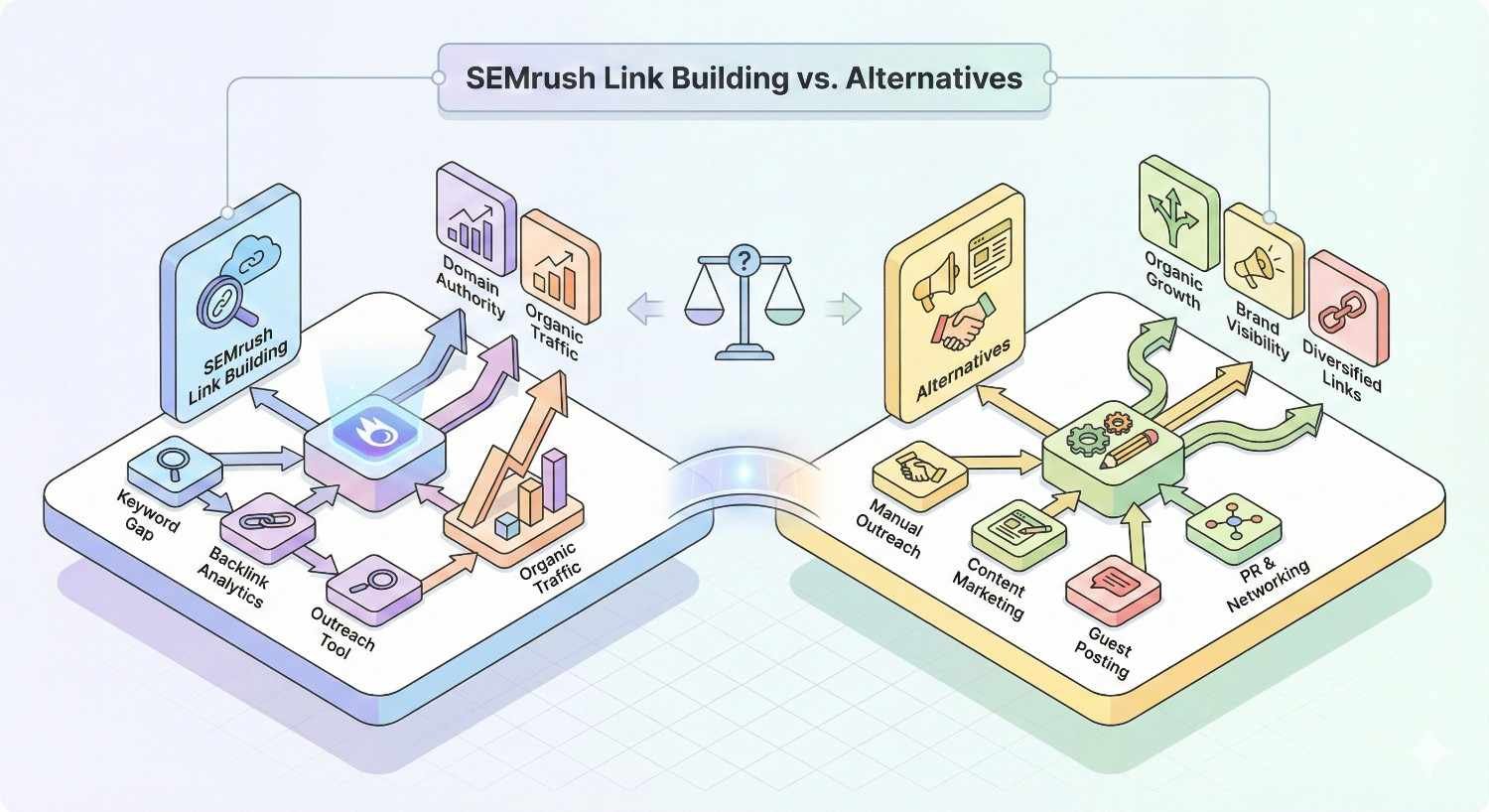
Choosing the right link building tool depends on your specific needs, existing tech stack, and workflow preferences.
SEMrush vs. Ahrefs for Link Building
Both platforms offer robust link building capabilities with different strengths:
SEMrush advantages:
- Integrated outreach and campaign management
- Broader SEO toolkit integration
- Authority Score provides composite quality metric
- Better for users wanting all-in-one solution
Ahrefs advantages:
- Larger backlink index (claimed)
- Faster index updates for new links
- Simpler interface for pure backlink analysis
- Domain Rating metric widely recognized
Many professionals use both tools, leveraging each platform’s strengths. If budget allows only one, choose based on whether you value integration (SEMrush) or backlink data depth (Ahrefs).
SEMrush vs. Moz Link Explorer
Moz pioneered domain authority metrics but has fallen behind in backlink data comprehensiveness:
SEMrush advantages:
- Significantly larger backlink database
- More frequent data updates
- Integrated outreach functionality
- Broader feature set beyond links
Moz advantages:
- Domain Authority remains industry-standard metric
- Simpler interface for beginners
- Lower price point for basic plans
- Strong educational resources
Moz works well for basic link analysis and reporting where Domain Authority matters. SEMrush suits users needing comprehensive link building workflows.
SEMrush vs. Majestic
Majestic focuses exclusively on backlink data with unique metrics:
SEMrush advantages:
- Integrated SEO toolkit
- Outreach and campaign management
- More intuitive interface
- Regular feature updates
Majestic advantages:
- Trust Flow and Citation Flow metrics
- Historical index depth
- Lower cost for backlink-only needs
- Topical Trust Flow for relevance analysis
Majestic appeals to users who need deep backlink data without other SEO features. Its unique metrics provide perspectives SEMrush doesn’t offer.
When to Use Multiple Tools
Professional link builders often combine tools strategically:
- SEMrush for workflow management and integrated campaigns
- Ahrefs for secondary backlink verification and competitor deep-dives
- Majestic for Trust Flow analysis on high-priority prospects
- Dedicated outreach tools for high-volume campaigns
Budget constraints may limit tool stacking. Start with one comprehensive platform (SEMrush or Ahrefs) and add specialized tools as specific needs emerge.
Common Link Building Mistakes to Avoid
Even with powerful tools, link building fails when fundamental mistakes undermine campaigns. Recognize and avoid these common errors.
Over-Reliance on Automation
Automation improves efficiency but can’t replace human judgment. Common automation pitfalls:
Mass outreach without personalization generates low response rates and damages brand reputation. Recipients recognize template emails and ignore them.
Automated prospect qualification misses context that humans catch. A high-authority site might be completely irrelevant to your niche—automation often misses this.
Scheduled follow-ups without monitoring can send inappropriate messages. If a prospect responded negatively, automated follow-ups make things worse.
Use automation for data gathering and organization. Keep human oversight on outreach messaging and prospect evaluation.
Ignoring Link Quality Metrics
Chasing link quantity over quality wastes resources and risks penalties:
Low-authority links provide minimal ranking benefit. Ten links from DA 10 sites rarely match one link from a DA 60 site.
Irrelevant links may not pass topical authority. A link from a high-authority cooking blog provides limited value for a B2B software company.
Suspicious link patterns trigger algorithmic scrutiny. Rapid acquisition of exact-match anchor text links looks unnatural regardless of source quality.
Establish minimum quality thresholds before outreach begins. Reject prospects that don’t meet standards rather than pursuing easy but valueless links.
Poor Outreach Personalization
Generic outreach fails because recipients receive dozens of similar emails daily:
No reference to specific content signals mass outreach. Mentioning a specific article or resource demonstrates genuine familiarity.
Irrelevant value propositions waste recipient time. Your pitch must clearly benefit their audience, not just yours.
Incorrect personalization damages credibility worse than no personalization. Wrong names, outdated references, or misunderstood content destroy trust immediately.
Invest time in prospect research. Understanding each site’s audience, content style, and linking patterns enables genuinely personalized outreach.
Neglecting Link Maintenance
Link building isn’t a one-time activity. Ongoing maintenance protects your investment:
Lost links erode gains over time. Monitor for removals and attempt restoration when valuable links disappear.
Toxic link accumulation happens naturally as spam sites link to you. Regular audits identify problems before they cause damage.
Anchor text drift can create unnatural patterns. As you acquire links, monitor overall anchor text distribution and adjust targeting if needed.
Competitor advancement means standing still equals falling behind. Continuous link building maintains competitive position.
Schedule monthly link profile reviews. Catch problems early and maintain momentum on acquisition.
Integrating SEMrush Link Building with Your SEO Strategy
Link building delivers maximum impact when integrated with broader SEO efforts. Isolated link campaigns miss synergies that amplify results.
Aligning Link Building with Content Strategy
Content and links work together. Strategic alignment multiplies effectiveness:
Create link-worthy content first. Before outreach, ensure you have content worth linking to. Thin content wastes outreach effort regardless of prospect quality.
Target content gaps competitors haven’t filled. SEMrush’s content gap analysis reveals topics with link potential but limited competition.
Update existing content to improve link-worthiness. Sometimes refreshing old content makes it link-worthy without creating something new.
Plan content around link opportunities. If gap analysis reveals prospects interested in specific topics, create content targeting those interests.
Technical SEO Prerequisites for Link Building
Technical issues undermine link building investment:
Crawlability problems prevent search engines from discovering and valuing your links. Ensure linked pages are indexable and load properly.
Site speed issues affect user experience on linked pages. Slow pages increase bounce rates, reducing the value links provide.
Mobile optimization matters as most users browse on mobile devices. Links to non-mobile-friendly pages provide diminished value.
Internal linking distributes link equity throughout your site. Strong internal linking ensures link building benefits multiple pages, not just direct targets.
Audit technical SEO before intensive link building. Fix foundational issues first to maximize link value.
Coordinating with Other Marketing Channels
Link building connects with broader marketing efforts:
PR and communications generate natural link opportunities. Coordinate messaging so link builders can capitalize on media coverage.
Social media amplifies content visibility, indirectly supporting link acquisition. Viral content attracts organic links without direct outreach.
Paid promotion can boost link-worthy content to audiences likely to link. Strategic ad spend accelerates organic link acquisition.
Partnership marketing creates mutual link opportunities. Business partnerships often include website cross-promotion.
Break down silos between link building and other marketing functions. Shared calendars and regular communication reveal synergies.
Setting Realistic Link Building Goals
Unrealistic expectations lead to poor decisions and disappointment:
New sites should expect slower initial progress. Building from zero requires establishing credibility before high-authority sites will link.
Competitive niches require more resources per link. If competitors have thousands of referring domains, catching up takes sustained investment.
Quality takes time. High-authority links often require months of relationship building. Quick wins typically come from lower-quality sources.
Diminishing returns affect mature profiles. The first 100 referring domains impact rankings more than the next 100.
Set goals based on your starting point, competition level, and available resources. Track progress against realistic benchmarks rather than arbitrary targets.
Measuring Link Building Success
Effective measurement connects link building activities to business outcomes. SEMrush provides data for comprehensive performance analysis.
Key Performance Indicators (KPIs)
Track metrics across the link building funnel:
Activity metrics measure effort invested:
- Prospects researched per week
- Outreach emails sent
- Follow-ups completed
- Response rate
Acquisition metrics measure direct outcomes:
- New referring domains acquired
- Average Authority Score of new links
- Link placement quality (contextual vs. footer, etc.)
- Cost per acquired link
Impact metrics measure SEO effects:
- Ranking changes for target keywords
- Organic traffic growth
- Domain Authority/Authority Score improvement
- Referral traffic from acquired links
Business metrics measure ultimate value:
- Leads generated from organic traffic
- Revenue attributable to organic channel
- Customer acquisition cost changes
Attribution and Traffic Analysis
Connect links to traffic improvements:
Referral traffic from acquired links provides direct attribution. Monitor Google Analytics for traffic from linking domains.
Organic traffic correlation shows indirect impact. Chart link acquisition against organic traffic trends to identify relationships.
Page-level analysis reveals which linked pages benefit most. Some pages convert link equity to rankings more effectively than others.
Assisted conversions capture link building’s role in conversion paths. Users may discover you through a link but convert later through other channels.
Ranking Impact Measurement
Links influence rankings, but isolating their impact requires careful analysis:
Control for other variables. Content updates, technical changes, and algorithm updates also affect rankings. Note all changes to distinguish link impact.
Track target keywords specifically. Monitor rankings for keywords you’re building links to support, not just overall visibility.
Allow sufficient time. Ranking changes from new links often take weeks to months to materialize. Premature measurement misses actual impact.
Compare against competitors. If your rankings improve while competitors decline, link building likely contributed. If everyone improved, algorithm changes may explain the shift.
Reporting Link Building ROI
Stakeholder reports should connect activities to business value:
Executive summaries highlight key metrics: links acquired, ranking improvements, traffic growth, and revenue impact.
Detailed breakdowns show campaign-level performance for optimization insights.
Trend analysis demonstrates progress over time, contextualizing current performance.
Competitive context shows how your link profile compares to competitors, justifying continued investment.
Forward projections estimate future impact based on current trajectory, supporting budget discussions.
Case Studies: Real Results with SEMrush Link Building
Practical examples demonstrate how SEMrush link building tools deliver results across different contexts.
B2B SaaS Link Building Campaign
A project management software company used SEMrush to build authority in a competitive market:
Starting point: 450 referring domains, Authority Score 38, ranking on page 2-3 for target keywords.
Strategy: Backlink gap analysis identified 200+ domains linking to competitors but not to them. Created comprehensive comparison guides and original productivity research to support outreach.
Execution: Six-month campaign targeting high-authority prospects. Personalized outreach emphasized unique research data.
Results: Acquired 85 new referring domains averaging Authority Score 45. Primary keywords moved to page 1. Organic traffic increased 67% over the campaign period.
Key insight: Original research provided unique value that generic content couldn’t match. Prospects linked because the data genuinely helped their audiences.
E-commerce Authority Building
An outdoor gear retailer built topical authority through strategic link building:
Starting point: 1,200 referring domains but mostly low-quality directory links. Authority Score 29.
Strategy: Toxic link audit and disavow cleaned the profile. New campaign focused on outdoor publications, gear review sites, and adventure blogs.
Execution: Created detailed gear guides and partnered with outdoor influencers for authentic content. Targeted resource pages on hiking and camping sites.
Results: Disavowed 340 toxic domains. Acquired 120 high-quality links over eight months. Authority Score improved to 41. Category page rankings improved significantly.
Key insight: Cleaning toxic links before building new ones prevented wasted effort. Quality improvements mattered more than quantity increases.
Local Business Link Acquisition
A regional law firm used SEMrush for targeted local link building:
Starting point: 80 referring domains, mostly legal directories. Limited local visibility.
Strategy: Identified local news sites, business associations, and community organizations. Created locally relevant content about legal topics affecting the community.
Execution: Sponsored local events, contributed expert commentary to local news, and built relationships with complementary businesses.
Results: Acquired 45 locally relevant links over six months. Local pack rankings improved for primary practice areas. Consultation requests increased 40%.
Key insight: Local link building requires community involvement, not just outreach. Genuine local presence generated opportunities that cold outreach couldn’t access.
Getting Started: Your 30-Day SEMrush Link Building Action Plan
Transform knowledge into action with this structured implementation plan.
Week 1: Audit and Analysis
Days 1-2: Profile Assessment
- Run complete Backlink Audit in SEMrush
- Export current backlink data for baseline
- Document Authority Score, referring domains, and anchor text distribution
Days 3-4: Toxic Link Review
- Review all flagged toxic links
- Research each high-toxicity link individually
- Create disavow file if warranted
Days 5-7: Competitive Analysis
- Identify 3-5 direct competitors
- Run Backlink Gap analysis
- Document competitor link strategies and patterns
Week 2: Prospect Research and List Building
Days 8-10: Gap Opportunity Mining
- Filter gap analysis for high-value prospects
- Score prospects using defined criteria
- Create tiered prospect lists
Days 11-12: Additional Prospect Discovery
- Search for resource pages in your niche
- Identify broken link opportunities
- Find unlinked brand mentions
Days 13-14: Prospect Qualification
- Verify prospect quality manually
- Research contact information
- Add personalization notes for each prospect
Week 3: Outreach Campaign Launch
Days 15-17: Template Development
- Create templates for each outreach type
- Develop personalization frameworks
- Set up tracking in Link Building Tool
Days 18-21: Initial Outreach
- Send personalized emails to Tier 1 prospects
- Log all outreach in SEMrush
- Monitor for early responses
Week 4: Monitoring and Optimization
Days 22-24: Response Management
- Reply to all responses promptly
- Send first follow-ups to non-responders
- Track conversion progress
Days 25-27: Performance Analysis
- Calculate response and conversion rates
- Identify top-performing templates
- Adjust approach based on data
Days 28-30: Iteration and Planning
- Refine templates based on results
- Expand to Tier 2 prospects
- Plan next month’s campaign focus
Conclusion
SEMrush provides the comprehensive toolkit needed to transform link building from scattered efforts into systematic campaigns that deliver measurable results. From initial backlink audits through prospect discovery, outreach management, and performance tracking, the platform supports every stage of effective link acquisition.
At White Label SEO Service, we leverage SEMrush’s capabilities alongside proven link building strategies to help businesses build sustainable organic growth. Our approach combines technical precision with relationship-focused outreach that earns links worth having.
Ready to build authority links that improve your rankings and drive qualified traffic? Contact White Label SEO Service to discuss how our link building expertise can accelerate your organic growth.
Frequently Asked Questions
How long does it take to see results from SEMrush link building campaigns?
Most link building campaigns show initial ranking improvements within 2-4 months. However, significant results typically require 6-12 months of consistent effort. Link building is a long-term investment where compound effects build over time.
What’s the minimum SEMrush plan needed for effective link building?
The Pro plan includes essential link building tools, but the Guru plan offers better value for serious link building. Guru provides expanded prospect limits, historical data, and content marketing features that support link-worthy content creation.
How many links should I build per month?
Quality matters more than quantity. Most sites benefit from 5-20 high-quality links monthly rather than dozens of low-quality links. Focus on acquiring links from relevant, authoritative sites rather than hitting arbitrary volume targets.
Can SEMrush identify all my backlinks?
No tool captures every backlink. SEMrush’s database is comprehensive but not exhaustive. Connect Google Search Console to your SEMrush project for more complete visibility, as GSC shows links Google has actually discovered.
Is the SEMrush Link Building Tool worth it compared to dedicated outreach platforms?
For most users, SEMrush’s integrated approach provides sufficient outreach functionality. Dedicated platforms like Pitchbox or BuzzStream offer more advanced automation but require separate subscriptions and data integration. SEMrush works well for teams managing moderate outreach volumes.
How do I know if a backlink is helping or hurting my site?
Evaluate links based on source quality, relevance, and placement context. Links from relevant, authoritative sites with natural anchor text help. Links from spammy, irrelevant sites with over-optimized anchors may hurt. SEMrush’s toxicity scoring provides guidance, but manual review remains important.
Should I disavow all toxic links SEMrush identifies?
No. SEMrush flags potentially problematic links, but many flagged links are harmless. Only disavow links you’re confident are harmful—typically from obvious spam sites or known link networks. Over-disavowing can remove beneficial links accidentally.