

E-E-A-T determines whether your content ranks or disappears. Google’s quality framework evaluates Experience, Expertise, Authoritativeness, and Trustworthiness across every page. Sites demonstrating strong E-E-A-T signals consistently outperform competitors in organic search visibility.
This matters because algorithm updates increasingly reward content from credible sources while penalizing thin, unverified material. Your rankings, traffic, and revenue depend on meeting these standards.
This guide covers E-E-A-T fundamentals, Google’s evaluation methods, implementation strategies, and measurement frameworks to build lasting search authority.
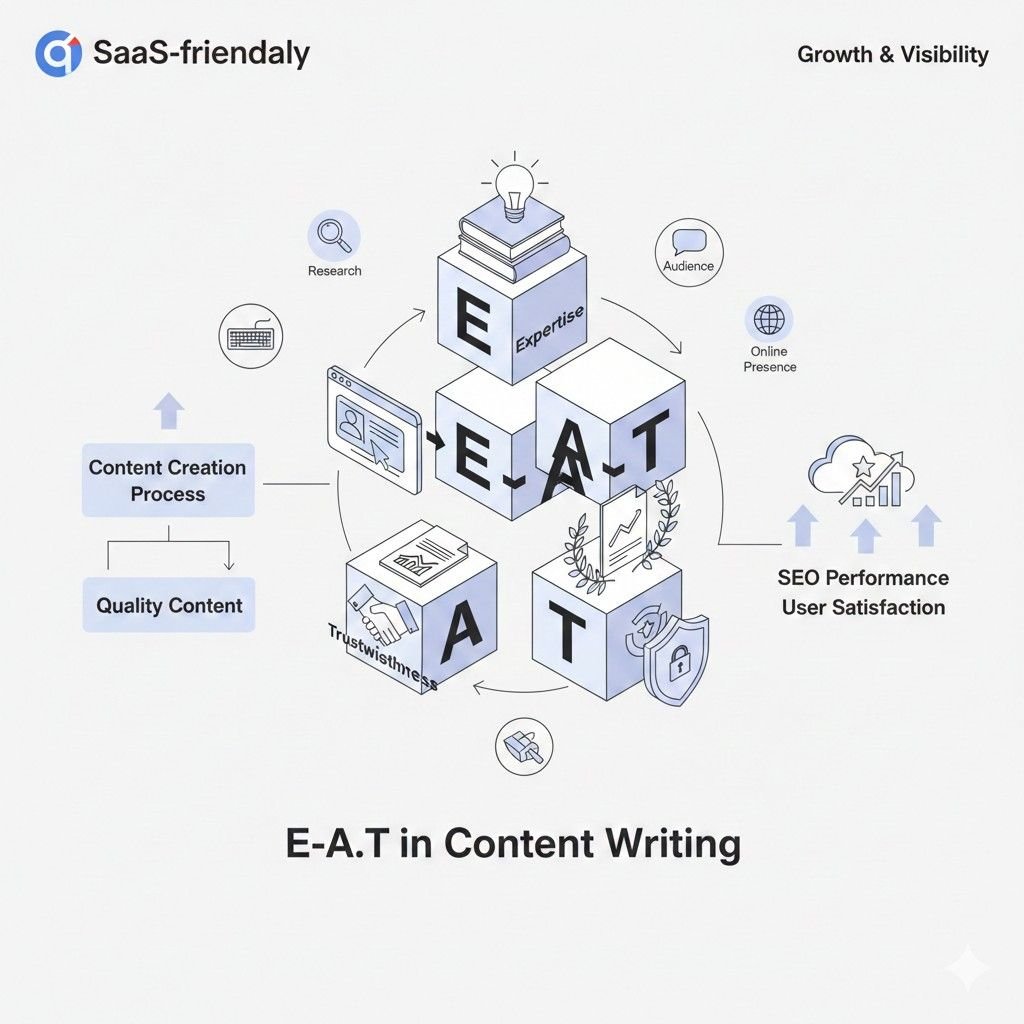
What is E-E-A-T in Content Writing?
E-E-A-T represents Google’s framework for evaluating content quality. The acronym stands for Experience, Expertise, Authoritativeness, and Trustworthiness. These four pillars guide how Google’s quality raters assess whether content deserves to rank.
Understanding E-E-A-T isn’t optional for serious content creators. It shapes every aspect of content strategy, from author selection to source citation. Websites that ignore these principles face declining visibility as Google refines its ability to identify quality signals.
The Evolution from E-A-T to E-E-A-T
Google introduced E-A-T in 2014 through its Search Quality Rater Guidelines. The original framework focused on Expertise, Authoritativeness, and Trustworthiness. Quality raters used these criteria to evaluate search results and provide feedback that informed algorithm development.
In December 2022, Google added Experience as the first pillar. This update acknowledged that first-hand knowledge carries unique value. Someone who has actually used a product, visited a location, or performed a task brings perspectives that pure research cannot replicate.
The addition reflected Google’s response to AI-generated content proliferation. As automated content became more sophisticated, distinguishing between genuine experience and synthesized information became critical. Experience signals help identify content created by people who truly understand their subject through direct involvement.
Breaking Down the Four Pillars
Each E-E-A-T component serves a distinct purpose in content evaluation. Understanding their individual roles helps you optimize effectively.
Experience measures whether content creators have first-hand involvement with their subject. A product reviewer who purchased and tested an item demonstrates experience. A travel writer who visited a destination shows experience. This pillar values direct participation over secondhand research.
Experience signals include personal anecdotes, original photography, specific details only available through direct involvement, and nuanced observations that research alone cannot provide. Content lacking experience often reads generically, missing the specific insights that come from actual engagement.
Expertise evaluates the creator’s knowledge depth and qualifications. Formal credentials matter in some fields. A medical article benefits from physician authorship. A legal guide gains credibility from attorney involvement. However, expertise also encompasses demonstrated knowledge through content quality, regardless of formal qualifications.
Everyday expertise exists too. A home cook with decades of experience possesses culinary expertise without professional training. A hobbyist photographer who has mastered their craft demonstrates expertise through their work. Google recognizes both formal and informal expertise depending on topic requirements.
Authoritativeness assesses recognition from others in the field. Authority develops through external validation. Other experts cite your work. Industry publications reference your insights. Professional organizations acknowledge your contributions. Authority cannot be self-declared; it must be earned through peer recognition.
Website authority and author authority both contribute. A respected publication lends authority to its contributors. An established expert brings authority to any platform where they publish. The strongest content combines authoritative authors with authoritative platforms.
Trustworthiness forms the foundation supporting all other pillars. Google’s documentation explicitly states that Trust is the most important E-E-A-T component. Without trust, experience, expertise, and authority lose their value.
Trust encompasses accuracy, transparency, and safety. Content must be factually correct. Sources must be properly attributed. Potential conflicts of interest require disclosure. Websites must protect user data and provide clear contact information. Trust failures undermine everything else.
Why E-E-A-T Matters for Search Rankings
E-E-A-T directly influences how Google evaluates content quality. While not a direct ranking factor in the technical sense, E-E-A-T principles inform the algorithms that determine rankings. Google trains its systems to recognize and reward content exhibiting strong E-E-A-T signals.
The practical impact is measurable. Sites recovering from core algorithm updates often trace their improvements to E-E-A-T enhancements. Conversely, sites hit by updates frequently show E-E-A-T deficiencies. The correlation between E-E-A-T strength and ranking stability is well-documented across the SEO industry.
For YMYL topics, E-E-A-T requirements intensify. Your Money or Your Life content covers health, finance, safety, and other areas where poor information causes real harm. Google applies stricter quality standards to these topics. Weak E-E-A-T in YMYL content almost guarantees ranking struggles.
Beyond rankings, E-E-A-T affects user behavior metrics. Content demonstrating clear expertise and trustworthiness earns longer engagement, more shares, and higher conversion rates. Users recognize quality. They stay longer on trustworthy sites and return more frequently. These behavioral signals further reinforce ranking performance.
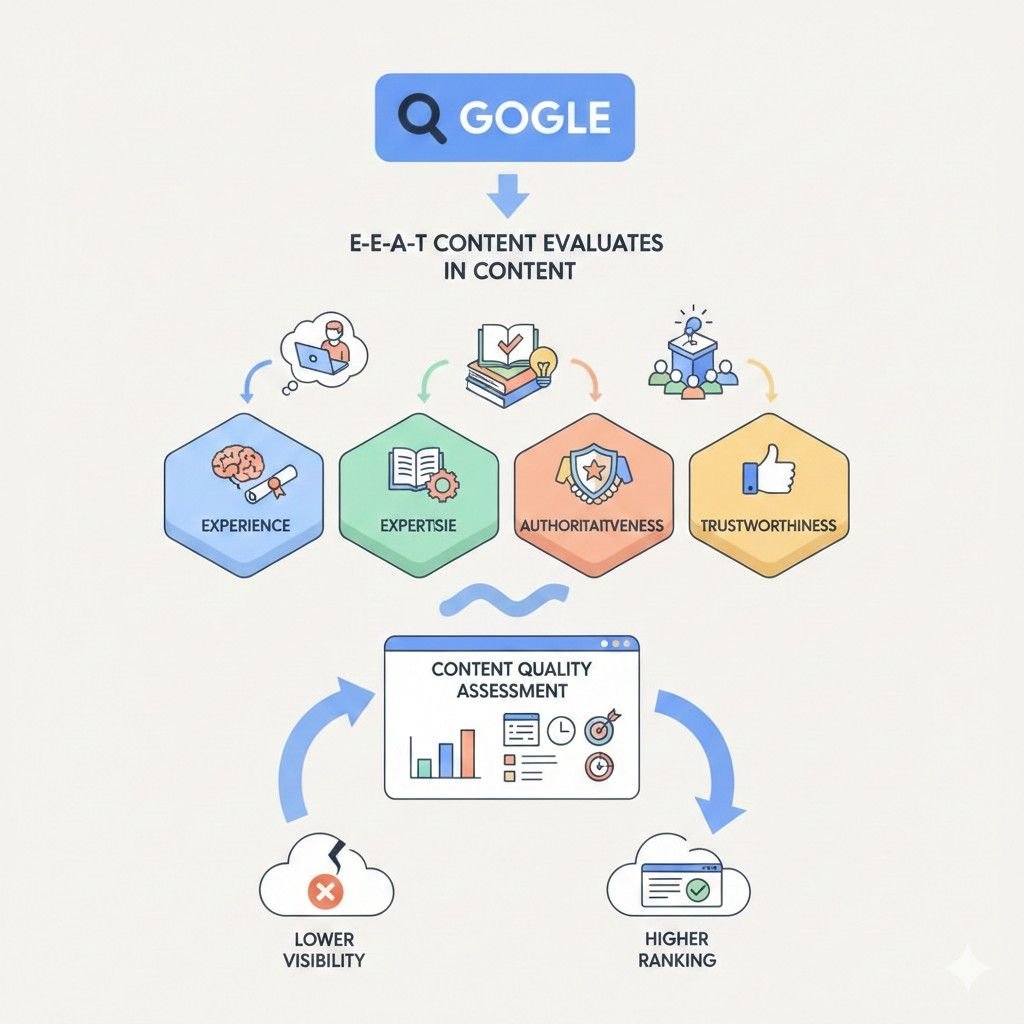
How Google Evaluates E-E-A-T in Content
Google employs multiple mechanisms to assess E-E-A-T. Understanding these evaluation methods helps you optimize content effectively. The process combines human evaluation with algorithmic analysis.
Quality Rater Guidelines and E-E-A-T
Google employs thousands of quality raters worldwide. These contractors evaluate search results using detailed guidelines spanning over 170 pages. Their assessments don’t directly change rankings but inform algorithm development and testing.
The Search Quality Rater Guidelines provide the most detailed public explanation of E-E-A-T. Raters assess Page Quality on a scale from Lowest to Highest, with E-E-A-T as a primary consideration. Understanding these guidelines reveals exactly what Google values.
Raters examine multiple factors when evaluating E-E-A-T. They research authors to verify credentials. They check website reputation through external sources. They assess content accuracy against authoritative references. They evaluate whether the content creator has relevant experience.
The guidelines emphasize that E-E-A-T requirements vary by topic. A humor website needs different E-E-A-T signals than a medical information site. Context determines appropriate standards. Raters adjust their expectations based on content type and potential impact.
YMYL Content and E-E-A-T Requirements
YMYL content faces heightened scrutiny. Google defines YMYL topics as those that could significantly impact a person’s health, financial stability, safety, or welfare. These categories demand the strongest E-E-A-T signals.
Health and medical content requires professional expertise. Financial advice needs qualified authors. Legal information benefits from attorney involvement. Safety-related content must come from credible sources. The stakes are too high for unverified information.
YMYL classification extends beyond obvious categories. News about current events qualifies as YMYL. Information about groups of people based on characteristics like race or religion falls under YMYL. Content about major life decisions, including housing, employment, and education, receives YMYL treatment.
For YMYL topics, Google expects clear author credentials, proper source citation, regular content updates, and transparent editorial processes. Sites publishing YMYL content without these elements struggle to rank regardless of other optimization efforts.
Signals Google Uses to Assess E-E-A-T
Google’s algorithms analyze numerous signals to evaluate E-E-A-T. These signals span on-page elements, off-page factors, and author-related indicators.
On-page signals include content depth, accuracy, and presentation. Comprehensive coverage of topics demonstrates expertise. Proper source citation shows trustworthiness. Clear author information supports all E-E-A-T pillars. Technical accuracy indicates genuine knowledge.
Content structure matters too. Well-organized information with logical flow suggests expertise. Appropriate use of terminology without unnecessary jargon shows audience understanding. Regular updates to time-sensitive content demonstrate ongoing commitment to accuracy.
Off-page signals primarily involve external validation. Backlinks from authoritative sources indicate industry recognition. Brand mentions across reputable publications build authority. Reviews and ratings on third-party platforms affect trust perception. Social proof through engagement and sharing suggests content value.
The quality of linking sites matters more than quantity. A single link from a highly authoritative source outweighs dozens of links from low-quality sites. Google evaluates the relevance and authority of referring domains when assessing your site’s authority.
Author and entity signals connect content to real people and organizations. Google’s Knowledge Graph stores information about entities, including authors. When Google can verify an author’s identity and credentials, it strengthens E-E-A-T assessment.
Author pages with detailed biographies help Google understand expertise. Consistent author presence across the web builds recognizable entities. Links between author profiles and professional credentials, publications, and social profiles strengthen entity recognition.
The Relationship Between E-E-A-T and Core Algorithm Updates
Core algorithm updates frequently target E-E-A-T-related issues. Analysis of major updates reveals consistent patterns. Sites with strong E-E-A-T signals tend to gain visibility. Sites with E-E-A-T weaknesses often lose rankings.
The August 2018 “Medic Update” heavily impacted health and YMYL sites lacking proper expertise signals. Sites without qualified authors or proper credentials saw significant traffic drops. Recovery required substantial E-E-A-T improvements.
Subsequent updates continued this pattern. The September 2019 core update rewarded sites that had improved E-E-A-T signals. The May 2020 update again emphasized content quality and expertise. Each major update reinforced E-E-A-T’s importance.
The March 2024 core update specifically targeted low-quality content at scale. Sites relying on thin, AI-generated content without proper oversight faced penalties. The update emphasized the need for human expertise and genuine value in content creation.
Preparing for future updates means building genuine E-E-A-T. Quick fixes and superficial changes rarely survive algorithm refinements. Sustainable rankings require authentic expertise, real experience, earned authority, and demonstrated trustworthiness.
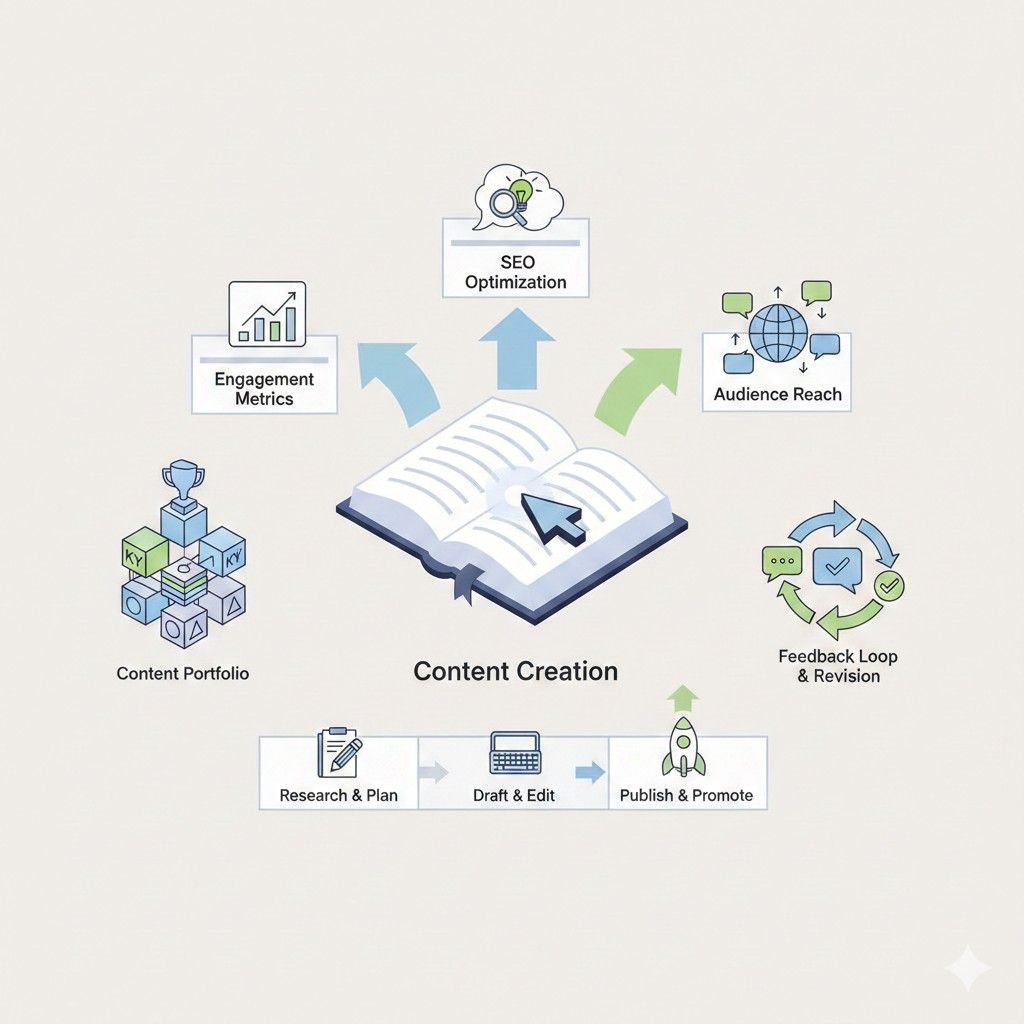
Demonstrating Experience in Content Writing
Experience distinguishes content created through direct involvement from content assembled through research alone. Google added this pillar specifically to identify creators who have actually done what they write about.
First-Hand Experience vs. Research-Based Content
First-hand experience provides unique value that research cannot replicate. Someone who has used a product knows its quirks, limitations, and unexpected benefits. A person who has completed a process understands the challenges and shortcuts. Direct involvement generates insights unavailable through secondary sources.
Research-based content has its place. Not every topic requires personal experience. Historical analysis, scientific explanations, and news reporting often rely on research rather than direct involvement. The key is matching content type to appropriate experience levels.
However, for topics where experience matters, research-only content falls short. Product reviews without actual product use lack credibility. Travel guides from people who haven’t visited the destination miss essential details. How-to content from people who haven’t performed the task often contains impractical advice.
Google’s algorithms increasingly distinguish between these content types. Signals like specific details, original imagery, and nuanced observations help identify genuine experience. Generic descriptions and stock photos suggest research-only creation.
How to Showcase Real-World Experience
Demonstrating experience requires intentional content choices. Several strategies effectively communicate first-hand involvement.
Case studies and examples drawn from actual work provide powerful experience signals. Describe specific projects you’ve completed. Share outcomes with real numbers when possible. Explain challenges you encountered and how you solved them. Concrete examples prove involvement.
Original data and research demonstrates direct engagement with your subject. Conduct surveys within your industry. Analyze your own performance data. Share findings from experiments you’ve run. Original research cannot be faked and strongly signals experience.
Personal insights and observations add authenticity that research cannot provide. Share what surprised you about a product. Describe unexpected challenges in a process. Offer opinions based on your direct involvement. These personal elements distinguish experienced creators from researchers.
Visual proof through screenshots, photos, and videos provides undeniable experience evidence. Show the product in your hands. Capture screenshots of tools you’ve actually used. Record video of processes you’ve performed. Visual documentation proves involvement.
Experience Signals in Different Content Types
Experience requirements vary by content category. Understanding appropriate signals for each type helps you optimize effectively.
Product reviews demand evidence of actual product use. Include original photos showing the product in real settings. Discuss specific features based on your testing. Compare to similar products you’ve also used. Mention details only discoverable through actual use.
Service reviews require evidence of being a customer. Describe your interaction with the company. Share specific outcomes from using the service. Include documentation like receipts or correspondence when appropriate. Explain how the service compared to your expectations.
How-to guides benefit from process documentation. Include photos or videos of you performing each step. Mention common mistakes you’ve made or observed. Offer tips that only come from repeated practice. Share variations you’ve discovered through experience.
Travel content needs location-specific details. Include original photography from your visit. Describe sensory experiences like sounds, smells, and atmosphere. Mention practical details like parking, crowds, and timing. Share unexpected discoveries from your trip.
Common Experience Mistakes to Avoid
Several common errors undermine experience signals. Avoiding these mistakes strengthens your content’s credibility.
Using stock photos instead of original images immediately suggests lack of experience. Even imperfect original photos outperform polished stock imagery. Readers and algorithms recognize the difference.
Writing in generic terms without specific details indicates research-only creation. Vague descriptions like “easy to use” or “high quality” lack the specificity that experience provides. Replace generalities with concrete observations.
Failing to mention limitations or challenges suggests incomplete experience. Real involvement reveals downsides. Content that only praises without acknowledging any negatives appears promotional rather than experiential.
Copying competitor content structure and points indicates research rather than original experience. Your experience should generate unique insights. If your content mirrors existing articles, you’re likely researching rather than experiencing.
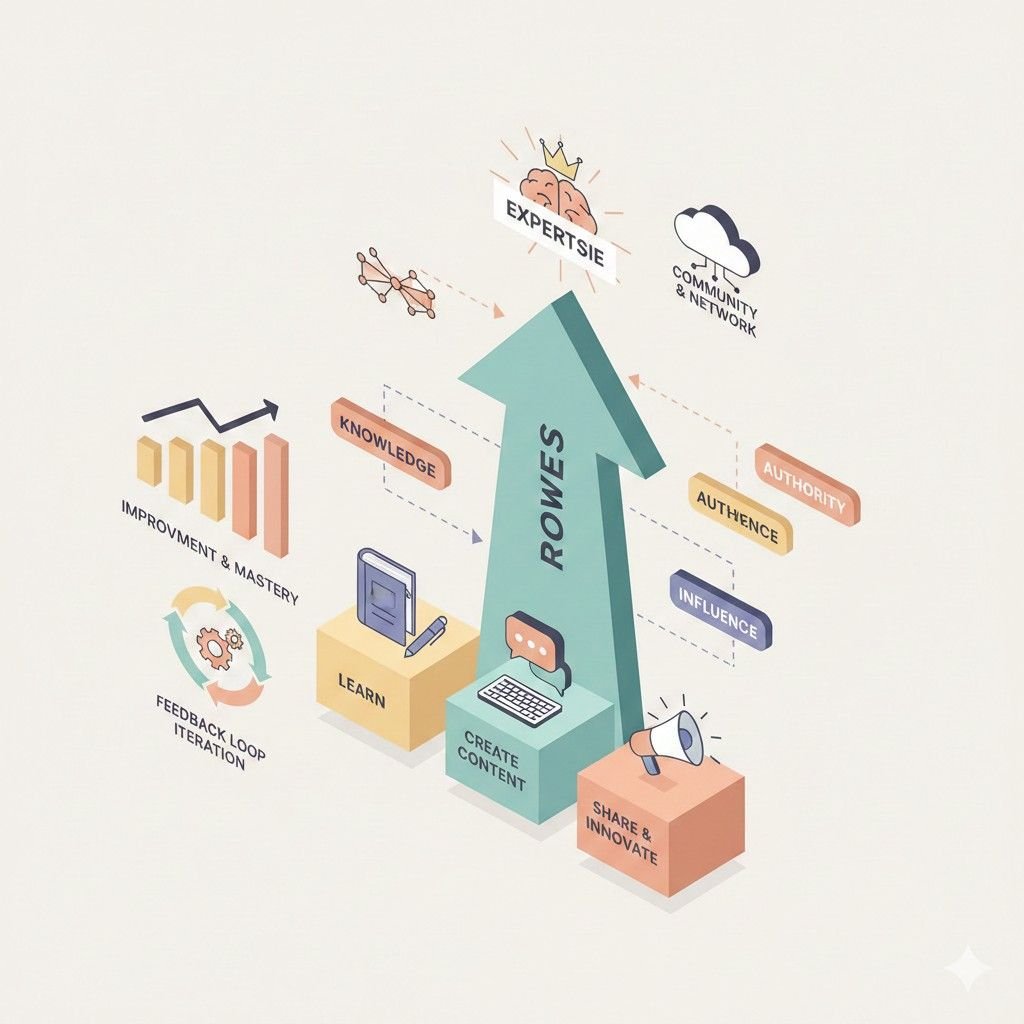
Building Expertise Through Content
Expertise establishes your knowledge depth and qualifications. While experience shows you’ve done something, expertise proves you understand it deeply. Building expertise signals requires demonstrating comprehensive knowledge.
Establishing Subject Matter Expertise
Subject matter expertise develops through focused knowledge building. Becoming an expert requires deep engagement with your topic over time. This expertise then needs to be communicated through your content.
Topical focus strengthens expertise signals. Sites covering narrow topics deeply demonstrate more expertise than sites covering broad topics superficially. A website dedicated entirely to email marketing shows more email marketing expertise than a general marketing site.
Consistent content production within your niche builds expertise perception. Regular publication on related topics shows ongoing engagement. A body of work addressing various aspects of your subject demonstrates comprehensive knowledge.
Depth of coverage matters more than breadth. Thoroughly explaining complex aspects of your topic proves expertise. Addressing advanced questions and edge cases shows knowledge beyond basics. Comprehensive treatment of subtopics demonstrates mastery.
Author Credentials and Qualifications
Author credentials provide immediate expertise signals. Formal qualifications carry weight, especially for YMYL topics. However, credentials alone don’t guarantee expertise, and expertise exists without formal credentials.
For regulated fields, appropriate credentials are essential. Medical content should involve healthcare professionals. Legal content benefits from attorney involvement. Financial advice needs qualified professionals. These fields require formal expertise verification.
For other topics, demonstrated expertise matters more than credentials. A self-taught programmer with successful projects shows expertise. A hobbyist photographer with award-winning images demonstrates skill. Practical accomplishments prove expertise regardless of formal training.
Display credentials prominently when relevant. Author bios should highlight relevant qualifications. Link to verification sources like professional licenses or certifications. Connect authors to their broader professional presence.
Demonstrating Depth of Knowledge
Content itself must demonstrate expertise through its quality. Several elements signal deep knowledge.
Technical accuracy proves genuine understanding. Errors in technical details immediately undermine expertise claims. Accurate explanations of complex concepts show real knowledge. Proper use of terminology demonstrates familiarity with the field.
Comprehensive coverage addresses topics thoroughly. Expertise means knowing what questions to answer. Complete treatment of a subject shows you understand its full scope. Anticipating reader questions demonstrates deep familiarity.
Industry terminology used appropriately signals insider knowledge. Experts know the language of their field. However, terminology should clarify rather than confuse. Explaining jargon when necessary shows expertise combined with communication skill.
Nuanced understanding distinguishes experts from novices. Experts recognize exceptions, limitations, and context-dependent factors. They avoid absolute statements when nuance is appropriate. They acknowledge complexity rather than oversimplifying.
Expert Review and Fact-Checking Processes
Formal review processes strengthen expertise signals. Having qualified experts review content before publication ensures accuracy and adds credibility.
Medical content should undergo review by healthcare professionals. Financial content benefits from review by qualified advisors. Technical content should be verified by subject matter experts. This review process should be documented and disclosed.
Fact-checking procedures demonstrate commitment to accuracy. Verify claims against authoritative sources. Check statistics for currency and context. Confirm quotes and attributions. Document your verification process.
Editorial standards formalize quality expectations. Written guidelines ensure consistent expertise demonstration. Review checklists catch common errors. Quality gates prevent substandard content publication.
Expertise Indicators Google Recognizes
Google’s systems look for specific expertise signals. Understanding these indicators helps you optimize effectively.
Author information connecting to verifiable expertise strengthens assessment. Google can research authors to verify claimed credentials. Consistent author presence across authoritative platforms builds recognizable expertise.
Content accuracy compared to authoritative sources indicates expertise. Google can verify factual claims against trusted references. Consistent accuracy across your content builds expertise perception.
Topical depth relative to competitors signals expertise level. Covering aspects that competitors miss demonstrates superior knowledge. Addressing advanced topics shows expertise beyond basics.
External recognition through citations and references indicates peer-acknowledged expertise. When other experts reference your work, it validates your expertise. Industry awards and recognition provide additional signals.
Establishing Authoritativeness in Your Niche
Authority represents recognition from others in your field. Unlike expertise, which you can demonstrate directly, authority must be earned through external validation. Building authority requires strategic effort over time.
Building Author Authority
Individual authors can develop authority independent of their publishing platforms. Author authority transfers across sites, strengthening any content they create.
Author bio optimization communicates authority effectively. Include relevant credentials, experience, and accomplishments. Link to external validation like publications, awards, or professional profiles. Keep bios updated as authority grows.
Author entity development helps Google recognize and trust authors. Consistent use of author names across platforms builds entity recognition. Author pages on your site should link to external profiles. Schema markup for authors helps Google understand author entities.
Consistent byline strategy reinforces author recognition. Use the same name format across all publications. Maintain consistent author photos and bios. Build a recognizable author brand that carries authority.
Guest posting on authoritative sites builds author recognition. Contributing to respected publications associates your name with established authority. Choose guest posting opportunities strategically for maximum authority transfer.
Building Website Authority
Website authority develops through external signals and internal quality. Both dimensions require attention.
Backlink profile quality significantly impacts authority. Links from authoritative, relevant sites transfer authority. A few high-quality links outweigh many low-quality links. Natural link acquisition through valuable content builds sustainable authority.
Evaluate your backlink profile regularly. Identify your most authoritative referring domains. Seek similar opportunities for additional high-quality links. Disavow toxic links that might harm your authority.
Brand mentions and citations build authority even without links. When authoritative sources mention your brand, it signals recognition. Monitor brand mentions across the web. Seek opportunities for mentions in respected publications.
Industry recognition through awards, certifications, and memberships demonstrates authority. Display relevant recognitions prominently. Pursue legitimate recognition opportunities in your field. Avoid purchased or meaningless awards that might harm credibility.
Content Authority Signals
Content itself can demonstrate authority through specific elements.
Comprehensive resource creation establishes authority. Definitive guides that become reference materials build authority. Content that others cite and link to demonstrates recognized value. Aim to create the best resource on your topics.
Original research and data generate authority through unique value. Studies, surveys, and analyses that others reference build authority. Proprietary data that only you can provide creates citation opportunities.
Expert contributions strengthen content authority. Quotes from recognized experts add authority to your content. Expert interviews provide unique value. Collaborative content with authorities transfers some of their authority.
Authority in Different Industries and Niches
Authority requirements and signals vary by industry. Understanding your specific context helps you build authority effectively.
In academic and scientific fields, peer-reviewed publications carry significant authority. Citations in scholarly work demonstrate recognition. Academic credentials and institutional affiliations matter.
In business and marketing, case studies and results demonstrate authority. Client testimonials and logos show market recognition. Speaking engagements and industry conference participation build visibility.
In creative fields, portfolio quality demonstrates authority. Awards and recognition from peers validate skill. Media coverage and features build public authority.
In local business, community involvement builds authority. Local media coverage demonstrates recognition. Customer reviews and ratings establish local authority.
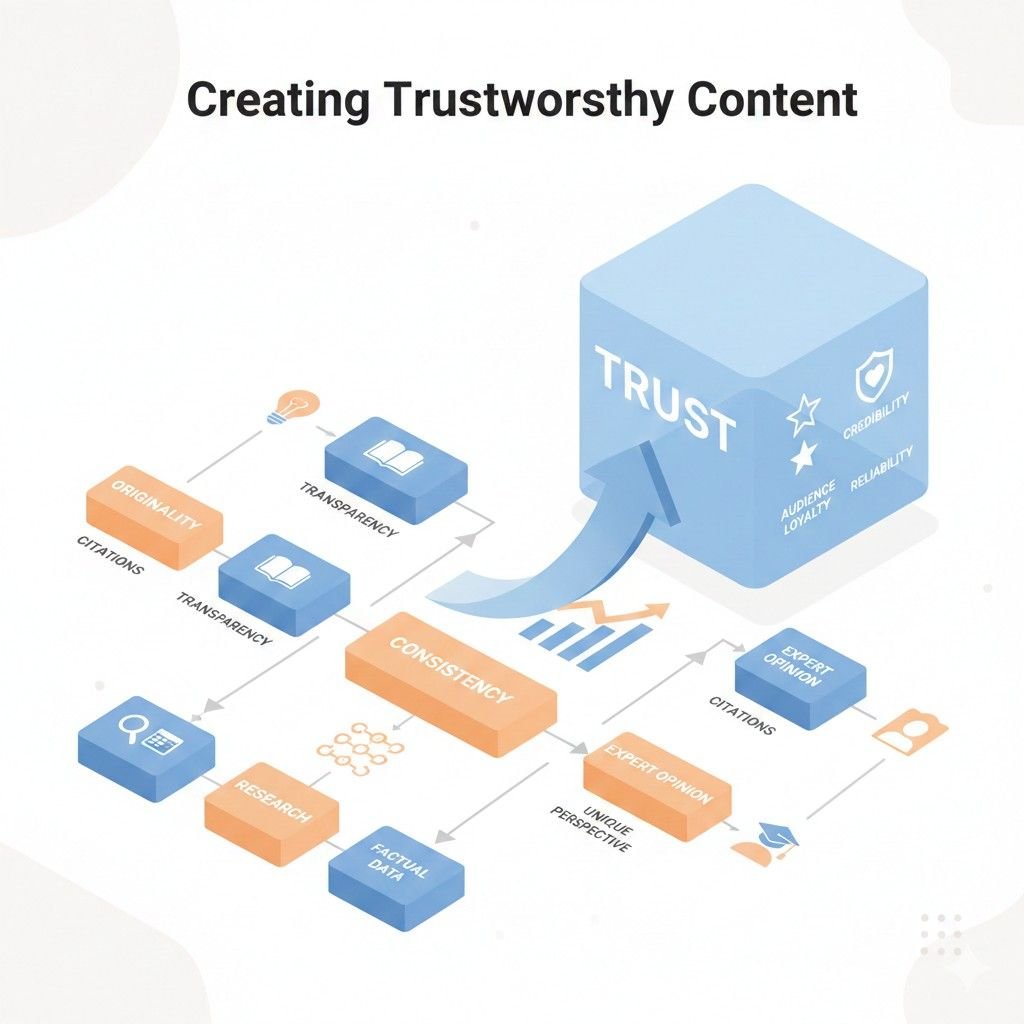
Creating Trustworthy Content
Trust forms the foundation of E-E-A-T. Google explicitly identifies trustworthiness as the most important component. Without trust, experience, expertise, and authority lose their value.
Transparency and Disclosure Requirements
Transparency builds trust through openness. Readers should understand who creates content and why.
Disclose potential conflicts of interest. If you receive compensation for reviews, say so. If you have financial relationships with companies you mention, disclose them. Affiliate relationships require clear disclosure.
Explain your editorial process. How do you select topics? What review processes ensure quality? How do you handle corrections? Transparency about your methods builds trust.
Identify content creators clearly. Anonymous content lacks accountability. Named authors with verifiable identities demonstrate commitment to standing behind their work.
Accurate Citations and Source Attribution
Proper source attribution demonstrates trustworthiness. Readers can verify your claims. Google can assess your information quality.
Cite authoritative sources for factual claims. Link to primary sources when possible. Choose reputable references over questionable ones. Update citations when better sources become available.
Attribute quotes and ideas properly. Credit original creators for their contributions. Avoid presenting others’ work as your own. Proper attribution shows respect for intellectual property.
Verify information before publishing. Check facts against multiple sources. Confirm statistics are current and contextually appropriate. Accuracy protects your trustworthiness.
Website Trust Signals
Technical and structural elements communicate trustworthiness. These signals affect both user perception and algorithmic assessment.
Security through HTTPS is now baseline expectation. Unsecured sites immediately lose trust. Ensure your SSL certificate is properly configured and current.
Contact information demonstrates accountability. Provide multiple contact methods. Include physical address when appropriate. Make it easy for users to reach you.
Privacy policy explains data handling. Clear, comprehensive privacy policies build trust. Explain what data you collect and how you use it. Comply with relevant regulations like GDPR.
Terms of service establish clear expectations. Define the relationship between your site and users. Explain user rights and responsibilities. Professional terms demonstrate legitimate operation.
About page humanizes your organization. Explain who you are and why you exist. Share your mission and values. Include team information when appropriate.
Content Accuracy and Fact-Checking
Accuracy is non-negotiable for trustworthiness. Errors undermine trust immediately and persistently.
Implement fact-checking processes. Verify claims before publication. Use authoritative sources for confirmation. Document your verification procedures.
Correct errors promptly and transparently. When mistakes occur, fix them quickly. Note corrections clearly. Don’t try to hide errors; acknowledge and address them.
Update outdated information. Time-sensitive content requires regular review. Statistics and data need currency verification. Outdated information damages trust.
User Safety and Harmful Content
Trustworthy sites protect users from harm. Content should never endanger readers.
Avoid dangerous misinformation. Health misinformation can cause physical harm. Financial misinformation can cause economic harm. Verify information carefully for sensitive topics.
Protect user data and privacy. Implement appropriate security measures. Don’t collect unnecessary data. Handle user information responsibly.
Consider content impact on vulnerable populations. Some content affects certain groups more significantly. Exercise appropriate care with sensitive topics.
Reputation Management and Trust Recovery
Online reputation affects trust perception. Managing reputation proactively protects trustworthiness.
Monitor your online reputation. Track reviews, mentions, and discussions about your brand. Address negative feedback constructively. Build positive reputation through quality and service.
Recovering from trust damage requires sustained effort. Identify and fix underlying problems. Demonstrate changed behavior over time. Rebuild trust through consistent positive actions.
Respond to criticism professionally. Defensive or aggressive responses worsen trust damage. Acknowledge valid concerns. Explain corrective actions taken.
E-E-A-T Content Writing Best Practices
Implementing E-E-A-T requires specific practices throughout your content creation process. These actionable strategies help you demonstrate all four pillars effectively.
Author Bio and Credentials Optimization
Author bios serve as primary E-E-A-T signals. Optimize them carefully.
Include relevant credentials and experience. Focus on qualifications related to your content topics. Highlight accomplishments that demonstrate expertise. Update bios as credentials grow.
Link to external validation. Connect to LinkedIn profiles, professional certifications, or published work. External links allow verification of claimed credentials. Choose links that strengthen authority.
Use consistent author information across your site. Same photo, same name format, same credential presentation. Consistency builds recognizable author entities.
Add author schema markup. Structured data helps Google understand author information. Connect authors to their broader web presence. Schema strengthens entity recognition.
Content Structure for E-E-A-T
How you structure content affects E-E-A-T perception. Certain structural elements strengthen signals.
Lead with credentials when relevant. For YMYL topics, establish author qualifications early. Readers and algorithms should quickly understand why this author is qualified.
Organize content logically. Clear structure demonstrates expertise through thoughtful presentation. Logical flow shows deep understanding of how topics connect.
Include comprehensive coverage. Address all relevant aspects of your topic. Anticipate and answer likely questions. Thoroughness signals expertise.
Use appropriate formatting. Headers, lists, and visual elements improve comprehension. Well-formatted content demonstrates professionalism and care.
Citation and Reference Best Practices
How you cite sources affects trustworthiness perception. Follow these practices.
Link to authoritative sources. Choose references from recognized authorities. Prefer primary sources over secondary coverage. Select sources that strengthen your credibility.
Use descriptive anchor text. Link text should indicate what readers will find. Avoid generic phrases like “click here.” Descriptive anchors help both users and search engines.
Verify source currency. Check that referenced information is current. Update citations when sources change. Remove links to outdated or unavailable sources.
Balance citation density. Enough citations to support claims without overwhelming content. Every significant factual claim should have support. Avoid citation overload that disrupts reading.
Visual Content and E-E-A-T
Visual elements contribute to E-E-A-T signals. Use them strategically.
Original images demonstrate experience. Photos you’ve taken prove involvement. Screenshots show actual tool usage. Original visuals outperform stock images for experience signals.
Infographics demonstrate expertise. Well-designed information graphics show deep understanding. Original data visualization creates citable assets. Quality infographics attract links and shares.
Video content provides experience proof. Demonstrations show actual capability. Tutorials prove process knowledge. Video is difficult to fake, strengthening authenticity.
Optimize image attributes. Alt text, file names, and captions should be descriptive. Proper image optimization helps search engines understand visual content.
Content Update and Maintenance Strategy
Fresh, accurate content maintains E-E-A-T over time. Implement systematic maintenance.
Audit content regularly. Review existing content for accuracy and currency. Identify outdated information requiring updates. Prioritize high-traffic and YMYL content.
Update time-sensitive information. Statistics, regulations, and best practices change. Keep content current with latest information. Note update dates prominently.
Improve underperforming content. Analyze content that isn’t meeting goals. Strengthen E-E-A-T signals where weak. Add depth, sources, or experience elements.
Remove or consolidate low-quality content. Thin content hurts site-wide E-E-A-T perception. Either improve weak content substantially or remove it. Quality over quantity.
E-E-A-T for Different Content Types
Different content formats require different E-E-A-T approaches. Understanding format-specific requirements helps you optimize effectively.
E-E-A-T for Blog Posts and Articles
Blog content benefits from clear author attribution and topical expertise demonstration.
Establish author credentials in the byline or introduction. Readers should quickly understand why this author is qualified. Link to detailed author pages for more information.
Demonstrate expertise through comprehensive coverage. Address topics thoroughly rather than superficially. Include nuanced insights that show deep understanding.
Show experience through specific examples. Share relevant personal experiences. Include original observations from your direct involvement. Avoid generic advice that could come from anyone.
Build trust through proper sourcing. Cite authoritative references for factual claims. Link to supporting evidence. Maintain accuracy throughout.
E-E-A-T for Product Reviews and Comparisons
Product reviews demand strong experience signals. Google specifically targets review content for E-E-A-T evaluation.
Prove actual product use. Include original photos showing the product. Discuss specific features based on your testing. Mention details only discoverable through actual use.
Compare based on direct experience. If comparing products, use products you’ve actually tested. Explain your testing methodology. Share specific comparative observations.
Disclose relationships transparently. If you received products for free, say so. Disclose affiliate relationships clearly. Transparency protects trustworthiness.
Provide balanced assessment. Mention both positives and negatives. Acknowledge limitations and ideal use cases. Balanced reviews demonstrate genuine experience over promotional content.
E-E-A-T for How-To Guides and Tutorials
Instructional content requires demonstrated expertise and experience with the process.
Show you’ve completed the process. Include photos or videos of your work. Share specific tips from your experience. Mention common mistakes you’ve encountered.
Provide comprehensive instructions. Cover all necessary steps. Anticipate questions and challenges. Include troubleshooting guidance.
Demonstrate expertise through accuracy. Technical instructions must be correct. Test procedures before publishing. Update guides when processes change.
Consider safety and best practices. Include appropriate warnings. Follow industry standards. Protect readers from potential harm.
E-E-A-T for News and Timely Content
News content requires strong trust signals and clear sourcing.
Attribute information to sources. Identify where information comes from. Link to primary sources when possible. Distinguish between confirmed facts and speculation.
Identify authors and their qualifications. News readers should know who’s reporting. Author credentials add credibility. Bylines create accountability.
Maintain accuracy under time pressure. Verify before publishing. Correct errors promptly. Accuracy matters more than speed.
Separate news from opinion. Clearly label opinion content. Don’t mix factual reporting with editorial perspective. Readers should understand what they’re reading.
E-E-A-T for YMYL Topics (Health, Finance, Legal)
YMYL content faces the strictest E-E-A-T requirements. Approach these topics with appropriate care.
Involve qualified professionals. Health content should involve healthcare providers. Financial content needs qualified advisors. Legal content benefits from attorney review.
Display credentials prominently. Readers need immediate assurance of qualification. Link to verification of professional credentials. Make expertise obvious.
Cite authoritative sources extensively. Reference recognized authorities in the field. Link to official guidelines and research. Support claims with credible evidence.
Include appropriate disclaimers. Note that content doesn’t replace professional advice. Encourage readers to consult qualified professionals. Protect readers from potential harm.
Update content regularly. YMYL information changes frequently. Outdated health or financial information can cause harm. Maintain currency rigorously.
Measuring and Auditing E-E-A-T
You can’t improve what you don’t measure. Systematic E-E-A-T evaluation helps identify weaknesses and track improvements.
E-E-A-T Audit Framework
Structured audits reveal E-E-A-T gaps. Follow a systematic process.
Experience audit: Review content for first-hand experience signals. Check for original images, specific details, and personal insights. Identify content lacking experience demonstration.
Expertise audit: Evaluate author credentials and content depth. Assess whether authors are qualified for their topics. Check content for technical accuracy and comprehensive coverage.
Authority audit: Analyze external recognition signals. Review backlink profile quality. Check for brand mentions and citations. Assess industry recognition and awards.
Trust audit: Examine transparency and accuracy. Verify source citations and factual claims. Check for required disclosures. Evaluate website trust signals like contact information and policies.
Document findings systematically. Prioritize issues by impact and difficulty. Create action plans for improvements.
Key Performance Indicators for E-E-A-T
Track metrics that indicate E-E-A-T strength.
Organic traffic trends reflect overall content quality perception. Stable or growing traffic suggests adequate E-E-A-T. Declining traffic may indicate E-E-A-T problems.
Rankings for YMYL keywords indicate E-E-A-T strength in sensitive areas. Difficulty ranking for YMYL terms often signals E-E-A-T weakness.
Backlink acquisition rate reflects authority building. Growing quality backlinks indicate increasing authority. Stagnant link profiles suggest authority plateau.
User engagement metrics indicate content quality perception. Time on page, pages per session, and return visits reflect user trust. Poor engagement may signal E-E-A-T issues.
Core update impact reveals E-E-A-T standing. Positive impact from updates suggests strong E-E-A-T. Negative impact indicates weaknesses requiring attention.
Tools for Evaluating E-E-A-T
Several tools help assess E-E-A-T signals.
Google Search Console reveals how Google perceives your content. Monitor impressions, clicks, and rankings. Track performance changes around algorithm updates.
Backlink analysis tools like Ahrefs or Semrush evaluate authority signals. Analyze referring domain quality. Compare backlink profiles to competitors.
Content audit tools help evaluate content quality at scale. Identify thin content, missing author information, or outdated material. Prioritize improvements systematically.
Brand monitoring tools track mentions and reputation. Monitor how others discuss your brand. Identify reputation issues requiring attention.
Competitive E-E-A-T Analysis
Understanding competitor E-E-A-T helps identify opportunities and benchmarks.
Analyze top-ranking competitors for your target keywords. Evaluate their author credentials and content depth. Assess their backlink profiles and brand authority. Identify E-E-A-T elements you can improve upon.
Look for E-E-A-T gaps in competitor content. Missing experience signals you can provide. Expertise areas where you have advantages. Trust elements competitors neglect.
Benchmark your E-E-A-T against industry leaders. Understand what excellence looks like in your niche. Set realistic improvement targets based on competitive analysis.
Tracking E-E-A-T Improvements Over Time
E-E-A-T building is a long-term process. Track progress systematically.
Establish baseline measurements before making changes. Document current rankings, traffic, and engagement. Note backlink profile status and brand mention frequency.
Track changes after E-E-A-T improvements. Monitor ranking changes for target keywords. Watch traffic trends following updates. Measure engagement metric improvements.
Correlate improvements with specific actions. Identify which changes produced results. Double down on effective strategies. Adjust approaches that aren’t working.
Document learnings for future reference. Build institutional knowledge about what works. Share insights across your team. Refine your E-E-A-T strategy continuously.
Common E-E-A-T Mistakes and How to Fix Them
Many sites undermine their E-E-A-T through avoidable errors. Identifying and fixing these mistakes improves your standing.
Thin or Duplicate Content Issues
Thin content signals lack of expertise. Pages with minimal information suggest superficial knowledge.
The problem: Pages that don’t thoroughly address their topics. Content that adds no value beyond what’s available elsewhere. Multiple pages covering the same topic with slight variations.
The fix: Consolidate thin pages into comprehensive resources. Add depth through additional research, examples, and insights. Remove or noindex pages that can’t be improved. Ensure every page provides unique value.
Missing or Weak Author Information
Anonymous or poorly attributed content lacks accountability. Readers and algorithms can’t assess expertise without author information.
The problem: Content without bylines. Author bios that don’t establish relevant credentials. No connection between authors and their broader professional presence.
The fix: Add clear author attribution to all content. Create detailed author pages with relevant credentials. Link authors to external profiles and publications. Use author schema markup.
Poor Source Attribution
Unsourced claims undermine trustworthiness. Readers can’t verify information without proper citations.
The problem: Factual claims without supporting sources. Links to low-quality or irrelevant references. Broken links to sources that no longer exist.
The fix: Add citations for all significant factual claims. Choose authoritative, relevant sources. Verify links work and sources remain appropriate. Update citations when better sources become available.
Lack of First-Hand Experience
Generic content lacking experience signals fails to differentiate. Research-only content competes poorly against experienced creators.
The problem: Product reviews without evidence of product use. How-to guides from people who haven’t performed the process. Travel content from people who haven’t visited locations.
The fix: Only create content about topics you have direct experience with. Add original photos, specific details, and personal insights. Share observations only possible through direct involvement. If you lack experience, either gain it or don’t create the content.
Inadequate Trust Signals
Missing trust elements raise questions about legitimacy. Users and algorithms look for standard trust indicators.
The problem: No contact information or difficult-to-find contact details. Missing privacy policy or terms of service. No about page explaining who operates the site. Unsecured HTTP connection.
The fix: Add comprehensive contact information including physical address when appropriate. Create clear privacy policy and terms of service. Develop detailed about page. Ensure HTTPS is properly configured.
Inconsistent Content Quality
Variable quality undermines site-wide E-E-A-T perception. Low-quality pages affect perception of all content.
The problem: Mix of high-quality and low-quality content on the same site. Inconsistent author standards across content. Some content well-sourced while other content lacks citations.
The fix: Establish and enforce consistent quality standards. Audit existing content and improve or remove weak pages. Apply the same E-E-A-T requirements to all content. Maintain quality consistency over time.
E-E-A-T and AI-Generated Content
AI content tools have transformed content creation. Understanding how E-E-A-T applies to AI-assisted content helps you use these tools effectively.
Google’s Stance on AI Content and E-E-A-T
Google’s position on AI content has evolved. The current stance focuses on quality rather than creation method.
Google’s helpful content guidelines emphasize that content should be created for people, not search engines. The creation method matters less than the result. AI-generated content that provides genuine value can rank. AI content that lacks value will struggle.
However, AI content faces E-E-A-T challenges by nature. AI cannot have first-hand experience. AI expertise is limited to training data. AI cannot build genuine authority. These limitations require human involvement to address.
The March 2024 update specifically targeted low-quality AI content at scale. Sites publishing large volumes of AI content without proper oversight faced penalties. Quality and human oversight matter more than ever.
Maintaining E-E-A-T with AI Writing Tools
AI tools can support E-E-A-T content creation when used appropriately.
Use AI for research and drafting, not final content. AI can help gather information and create initial drafts. Human experts should review, verify, and enhance AI output. The final content should reflect human expertise and experience.
Add human experience to AI-generated frameworks. AI can structure content, but humans must add personal insights. Include your own examples, observations, and expertise. Transform AI drafts into genuinely experienced content.
Verify all AI-generated claims. AI can produce plausible-sounding misinformation. Fact-check every claim against authoritative sources. Don’t publish AI content without verification.
Human Oversight and Expert Review
Human involvement is essential for E-E-A-T in AI-assisted content.
Expert review ensures accuracy. Subject matter experts should verify AI-generated content. Technical accuracy requires human expertise. Experts catch errors AI systems miss.
Editorial oversight maintains quality standards. Editors should review all content before publication. Consistent quality requires human judgment. Editorial processes protect E-E-A-T.
Author accountability requires human attribution. Someone must stand behind the content. Named authors create accountability. Anonymous AI content lacks trustworthiness.
Balancing Efficiency and Quality
AI tools offer efficiency gains, but quality cannot be sacrificed.
Define appropriate AI use cases. Some content types suit AI assistance better than others. Informational content may benefit from AI drafting. Experience-dependent content requires more human involvement.
Establish quality gates. Don’t publish AI content without review. Set minimum standards for human enhancement. Measure quality outcomes and adjust processes.
Invest efficiency gains in quality improvement. Time saved through AI assistance should enhance final quality. Add more research, better sources, and deeper insights. Use efficiency to create better content, not just more content.
Building a Long-Term E-E-A-T Strategy
E-E-A-T isn’t a one-time optimization. Sustainable search visibility requires ongoing E-E-A-T development. Build systems and processes for continuous improvement.
Developing Author Entities and Personal Brands
Strong author entities strengthen all content they create. Invest in author development.
Identify and develop key authors. Select authors with genuine expertise in your topics. Support their professional development. Help them build recognition in their fields.
Build author presence across the web. Encourage guest posting on authoritative sites. Support speaking engagements and media appearances. Help authors develop their professional profiles.
Connect authors to your content systematically. Consistent bylines build entity recognition. Author pages aggregate their contributions. Schema markup strengthens entity connections.
Content Team Structure for E-E-A-T
Organize your team to support E-E-A-T goals.
Match authors to their expertise areas. Don’t ask authors to write outside their knowledge. Assign content based on genuine qualifications. Build depth in specific topic areas.
Include subject matter experts in content creation. Writers may need expert input for technical accuracy. Expert review processes ensure quality. Consider expert contributors for specialized topics.
Establish editorial roles focused on quality. Editors should verify E-E-A-T elements. Fact-checkers confirm accuracy. Quality assurance processes catch issues before publication.
Editorial Guidelines and Quality Standards
Documented standards ensure consistent E-E-A-T execution.
Create comprehensive editorial guidelines. Define E-E-A-T requirements for all content. Specify citation standards and source requirements. Establish author credential expectations.
Implement quality checklists. Review E-E-A-T elements before publication. Verify author information, sources, and accuracy. Check for experience signals and expertise demonstration.
Train team members on E-E-A-T principles. Ensure everyone understands requirements. Provide examples of strong E-E-A-T execution. Update training as standards evolve.
Link Building for Authority
Strategic link acquisition builds authority over time.
Create link-worthy content. Original research attracts citations. Comprehensive resources earn reference links. Unique insights generate organic links.
Pursue strategic outreach. Identify authoritative sites in your niche. Build relationships with editors and content creators. Pitch genuinely valuable content for links.
Monitor and maintain your link profile. Track new links and their quality. Address toxic links through disavowal. Protect your authority from negative SEO.
Brand Building and Reputation Management
Brand strength contributes to E-E-A-T perception.
Build brand recognition in your niche. Consistent presence builds familiarity. Quality content creates positive associations. Industry involvement increases visibility.
Monitor and manage online reputation. Track brand mentions and reviews. Address negative feedback constructively. Build positive reputation through excellent service.
Pursue brand mentions and citations. Media coverage builds authority. Industry recognition strengthens credibility. Seek legitimate opportunities for brand visibility.
Continuous Improvement and Adaptation
E-E-A-T requirements evolve. Stay current and adapt.
Monitor algorithm updates and their impacts. Track how updates affect your site. Analyze patterns in what Google rewards. Adjust strategy based on observed changes.
Stay current with Google’s guidance. Follow official Google communications. Read Search Quality Rater Guidelines updates. Understand evolving expectations.
Regularly audit and improve E-E-A-T. Schedule periodic comprehensive audits. Address identified weaknesses systematically. Continuously raise your E-E-A-T standards.
E-E-A-T Case Studies and Examples
Real-world examples illustrate E-E-A-T principles in action. These cases demonstrate both successful implementation and recovery from problems.
Successful E-E-A-T Implementation Examples
Several patterns emerge from successful E-E-A-T execution.
Health websites with medical review boards demonstrate YMYL E-E-A-T excellence. Sites like Healthline and WebMD prominently display medical reviewer credentials. Every article shows expert review. Clear editorial processes build trust.
Product review sites with hands-on testing show experience-focused E-E-A-T. Sites like Wirecutter document extensive testing processes. Original photography proves product use. Detailed methodology demonstrates expertise.
Financial advice sites with credentialed authors illustrate expertise-centered E-E-A-T. NerdWallet and Investopedia feature authors with relevant financial credentials. Clear disclosures build trust. Comprehensive coverage demonstrates expertise.
Recovery from E-E-A-T-Related Ranking Drops
Sites can recover from E-E-A-T-related penalties through systematic improvement.
Common recovery patterns include adding author credentials, improving source citations, and enhancing content depth. Sites that identify specific E-E-A-T weaknesses and address them systematically often see recovery within several months.
Recovery timelines vary based on severity and improvement scope. Minor E-E-A-T issues may resolve within one or two algorithm updates. Severe problems require more extensive changes and longer recovery periods.
Key recovery actions include auditing all content for E-E-A-T signals, adding or improving author information, enhancing source citations, removing or improving low-quality content, and building external authority signals.
Industry-Specific E-E-A-T Strategies
Different industries require tailored E-E-A-T approaches.
Healthcare and medical sites need licensed professional involvement, medical review processes, clear disclaimers, and regular content updates as medical knowledge evolves.
Financial services sites require credentialed authors, regulatory compliance, clear disclosures, and accurate, current information.
Legal information sites benefit from attorney involvement, jurisdiction-specific accuracy, clear disclaimers about not constituting legal advice, and regular updates as laws change.
E-commerce and product sites need genuine product experience, honest reviews including negatives, clear affiliate disclosures, and customer service accessibility.
Local businesses build E-E-A-T through community involvement, local media coverage, customer reviews, and clear business information.
Conclusion
E-E-A-T in content writing determines your ability to rank, build audience trust, and drive sustainable organic growth. Experience, Expertise, Authoritativeness, and Trustworthiness work together to signal content quality to both users and search engines.
Implementing E-E-A-T requires systematic attention to author credentials, content depth, source quality, and trust signals. The investment pays dividends through algorithm resilience, user engagement, and competitive differentiation.
We help businesses build comprehensive E-E-A-T strategies that drive lasting search visibility. Contact White Label SEO Service to develop your authority-building content approach and achieve sustainable organic growth.
Frequently Asked Questions About E-E-A-T
Is E-E-A-T a direct ranking factor?
E-E-A-T is not a direct ranking factor in the technical sense. Google doesn’t have an “E-E-A-T score” that directly influences rankings. However, E-E-A-T principles inform the algorithms that determine rankings, making it effectively essential for ranking success.
How long does it take to build E-E-A-T?
Building meaningful E-E-A-T typically takes six to twelve months of consistent effort. Author entity development, backlink acquisition, and reputation building require sustained work. Some elements like adding author bios show faster impact, while authority building takes longer.
Can small websites compete with E-E-A-T?
Small websites can absolutely compete on E-E-A-T. Niche focus allows deeper expertise demonstration. Personal experience provides authentic signals large sites may lack. Small sites often build stronger trust through direct customer relationships.
Do I need to be a recognized expert to rank?
Formal recognition isn’t required for all topics. Everyday expertise from direct experience can suffice for many subjects. However, YMYL topics typically require demonstrable professional credentials. Match your expertise level to your content’s requirements.
How does E-E-A-T affect local businesses?
Local businesses build E-E-A-T through community involvement, local reviews, and clear business information. Local expertise and experience matter. Customer testimonials and local media coverage strengthen local E-E-A-T signals.
What’s the difference between expertise and experience?
Experience means you’ve actually done something. Expertise means you deeply understand it. A chef who has cooked thousands of meals has experience. A food scientist who understands cooking chemistry has expertise. The strongest content combines both.
How do I demonstrate E-E-A-T for AI-assisted content?
AI-assisted content requires human oversight to demonstrate E-E-A-T. Add personal experience and insights to AI drafts. Have subject matter experts review for accuracy. Attribute content to qualified human authors who verify and enhance the material.