

Choosing the right link building package can mean the difference between steady ranking improvements and wasted budget on links that deliver nothing. With options ranging from $200 starter packages to $10,000+ enterprise solutions, understanding what you’re actually paying for matters more than the price tag itself.
Link building remains one of the most influential ranking factors in Google’s algorithm. Yet the market is flooded with providers offering wildly different approaches, quality levels, and pricing structures. Making the wrong choice doesn’t just cost money—it can damage your domain authority and trigger penalties.
This guide breaks down every type of link building package available, compares pricing models, identifies red flags, and helps you match the right solution to your business goals and budget.
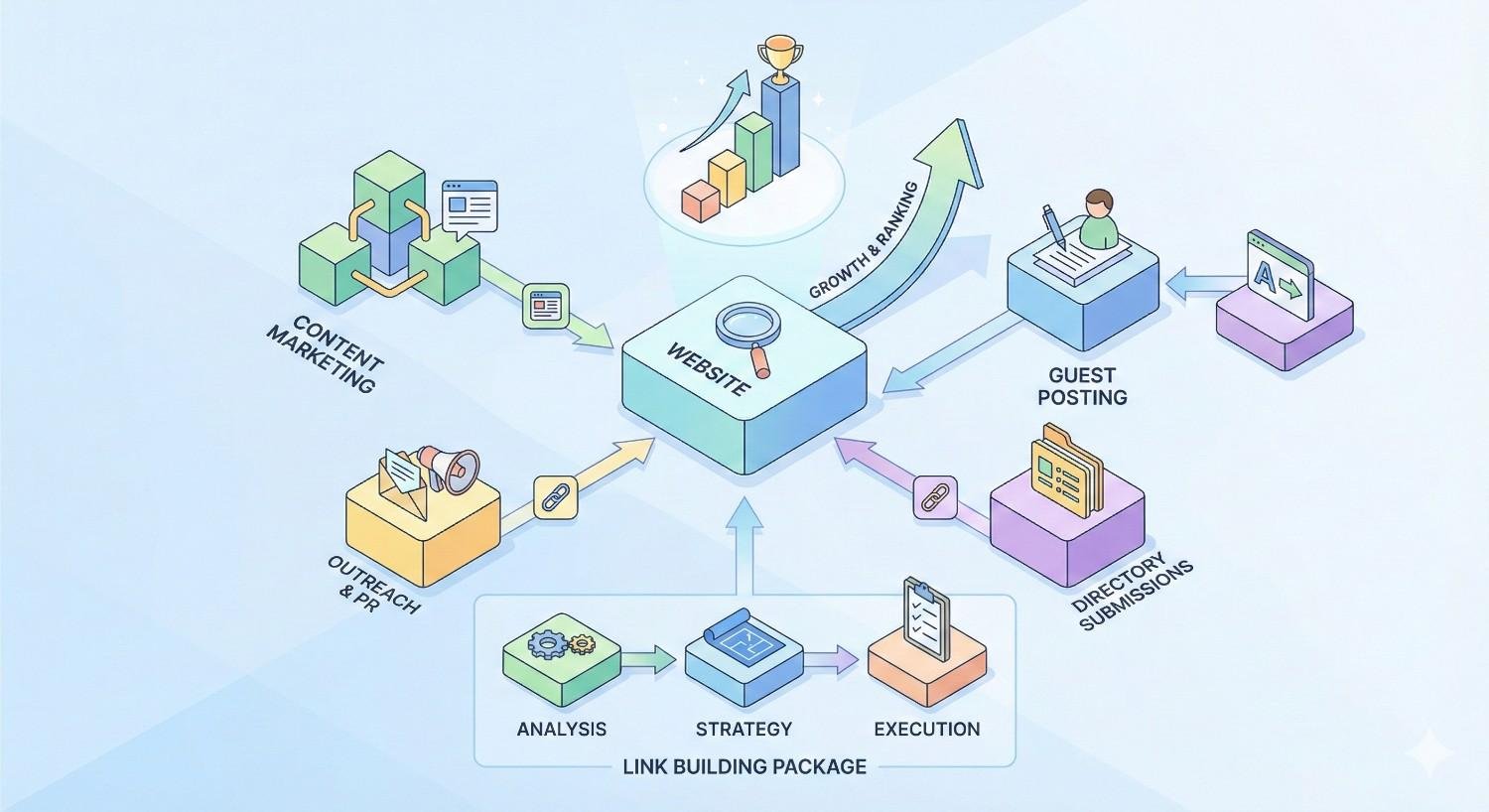
What Are Link Building Packages?
Link building packages are pre-structured service offerings from SEO agencies or providers that deliver a set number of backlinks to your website within a defined timeframe. These packages bundle outreach, content creation, and link placement into a single, predictable investment rather than charging per individual link or hour of work.
The core purpose is straightforward: acquire quality backlinks that signal authority to search engines and improve your organic rankings. However, the execution varies dramatically between providers. Some packages focus purely on volume, while others prioritize relevance, authority metrics, and long-term value.
How Link Building Packages Work
Most link building packages follow a similar workflow. After you purchase a package, the provider conducts initial research on your niche, competitors, and target keywords. They then identify potential link opportunities through various methods—guest posting, resource page outreach, digital PR, or content-based link acquisition.
The provider creates or coordinates content placement on external websites that link back to your domain. Throughout the process, you receive reports showing which links were acquired, the metrics of linking domains, and anchor text distribution.
Delivery timelines typically range from 2-8 weeks depending on package size and link quality targets. Higher-quality links from authoritative domains take longer to secure because they require genuine relationship building and editorial approval.
Types of Link Building Services Included
Standard link building packages typically include several core services bundled together:
Prospecting and outreach involves identifying relevant websites in your niche and contacting site owners or editors. This includes email outreach, relationship management, and negotiation.
Content creation covers guest posts, articles, or other content assets placed on external sites. Quality varies significantly—some providers use in-house writers while others outsource to content mills.
Link placement is the actual acquisition of the backlink, whether through guest posts, resource page additions, niche edits, or other methods.
Reporting and documentation provides transparency into what links were built, where they’re located, and relevant metrics like Domain Authority or Domain Rating.
Some premium packages also include competitor backlink analysis, anchor text strategy, and ongoing link monitoring to ensure placements remain live.
Types of Link Building Packages
Link building packages generally fall into four tiers based on volume, quality, and price point. Understanding these categories helps you identify which level matches your current needs and growth stage.
Starter/Basic Link Building Packages
Starter packages typically deliver 5-15 links per month at price points between $200-$800. These packages target websites with Domain Authority (DA) or Domain Rating (DR) scores in the 20-40 range.
Basic packages work best for new websites building initial authority, local businesses targeting geographic keywords, or companies testing a provider before committing to larger investments. The links acquired are generally legitimate but come from lower-authority sites with modest traffic.
Limitations include slower ranking impact, less competitive keyword targeting capability, and often limited niche relevance. You’re building foundational authority rather than competing for high-difficulty keywords.
Mid-Tier/Growth Link Building Packages
Growth packages deliver 10-30 links monthly, priced between $1,000-$3,500. Target metrics typically include DA/DR 40-60 sites with verified organic traffic.
These packages suit established businesses ready to compete for moderately competitive keywords. The link quality jump from basic to mid-tier is significant—you’re accessing sites with real audiences, editorial standards, and domain histories that search engines trust.
Mid-tier packages often include more sophisticated anchor text strategies, better niche targeting, and dedicated account management. The ROI potential increases substantially because these links can actually move rankings for keywords with commercial value.
Enterprise/Premium Link Building Packages
Enterprise packages start at $5,000 monthly and can exceed $15,000 for comprehensive campaigns. Link targets include DA/DR 60+ sites, often with significant brand recognition and traffic.
Premium packages deliver links from authoritative publications, industry-leading blogs, and high-traffic websites that rarely accept guest content. These placements require genuine relationship building, exceptional content, and often months of outreach per placement.
The value proposition shifts at this level. A single link from a DA 80+ publication can deliver more ranking power than dozens of lower-quality links. Enterprise packages also typically include strategic planning, competitor analysis, and integration with broader SEO campaigns.
Custom Link Building Packages
Custom packages are tailored solutions built around specific business requirements rather than standardized deliverables. Pricing varies based on scope, typically starting at $2,000 monthly.
Custom approaches work best for businesses with unique needs: specific industry verticals requiring specialized outreach, international link building across multiple markets, or campaigns focused on particular link types like resource pages or broken link building.
The advantage is precision targeting. Rather than receiving a generic mix of links, custom packages focus resources on opportunities most likely to impact your specific ranking goals.
Link Building Package Pricing Comparison
Understanding pricing structures helps you evaluate whether a package offers genuine value or simply charges premium prices for mediocre links.
What Affects Link Building Package Costs
Several factors directly influence link building pricing:
Domain authority of target sites is the primary cost driver. Securing a link from a DA 70 site requires significantly more effort than a DA 30 placement. Higher-authority sites have stricter editorial standards, receive more outreach requests, and often charge placement fees.
Content quality requirements affect costs because authoritative sites demand well-researched, professionally written content. Budget providers cut costs by using low-quality content that limits placement opportunities.
Outreach volume and success rates matter because link building is a numbers game. Providers with established relationships and proven outreach processes achieve higher success rates, but building those relationships requires sustained investment.
Niche difficulty varies dramatically. Getting links in competitive verticals like finance, health, or legal requires more specialized expertise and often higher placement costs than less competitive industries.
Average Price Ranges by Package Tier
Current market pricing for legitimate link building services falls into predictable ranges:
Basic packages: $200-$800 monthly for 5-15 links from DA 20-40 sites
Growth packages: $1,000-$3,500 monthly for 10-30 links from DA 40-60 sites
Premium packages: $5,000-$15,000+ monthly for 5-20 links from DA 60+ sites
Custom enterprise: $10,000-$50,000+ monthly for comprehensive campaigns
Prices below these ranges should trigger scrutiny. Legitimate link acquisition has real costs—outreach time, content creation, and often placement fees. Providers offering dramatically lower prices typically cut corners on quality or use risky tactics.
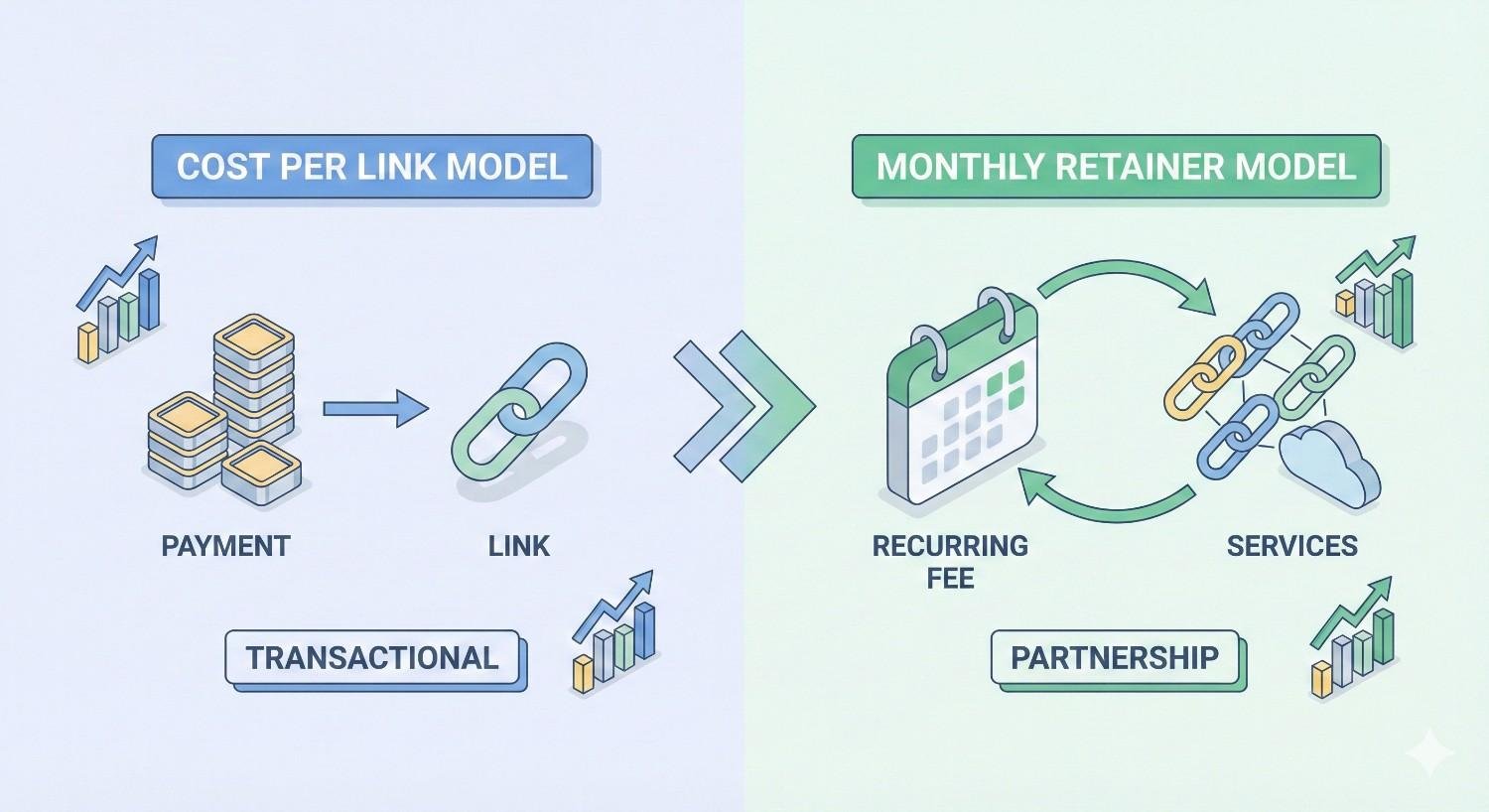
Cost Per Link vs. Monthly Retainer Models
Two primary pricing models dominate the market:
Cost-per-link pricing charges a fixed rate for each link delivered, typically ranging from $50-$500+ depending on target site authority. This model offers predictability and direct cost-to-value correlation. You know exactly what you’re paying for each placement.
Monthly retainer models charge a flat fee for ongoing link building services with target deliverables rather than guaranteed quantities. Retainers typically range from $1,500-$10,000+ monthly depending on scope.
Retainers work better for sustained campaigns where relationship building and strategic planning add value beyond individual link placements. Cost-per-link models suit businesses wanting specific, measurable deliverables without long-term commitments.
What to Look for in a Link Building Package
Evaluating link building packages requires looking beyond headline metrics to understand what you’re actually purchasing.
Link Quality Metrics (DA, DR, Traffic)
Domain Authority (Moz) and Domain Rating (Ahrefs) provide standardized measures of a site’s backlink profile strength. However, these metrics can be manipulated and shouldn’t be your only evaluation criteria.
Organic traffic is often more meaningful than authority scores. A DA 40 site with 50,000 monthly organic visitors provides more value than a DA 60 site with 500 visitors. Traffic indicates Google actually trusts and ranks the site.
Traffic trends matter too. Sites with declining traffic may be losing authority or facing penalties. Look for stable or growing traffic patterns.
Referring domain diversity on the linking site indicates whether its own authority is legitimate or artificially inflated through link schemes.
Link Acquisition Methods Used
Understanding how a provider acquires links reveals both quality and risk levels:
Guest posting involves creating content published on external sites with contextual links back to your domain. Quality varies based on site standards and content requirements.
Niche edits (also called link insertions) place links within existing content on relevant sites. These can be effective but require careful vetting to ensure placements are on legitimate, editorially-controlled pages.
Digital PR earns links through newsworthy content, data studies, or expert commentary. This method produces high-authority links but requires significant content investment.
Resource page link building targets curated lists of helpful resources in your niche. Success depends on having genuinely valuable content worth linking to.
Broken link building identifies dead links on relevant sites and offers your content as a replacement. This method is time-intensive but produces contextually relevant placements.
Reporting and Transparency
Quality providers deliver detailed reporting that includes:
- Full URLs of acquired links (not just domain names)
- Anchor text used for each placement
- Domain metrics at time of placement
- Traffic estimates for linking pages
- Screenshot documentation of live links
- Timeline of when links were acquired
Providers unwilling to share specific link locations or using vague reporting language often have something to hide. Transparency is non-negotiable for evaluating ROI and ensuring links meet quality standards.
Niche Relevance and Contextual Placement
Links from topically relevant sites carry more weight than random placements. A link to your accounting software from a finance blog provides more ranking value than the same link from a general lifestyle site.
Contextual placement means your link appears within relevant content, surrounded by related text. Links buried in author bios, footers, or unrelated paragraphs provide less value than those integrated naturally into topically relevant articles.
Evaluate whether a provider can actually access sites in your specific niche or simply places links wherever they have relationships, regardless of relevance.
Turnaround Time and Delivery Schedule
Realistic delivery timelines vary by package tier:
Basic packages: 2-4 weeks for full delivery Growth packages: 4-6 weeks for full delivery Premium packages: 6-12 weeks for full delivery
Providers promising instant delivery or unrealistically fast turnaround times likely use automated methods, pre-existing link networks, or low-quality placements that don’t require genuine outreach.
Consistent monthly delivery schedules also matter for sustained campaigns. Irregular delivery patterns can indicate capacity issues or inconsistent quality standards.
Link Building Package Comparison Table
| Feature | Basic Package | Growth Package | Premium Package | Custom Package |
| Monthly Price Range | $200-$800 | $1,000-$3,500 | $5,000-$15,000+ | $2,000-$50,000+ |
| Links Per Month | 5-15 | 10-30 | 5-20 | Varies |
| Target DA/DR | 20-40 | 40-60 | 60+ | Custom targets |
| Content Quality | Basic | Professional | Premium/Editorial | Custom |
| Niche Relevance | General | Targeted | Highly targeted | Precision targeted |
| Reporting Depth | Basic metrics | Detailed reports | Comprehensive analytics | Custom dashboards |
| Account Management | Limited | Dedicated contact | Strategic partnership | Full-service team |
| Turnaround Time | 2-4 weeks | 4-6 weeks | 6-12 weeks | Project-based |
| Best For | New sites, testing | Growing businesses | Competitive markets | Specific requirements |
| Risk Level | Low-moderate | Low | Very low | Depends on approach |
Red Flags When Evaluating Link Building Packages
Identifying problematic providers before purchasing saves money and protects your domain from potential penalties.
PBN and Spammy Link Tactics
Private Blog Networks (PBNs) are collections of websites created specifically to sell links. While they can temporarily boost rankings, Google actively identifies and penalizes PBN links.
Warning signs of PBN usage include:
- Unusually low prices for high-DA links
- Links from sites with no real content or audience
- Multiple links from sites with similar design templates
- Placements on sites with no social presence or brand identity
- Links from domains with suspicious registration patterns
Spammy tactics also include automated link building, comment spam, forum profile links, and directory submissions to low-quality sites. These methods provide minimal value and can trigger manual penalties.
Unrealistic Guarantees
No legitimate provider can guarantee specific ranking improvements because rankings depend on countless factors beyond link building alone.
Red flag guarantees include:
- “Guaranteed first page rankings”
- “100% success rate on outreach”
- “Instant ranking improvements”
- “Guaranteed DA/DR increases”
Legitimate providers guarantee deliverables (number of links, quality metrics) rather than outcomes (rankings, traffic). They’re transparent about the fact that link building is one component of a broader SEO strategy.
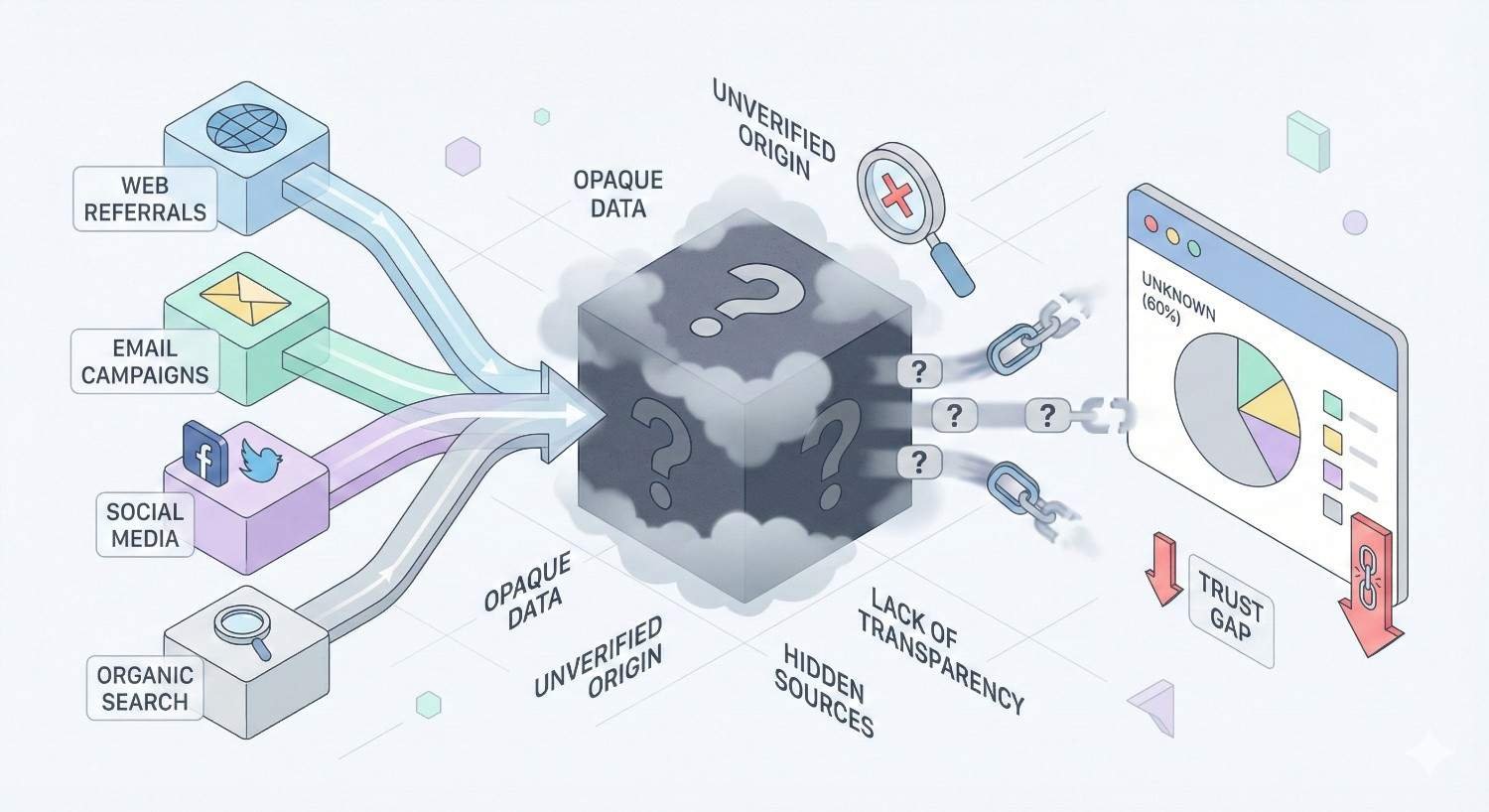
Lack of Transparency in Link Sources
Providers unwilling to disclose where links will come from before purchase often use questionable sources. Legitimate providers can explain their outreach process, show example placements from previous campaigns, and provide detailed reporting after delivery.
Specific transparency concerns include:
- Refusal to share sample link sources
- Vague descriptions of “high-authority sites”
- No examples of previous work
- Reporting that only shows domain names without full URLs
- Unwillingness to explain acquisition methods
If a provider can’t clearly explain how they acquire links, assume they’re using methods they don’t want you to know about.
How to Choose the Right Link Building Package for Your Business
Selecting the appropriate package requires honest assessment of your current situation, goals, and resources.
Matching Packages to Business Goals
Different business objectives require different link building approaches:
New website launch: Start with basic packages to build foundational authority. Focus on quantity of legitimate links rather than premium placements.
Local business growth: Target local and regional publications, industry directories, and community sites. Mid-tier packages with geographic targeting work well.
Competitive keyword targeting: Premium packages become necessary when competing for high-value keywords. The authority gap between you and competitors determines required investment.
Brand building: Digital PR and premium placements on recognized publications support brand awareness alongside SEO benefits.
E-commerce scaling: Product-focused link building through reviews, comparisons, and resource guides requires specialized approaches often found in custom packages.
Budget Considerations and ROI Expectations
Link building ROI depends on your starting position, competition level, and keyword values.
Calculate potential value by estimating traffic gains from ranking improvements and applying your conversion rates. If ranking for a target keyword could generate $10,000 monthly in revenue, investing $3,000 monthly in link building may deliver strong returns.
Consider opportunity cost of not building links. Competitors actively acquiring backlinks will continue outranking you, making future catch-up more expensive.
Start conservatively if budget is limited. A smaller investment in quality links outperforms larger spending on low-quality placements. You can always scale up once you verify a provider delivers results.
Scaling Link Building Over Time
Effective link building strategies evolve as your domain authority grows:
Phase 1 (Months 1-6): Build foundational authority with consistent, moderate-quality link acquisition. Focus on relevance and diversity over pure authority metrics.
Phase 2 (Months 6-12): Increase investment as initial links take effect. Target higher-authority placements as your domain becomes more attractive to quality sites.
Phase 3 (Year 2+): Shift toward premium placements and digital PR. Your established authority makes high-value link acquisition more achievable and cost-effective.
Avoid dramatic scaling too quickly. Sudden spikes in backlink acquisition can appear unnatural to search engines. Steady, consistent growth patterns look more organic.
How long does it take to see results from link building?
Most websites begin seeing measurable ranking improvements 3-6 months after consistent link building begins. High-authority links can impact rankings faster, sometimes within 4-8 weeks. However, competitive keywords in established markets may require 6-12 months of sustained effort before significant movement occurs.
Is link building still effective for SEO?
Link building remains one of the most influential ranking factors in Google’s algorithm. Backlinko’s analysis of ranking factors consistently shows strong correlation between backlink profiles and search positions. The key difference from earlier years is that quality now matters far more than quantity—a few authoritative, relevant links outperform hundreds of low-quality placements.
Link Building Packages vs. DIY Link Building
Understanding the trade-offs between outsourcing and in-house link building helps you allocate resources effectively.
Time and Resource Investment Comparison
DIY link building requires substantial time investment across multiple activities:
Prospecting: 5-10 hours weekly identifying potential link opportunities Outreach: 10-15 hours weekly writing and sending personalized emails Content creation: 5-20 hours per guest post depending on quality requirements Relationship management: Ongoing time maintaining publisher relationships Tracking and reporting: 2-5 hours weekly monitoring results
For a campaign targeting 10 quality links monthly, expect 40-60 hours of work—essentially a full-time position. At average marketing salaries, this represents $3,000-$5,000 monthly in labor costs before considering tools, training, and management overhead.
Professional packages often deliver comparable results at similar or lower total cost while freeing internal resources for other priorities.
When to Outsource vs. Build In-House
Outsource when:
- You lack dedicated SEO staff with link building experience
- Your team’s time is better spent on core business activities
- You need to scale quickly without hiring
- You want access to established publisher relationships
- Budget allows for quality provider investment
Build in-house when:
- You have existing content marketing resources
- Your industry requires deep specialized knowledge for outreach
- You’re building long-term publisher relationships for ongoing content partnerships
- Budget constraints make quality outsourcing impossible
- You want complete control over messaging and placements
Many businesses use hybrid approaches—outsourcing volume link building while handling strategic, high-value placements internally.
How Link Building Packages Fit Into a Complete SEO Strategy
Link building delivers maximum impact when integrated with other SEO disciplines rather than operating in isolation.
Combining Link Building with Technical SEO
Technical SEO ensures search engines can properly crawl, index, and understand your content. Without solid technical foundations, even excellent backlinks underperform.
Site speed affects how search engines evaluate your pages. Links pointing to slow-loading pages provide diminished value.
Crawlability determines whether search engines can access and index linked pages. Blocked or orphaned pages waste link equity.
Internal linking distributes authority from external backlinks throughout your site. Strategic internal link architecture amplifies the impact of every acquired backlink.
Mobile optimization is essential since Google uses mobile-first indexing. Links to pages with poor mobile experiences may not deliver expected ranking benefits.
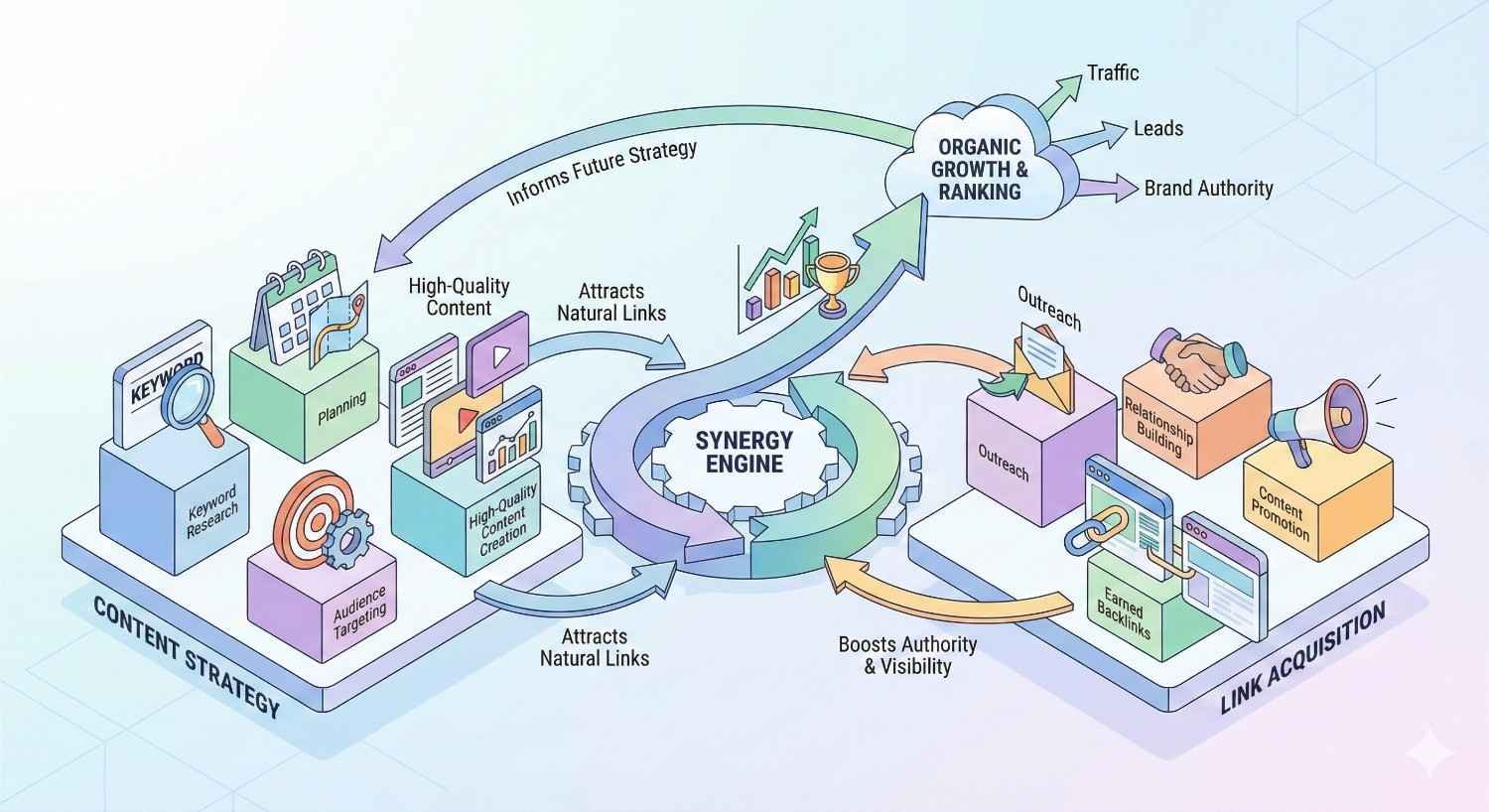
Content Strategy and Link Acquisition Synergy
Quality content makes link building dramatically more effective. Publishers want to link to genuinely valuable resources, not thin commercial pages.
Linkable assets like comprehensive guides, original research, tools, and data visualizations attract natural links and make outreach more successful.
Content gaps in your market represent link building opportunities. Creating the definitive resource on underserved topics attracts links from sites currently linking to inferior alternatives.
Content updates keep existing pages link-worthy. Outdated content loses links over time as publishers find fresher alternatives.
Measuring Link Building Impact on Rankings
Tracking link building ROI requires monitoring multiple metrics:
Referring domain growth shows your backlink profile expanding over time. Track both total referring domains and quality distribution.
Keyword ranking changes for target terms indicate whether links are impacting search visibility. Allow 3-6 months before expecting significant movement.
Organic traffic growth to linked pages demonstrates real-world impact beyond rankings alone.
Domain authority trends provide a standardized measure of overall backlink profile strength, though these metrics lag behind actual Google evaluations.
Revenue attribution connects SEO improvements to business outcomes. Track conversions from organic traffic to calculate true ROI.
Frequently Asked Questions About Link Building Packages
How many links do I need per month?
The right number depends on your competitive landscape and current authority level. New sites in low-competition niches may see results from 5-10 quality links monthly. Established sites targeting competitive keywords often need 20-50+ monthly links to move rankings. Focus on quality thresholds rather than arbitrary quantity targets.
Are cheap link building packages worth it?
Packages priced significantly below market rates almost always cut corners on quality. Links from low-authority, irrelevant, or spammy sites provide minimal ranking benefit and can trigger penalties. A smaller number of quality links consistently outperforms large volumes of cheap placements. Budget constraints are better addressed by starting with fewer quality links rather than more low-quality ones.
What is the difference between white-hat and black-hat link building?
White-hat link building follows search engine guidelines by earning links through quality content, genuine outreach, and editorial merit. Black-hat tactics manipulate rankings through purchased links, PBNs, link schemes, and automated methods. White-hat approaches build sustainable authority while black-hat methods risk penalties and long-term damage to your domain.
How do I measure link building ROI?
Calculate ROI by tracking organic traffic growth, keyword ranking improvements, and resulting conversions or revenue. Compare the value of increased organic visibility against link building costs. For example, if $2,000 monthly in link building generates $8,000 in additional organic revenue, your ROI is 300%. Allow 6-12 months for accurate measurement since link building impact compounds over time.
Can link building hurt my website?
Low-quality link building can absolutely damage your site. Google’s algorithms identify unnatural link patterns and may apply manual or algorithmic penalties. Signs of harmful links include sudden ranking drops, manual action notifications in Search Console, or traffic declines following link acquisition. Quality providers using white-hat methods pose minimal risk.
How do I know if a link building provider is legitimate?
Legitimate providers offer transparency about their methods, share examples of previous work, provide detailed reporting with full link URLs, and set realistic expectations about timelines and results. They can explain their outreach process, show sample placements, and don’t guarantee specific rankings. Request references and case studies before committing.
Should I buy links directly or use a link building service?
Buying links directly from websites violates Google’s guidelines and carries penalty risk. Link building services that earn placements through content value and outreach operate within guidelines. The distinction matters: paying for content placement on editorial sites differs from purchasing links on sites that exist solely to sell them.
Conclusion: Finding the Best Link Building Package for Sustainable Growth
Selecting the right link building package requires balancing quality, budget, and business objectives. Basic packages build foundational authority for new sites, growth packages support competitive keyword targeting, and premium packages deliver the high-authority placements needed for difficult markets.
The most important factors remain consistent across all tiers: transparency in methods and reporting, genuine editorial placements on relevant sites, and realistic expectations about timelines and results. Avoiding red flags like PBN usage, unrealistic guarantees, and opaque sourcing protects your domain while building sustainable authority.
We help businesses at every stage build effective link acquisition strategies that integrate with comprehensive SEO campaigns. Whether you’re launching a new site or scaling an established brand, White Label SEO Service delivers the transparent, quality-focused link building that drives long-term organic growth. Contact our team to discuss which approach fits your specific goals and competitive landscape.
Frequently Asked Questions
What makes one link building package better than another?
Quality differences come down to the authority and relevance of linking sites, the editorial standards of content placement, and the transparency of reporting. Better packages deliver links from sites with real traffic, genuine audiences, and topical relevance to your business rather than generic placements on low-quality domains.
How quickly can I expect to see ranking improvements from link building?
Initial ranking movement typically appears within 3-6 months of consistent link acquisition. High-authority links may show faster impact, while competitive keywords require longer sustained effort. Expect compounding results over time as your domain authority grows and accumulated links take full effect.
Is it safe to use link building services?
Reputable providers using white-hat methods pose minimal risk. The key is verifying that a provider earns links through legitimate outreach and quality content rather than purchasing placements on link farms or PBNs. Request detailed reporting and examples of previous work before committing.
How do I evaluate if a link building package is overpriced?
Compare pricing against market benchmarks for the promised quality tier. Basic packages (DA 20-40) typically cost $200-$800 monthly, growth packages (DA 40-60) run $1,000-$3,500, and premium packages (DA 60+) start at $5,000. Prices significantly above these ranges should include clear justification through superior quality or additional services.
Can I combine multiple link building packages from different providers?
Yes, but coordination matters. Using multiple providers without strategy can result in duplicate outreach, inconsistent anchor text distribution, or conflicting approaches. If using multiple sources, ensure clear communication about target sites, anchor text plans, and overall campaign goals.
What happens if links from a package get removed?
Quality providers typically offer replacement guarantees for links removed within a specified period, often 6-12 months. Clarify replacement policies before purchasing. Some link loss is normal over time as websites update content or go offline, but excessive removal rates indicate quality issues.
How do link building packages handle anchor text optimization?
Professional packages include anchor text strategy as part of their service. They distribute anchors across branded terms, naked URLs, generic phrases, and keyword variations to maintain natural-looking profiles. Providers that over-optimize with exact-match anchors create penalty risk. Ask about anchor text approach before purchasing.